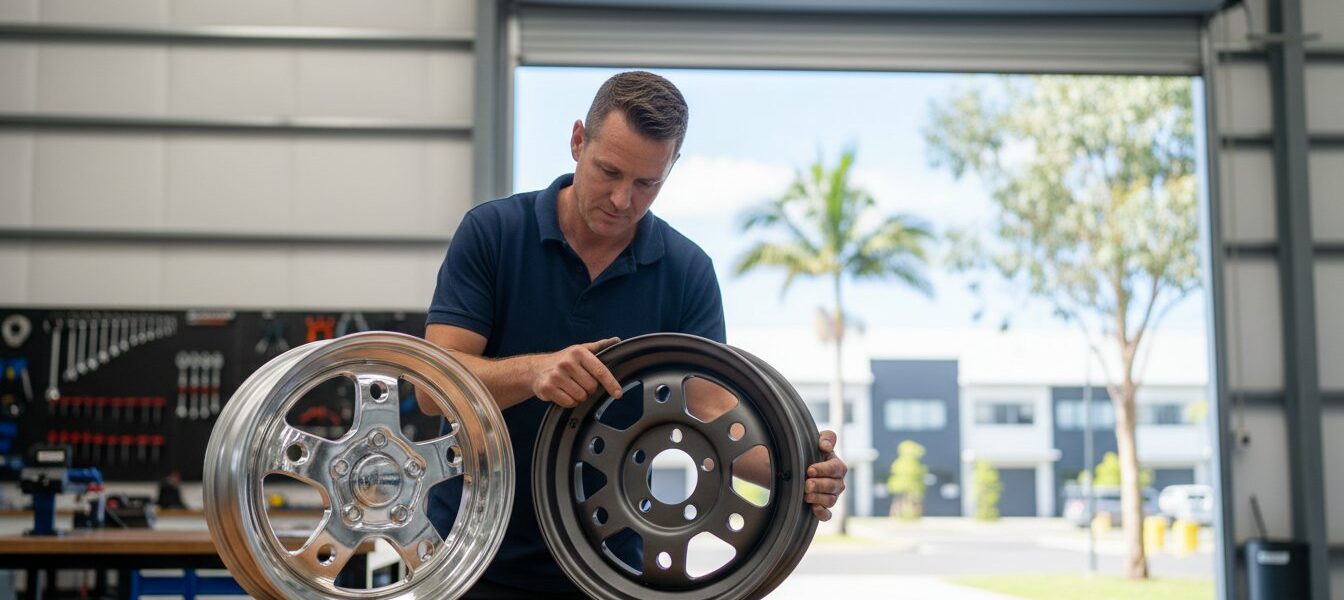
What if choosing between 5 stud vs 6 stud trailer wheels could save you from costly mistakes? Many trailer owners grapple with this decision, unsure about compatibility and performance. You’re not alone if you’re confused about which option is best for your needs. This article will help clarify the differences between 5 and 6 stud trailer wheels, allowing you to make an informed choice that ensures durability and cost-effectiveness. We’ll break down the key aspects you need to consider, including compatibility with your trailer and the potential impact on your towing experience. By the end, you’ll have the knowledge to select the right wheels for your specific requirements, ensuring your setup is both reliable and efficient.
Key Takeaways
- Understand the fundamental differences between 5 stud and 6 stud trailer wheels to ensure compatibility with your trailer.
- Evaluate the pros and cons of each stud pattern, focusing on strength, load capacity, and availability of parts.
- Learn how to assess your trailer’s weight and usage needs to choose the right wheel stud pattern for your specific requirements.
- Gain practical installation and maintenance tips to extend the life of your trailer wheels and improve performance.
- Discover why Superior Trailer Parts is your go-to source for reliable 5 stud vs 6 stud trailer wheels, offering quality and competitive pricing.
Understanding Wheel Stud Patterns: 5 Stud vs 6 Stud
When selecting trailer wheels, understanding the wheel stud pattern is crucial. The stud pattern refers to the arrangement of bolt holes on the wheel hub, which directly influences wheel compatibility with your trailer. A proper fit is essential for safety and performance, especially when hauling heavy loads.
What is a Stud Pattern?
The stud pattern is defined by the number of bolt holes and their spacing, commonly referred to as the Pitch Circle Diameter (PCD). The PCD is a measurement that indicates the diameter of an imaginary circle formed by the centers of the bolt holes. This measurement is vital as it determines which wheels can be mounted onto your trailer.
For trailers, typical PCD sizes include:
- 5 stud patterns: Commonly have a PCD of 114.3 mm or 120 mm.
- 6 stud patterns: Often feature a PCD of 130 mm or 135 mm.
Common Uses for 5 and 6 Stud Patterns
5 stud vs 6 stud trailer wheels vary significantly in their applications. The 5 stud pattern is prevalent in lighter trailers, such as:
- Utility trailers
- Single axle box trailers
- Small boat trailers
These trailers typically require a load capacity of up to 1,500 kg.
In contrast, the 6 stud pattern is suited for heavier-duty applications. Common uses include:
- Tandem axle trailers
- Car trailers
- Heavy-duty plant trailers
Trailers with a 6 stud pattern can support loads exceeding 2,500 kg, making them ideal for more demanding tasks.
It’s important to adhere to industry standards and compliance requirements when selecting trailer wheels. Regulations may vary by state in Australia, but ensuring proper fitment and adherence to load ratings is universally crucial for safe operation. Always consult with an expert if you’re unsure which configuration is best for your needs.
5 Stud vs 6 Stud: Pros and Cons
Choosing between 5 stud vs 6 stud trailer wheels involves evaluating various factors, including strength, availability, ease of installation, and performance on different terrains. Each option has its own set of advantages and disadvantages that can affect your decision based on your specific needs.
Advantages of 5 Stud Wheels
5 stud wheels are generally lighter and can be easier to install. This lightweight design contributes to improved fuel efficiency, making them a cost-effective choice for many smaller trailers. Availability is another strong point; you’ll find a wide range of 5 stud wheels and parts readily accessible across Australia.
- Optimal Uses: Ideal for light to medium-duty applications, such as small box trailers or single-axle setups.
- Limitations: Not suitable for very heavy loads or harsh off-road conditions.
Advantages of 6 Stud Wheels
6 stud wheels offer a higher load capacity and enhanced durability. This makes them the preferred choice for heavy-duty trailers requiring robust performance. If you’re frequently hauling heavy loads or navigating rugged terrains, the stability and strength of 6 stud wheels will serve you better.
- Performance: Better suited for heavy-duty use, such as transporting construction equipment or larger boats.
- Cost Trade-offs: While 6 stud wheels may come at a slightly higher price point, their long-term durability and reliability often justify the investment.
In summary, the decision between 5 stud vs 6 stud trailer wheels should be based on the intended use of your trailer. For lighter loads and easier installation, 5 stud wheels are a practical choice. For demanding applications requiring high strength and stability, 6 stud wheels are the better option. Assess your needs carefully to make the right choice.
For expert advice on selecting the right wheels for your trailer, explore our resources.
How to Choose the Right Wheel Stud Pattern for Your Trailer
Selecting between 5 stud vs 6 stud trailer wheels requires careful consideration of several factors. Each type has its strengths, and understanding your specific needs is critical to making the right choice. Here’s how to assess your requirements effectively.
Evaluating Weight and Load
The first step in choosing the right wheel stud pattern is to evaluate your trailer’s weight and load capacity. Start by calculating the total weight your trailer will carry, including cargo, equipment, and the trailer itself. This total weight will guide you in determining the appropriate wheel setup.
- Axle Compatibility: Check the axle rating, which indicates the maximum load it can safely support. A 6 stud pattern generally provides a higher load capacity, making it suitable for heavier trailers.
- Load Ratings: Consult manufacturer specifications for both 5 stud and 6 stud wheels to understand their load ratings. Most heavy-duty trailers benefit from the additional strength that 6 stud wheels offer.
For more detailed information on axle types, visit our axles section.
Assessing Terrain and Usage
Your trailer’s operating environment also influences the wheel stud choice. If you frequently navigate rough terrains, such as unsealed roads or construction sites, a 6 stud wheel pattern is often more reliable due to its enhanced strength and stability.
- Typical Environments: Consider where you primarily use your trailer. Off-road applications or heavy-duty use may require the durability of 6 stud wheels.
- Terrain Impact: Smooth, paved roads can often handle lighter 5 stud configurations, while rough conditions necessitate the added robustness of 6 stud wheels.
For information on suitable trailer parts for various terrains, check out our trailer parts page.
Lastly, assess the compatibility of your chosen wheel pattern with existing hubs and axles. Ensure that future maintenance and part availability align with your selection. A more common pattern like 5 stud may offer better long-term accessibility for replacements and repairs.
By taking these factors into account, you can make an informed decision on whether 5 stud vs 6 stud trailer wheels best meet your needs.
Installation and Maintenance Tips for Trailer Wheels
Installing and maintaining trailer wheels properly is crucial for ensuring safety and longevity. Whether you opt for 5 stud vs 6 stud trailer wheels, proper installation and ongoing maintenance can significantly extend their lifespan and enhance performance.
Step-by-Step Installation Guide
Before you begin, gather the necessary tools and safety equipment. You will need:
- Jack and jack stands
- Socket set
- Torque wrench
- Safety goggles and gloves
Here’s a straightforward installation process:
- Ensure the trailer is on a flat surface. Engage the parking brake.
- Loosen the wheel nuts slightly before lifting the trailer with the jack.
- Lift the trailer until the wheel is off the ground and secure it with jack stands.
- Remove the wheel nuts and take off the wheel.
- Align the new wheel with the hub, ensuring the stud pattern matches (5 stud vs 6 stud trailer wheels).
- Hand-tighten the wheel nuts in a crisscross pattern.
- Lower the trailer and torque the nuts to the manufacturer’s specifications.
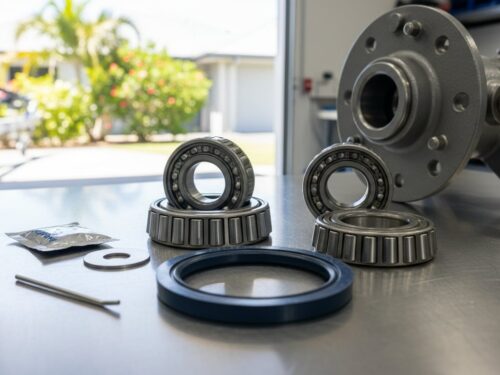
For detailed wheel bearing installation, refer to our wheel bearing service guide.
Maintenance Best Practices
Regular maintenance is key to prolonging the life of your trailer wheels. Here are essential practices:
- Conduct regular inspections for wear and tear, especially on the tires and wheel bearings.
- Clean the wheels with mild soap and water, avoiding harsh chemicals that can damage finishes.
- Apply a protective coat, particularly if you operate in coastal areas where salt can cause corrosion.
For further maintenance tips, check our maintenance resources.
Troubleshooting Common Issues with Stud Patterns
If you notice vibrations or unusual noises while towing, it may indicate issues with your wheel studs. Ensure the correct stud pattern is used for your trailer wheels. Misalignment can lead to early wear or even accidents. If you are unsure, consult the specifications for your trailer.
Safety Checks to Perform Regularly
Regular safety checks are vital. Inspect:
- Wheel nuts for proper torque
- Brake components for wear
- Tire pressure and tread condition
By adhering to these installation and maintenance tips, you can ensure your trailer wheels—whether 5 stud or 6 stud—perform reliably. For expert advice and quality parts, contact us today.
Why Choose Superior Trailer Parts for Your Wheel Needs
When it comes to selecting the right wheels for your trailer, the choice between 5 stud vs 6 stud trailer wheels can have a significant impact on performance and safety. At Superior Trailer Parts, we offer a comprehensive range of wheels designed to meet various needs, ensuring you find the perfect fit for your trailer.
Product Range and Quality
Our extensive selection includes both 5 stud and 6 stud trailer wheels, tailoring to different load capacities and specifications. Each wheel is constructed from high-quality materials, such as galvanised steel and marine-grade components, ensuring durability in harsh Australian conditions. We adhere to strict construction standards, offering products that withstand the rigours of heavy use.
We stand behind our products with warranties that reflect our commitment to quality. You can trust that our wheels are made to last, backed by guarantees that ensure you get value for your investment.
Customer Support and Expertise
At Superior Trailer Parts, customer service is our top priority. Our team is ready to provide expert advice tailored to your specific requirements. Whether you need help deciding between 5 stud vs 6 stud trailer wheels or assistance with installation, our knowledgeable staff is here to guide you.
Ordering is straightforward, with options for rapid delivery across Australia. As an Australian Owned business, we take pride in offering local support and accountability. You can count on us to be there whenever you need assistance.
Explore our wheel options today and let us help you find the right solution for your trailer needs.
Make the Right Choice for Your Trailer
Choosing between 5 stud vs 6 stud trailer wheels can significantly impact your trailer’s performance. Remember that 5-stud wheels offer lighter weight and easier handling, while 6-stud wheels provide superior strength and stability. Assess your trailer’s needs and usage to determine the best fit for your requirements.
When it comes to installation and maintenance, understanding your wheel stud pattern is crucial for safety and durability. Always opt for quality parts that can withstand tough Australian conditions.
For a wide range of durable options and expert advice tailored to your needs, explore our wheel options and get expert advice. Trust Superior Trailer Parts, an Australian-owned specialist, to provide the reliable solutions you need to keep your trailer performing at its best. Equip yourself with the right information and make a confident choice today.
Frequently Asked Questions
What is the main difference between 5 stud and 6 stud trailer wheels?
The main difference between 5 stud and 6 stud trailer wheels is the number of securing points on the wheel. A 5 stud wheel has five bolt holes, while a 6 stud wheel has six. This difference affects the load capacity and stability of the trailer, with 6 stud wheels typically providing a more robust fit for heavier loads or larger trailers.
Are 6 stud wheels stronger than 5 stud wheels?
Yes, 6 stud wheels are generally stronger than 5 stud wheels. The additional stud offers better weight distribution and increased stability, making them suitable for heavier trailers or those that carry more significant loads. This added strength can be crucial for preventing wheel failure during operation.
How do I know which stud pattern is right for my trailer?
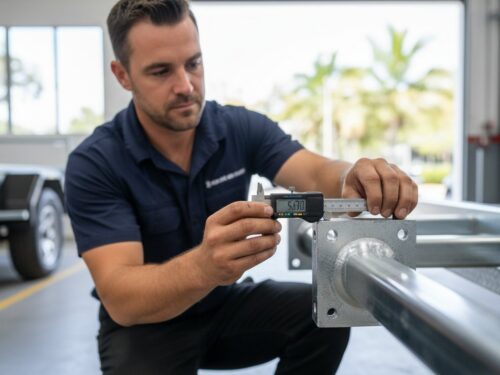
To determine the correct stud pattern for your trailer, check the existing wheel for its stud arrangement. You can measure the distance between the centres of two studs directly across from each other. Common patterns include 5×114.3 and 6×139.7. Always consult your trailer’s specifications or a professional if unsure.
Can I switch from 5 stud to 6 stud wheels on my existing trailer?
Switching from 5 stud to 6 stud wheels is possible but requires modifications. You’ll need to ensure that your trailer’s axle can accommodate the 6 stud pattern and that the new wheels fit properly. It’s advisable to consult with a trailer specialist or mechanic before making this change to ensure safety and compatibility.
What are the benefits of choosing Superior Trailer Parts for my wheel needs?
Choosing Superior Trailer Parts ensures you receive high-quality, reliable components tailored to your needs. Our products are Australian owned, and we offer competitive pricing without sacrificing durability. You’ll also benefit from expert advice and local support, ensuring that you make informed decisions for your trailer’s performance.
How often should I check my trailer wheels for maintenance?
You should check your trailer wheels at least once a month for maintenance. Inspect for signs of wear, ensure bolts are tight, and check for any damage. If you frequently travel long distances or carry heavy loads, consider checking them before and after each trip to prevent issues on the road.