A single seized bearing or a corroded shackle bolt can turn a routine haul into a costly roadside emergency in seconds. You understand that the harsh Australian sun and salt-water exposure demand more from your equipment than standard off-the-shelf components can provide. When it comes to trailer repair, guesswork leads to failure. It’s frustrating to deal with parts that don’t fit or fail to meet Australian Design Rules (ADR) after just one season of use. You need gear that’s built for local conditions and heavy-duty performance.
Maintaining safety on the road starts with knowing exactly what to look for. We’ll show you how to identify common failure points before they become dangerous and how to source high-quality, galvanised parts that actually last. This article covers the diagnostic signs of wear and the critical safety components you must monitor. You’ll gain the confidence to select ADR-compliant hardware that keeps your trailer road-legal and reliable across every kilometre. We’ll ensure your repairs meet the 100% compliance standards required for Australian roads and heavy-duty transport.
Key Takeaways
- Identify critical wear points like axle fatigue and cracked leaf springs to prevent dangerous mechanical failures on the road.
- Apply the “50% Rule” to determine when a trailer repair is cost-effective or when a full component replacement is necessary for safety.
- Understand the importance of ADR-compliant parts to ensure your trailer meets Australian safety standards and withstands harsh towing conditions.
- Learn how coastal environments accelerate corrosion and why heavy-duty, galvanised components are essential for long-term durability.
- Discover how to source reliable, professional-grade parts for box, boat, and tipper trailers to ensure your equipment remains road-ready.
Understanding the Importance of Regular Trailer Maintenance
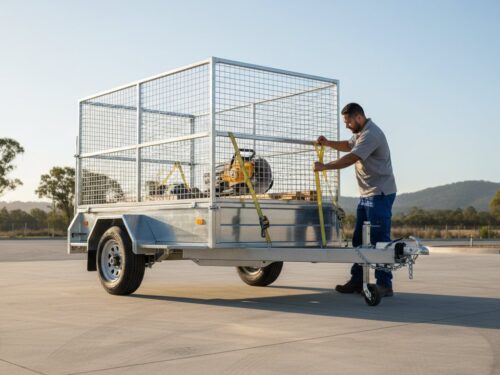
Maintaining a trailer isn’t just about convenience. It’s about safety on the highway. A failed wheel bearing at 100km/h on the M1 isn’t a minor issue; it’s a catastrophe. Regular inspections ensure your gear stays on the road and out of the ditch. Australian roads demand high performance from every component. Whether you’re hauling a boat, a horse float, or a commercial flatbed, understanding the mechanics of different types of trailers is the first step toward safety. A consistent trailer repair schedule prevents the most common mechanical failures that cause accidents.
Your trailer relies on three primary systems to function correctly. The suspension absorbs impact from uneven surfaces and keeps the load stable. The braking system provides necessary stopping power, especially when hauling several tonnes. The structural frame holds the entire assembly together. In coastal regions like Queensland, salt air accelerates oxidation at an aggressive rate. Rust can compromise a steel frame in less than 24 months if you don’t stay on top of it. Preventative maintenance involves cleaning, lubricating, and replacing worn components before they snap under pressure.
- Check tyre pressure and tread depth every trip.
- Grease wheel bearings every 10,000km or annually.
- Inspect the coupling and safety chains for stress fractures.
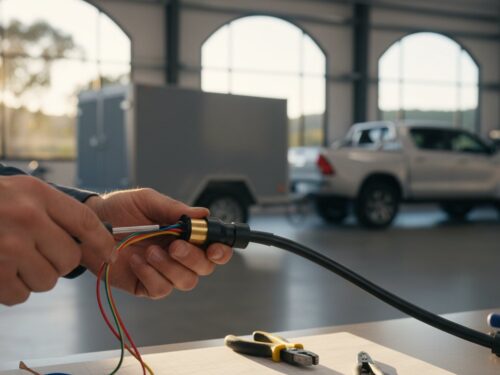
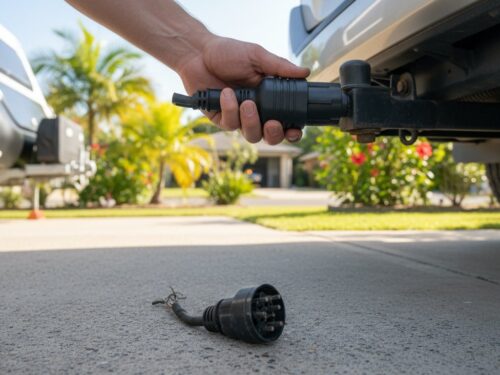
- Test all electrical connections and lighting systems.
The Cost of Neglect vs. Proactive Repair
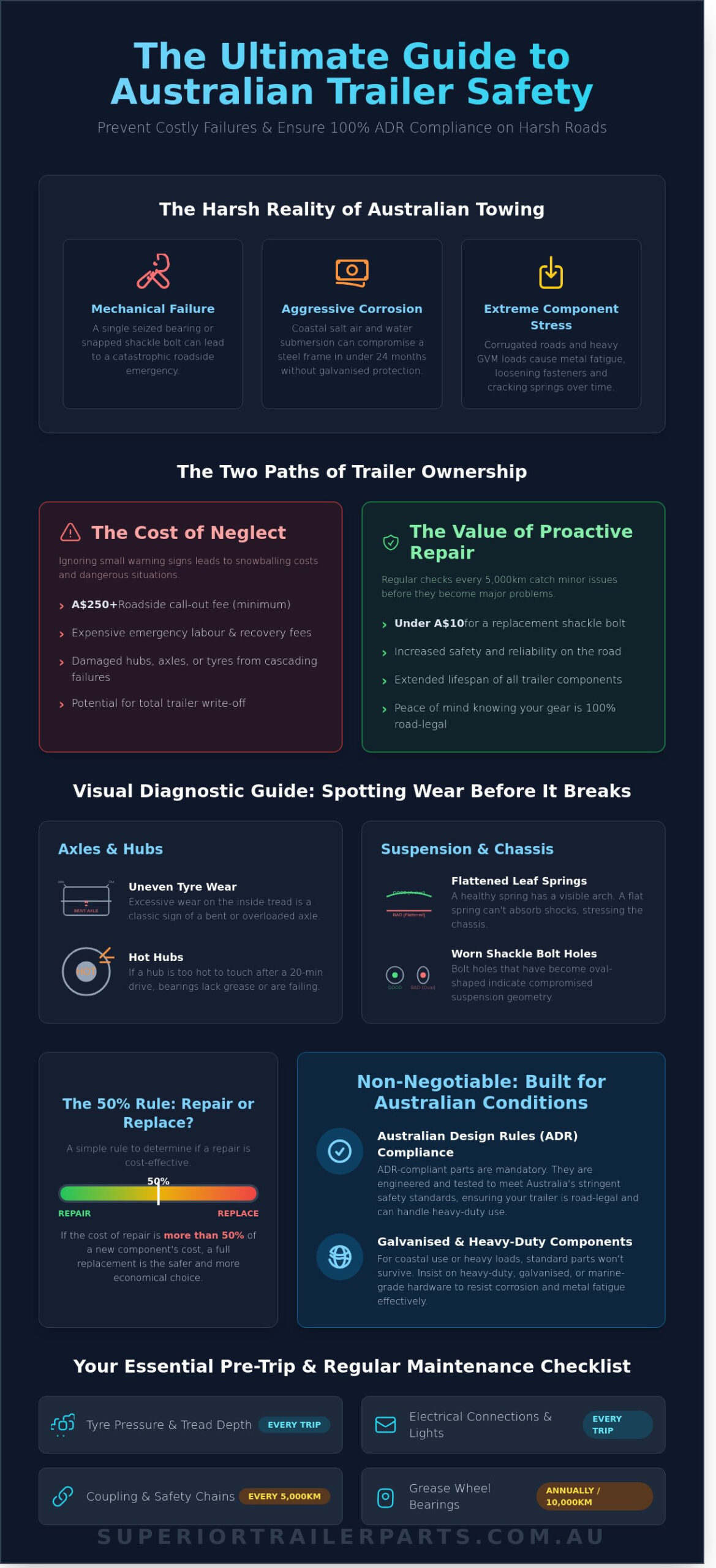
Ignoring a small squeak or a slight pull during braking is a recipe for a financial headache. A roadside call-out for a seized bearing often starts at A$250 before any work begins. This doesn’t include the cost of a new hub or axle if the heat welded the parts together. Small component failures snowball quickly. A worn shackle bolt costs under A$10 but leads to a dropped leaf spring that can write off a trailer. Sourcing quality trailer parts early saves you hundreds in emergency labor and recovery fees. Proactive owners check their gear every 5,000km to catch these issues early.
Australian Towing Conditions and Component Stress
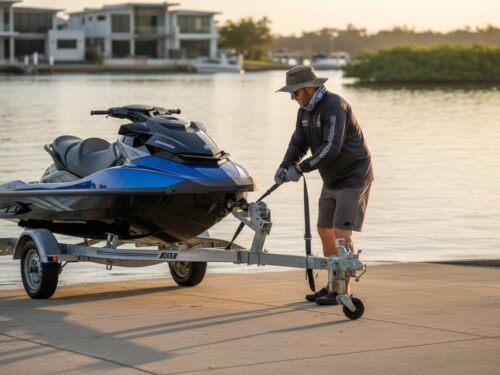
Australia has some of the harshest towing environments globally. Corrugated dirt roads in rural areas put immense stress on axles and springs. Constant vibration loosens fasteners and fatigues metal over time. For boat and jet ski owners, saltwater corrosion is the primary enemy. Submerging a trailer in the ocean introduces salt to every crevice. You must use galvanised and marine-grade hardware to survive these conditions. Heavy-duty torsion axles and reinforced leaf springs are essential for those hauling maximum GVM loads across long distances. Investing in trailer repair components designed for the local climate is the only way to ensure longevity.
These same conditions take a toll on your towing vehicle’s interior, with dust, mud, and salt being tracked in after a long haul or a day at the boat ramp. Protecting your vehicle’s flooring is just as important for maintaining its value and usability. For a durable solution, consider looking into custom moulded car carpet Australia to keep your tow rig’s interior in top shape.
Identifying Common Mechanical Failures and Wear Points
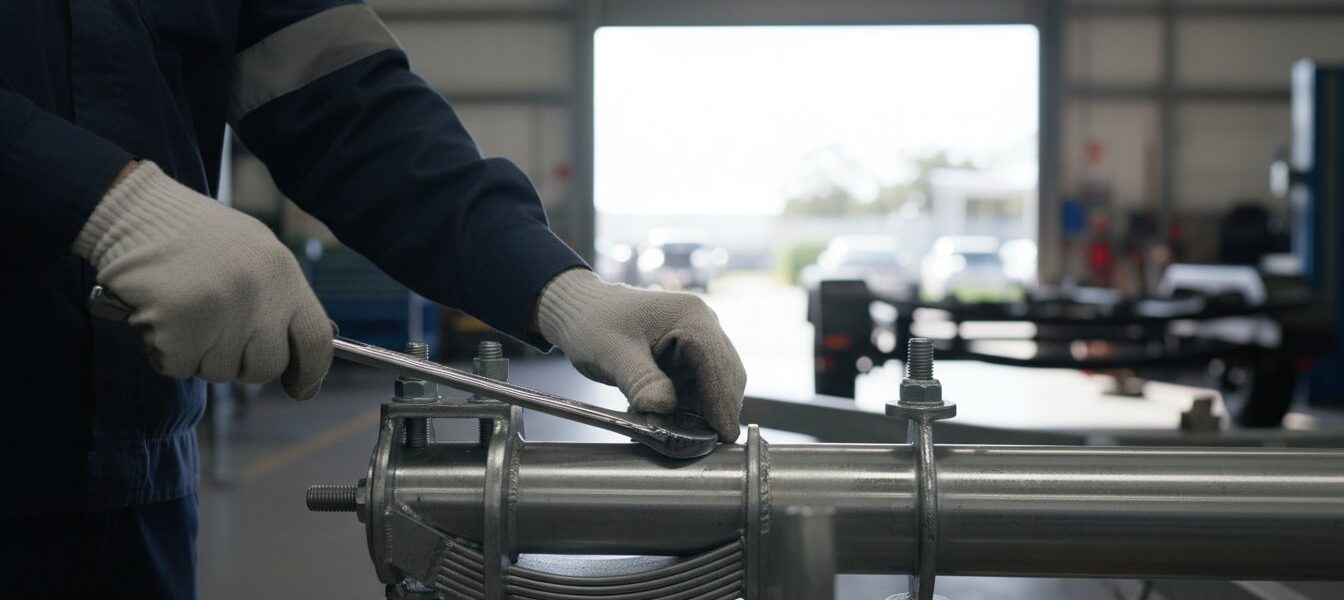
Effective trailer repair starts with a systematic inspection. You need to catch wear before it turns into a structural failure. Most mechanical issues stem from neglected moving parts or environmental corrosion. Identifying these issues early makes any trailer repair project more manageable and prevents expensive roadside recoveries. Regular checks ensure your equipment remains reliable under heavy loads and harsh Australian conditions.
Axle and Hub Diagnostics
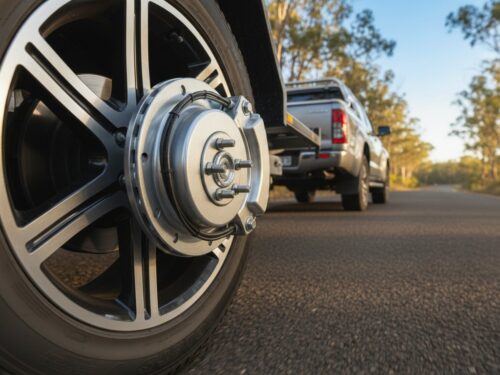
Check your tyres first. Uneven wear on the inside tread often points to a bent trailer axle or an overloaded setup. If you’re consistently hauling near the limit, move from a 39mm round axle to a 45mm square version. This swap provides better rigidity and prevents the bowing that ruins tyres. Listen for a low rumble or high-pitched squeal from the hubs while moving. These sounds indicate bearing fatigue. After a 20-minute drive, feel the wheel hubs. If they’re too hot to touch, the bearings lack lubrication or have already started to disintegrate.
Suspension and Chassis Issues
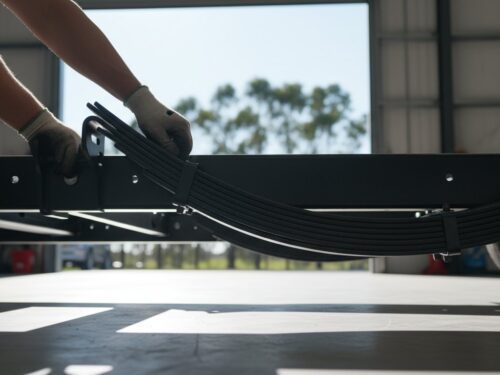
Inspect leaf springs for flattening or signs of “walking” where the leaves shift out of alignment. A healthy spring has a clear arch; a flat or inverted spring can’t absorb road shocks. This puts direct stress on your chassis. Check the shackle bolts and nylon bushings too. If the bolt holes have become oval-shaped, the suspension geometry is compromised. Following basic trailer safety and compliance protocols ensures your coupling and safety chains are also rated for the load. Look for rust-through on the main frame or drawbar. Use a hammer to tap the steel; a dull thud instead of a metallic ring indicates internal corrosion that compromises structural integrity.
Marine-Specific Repair Indicators
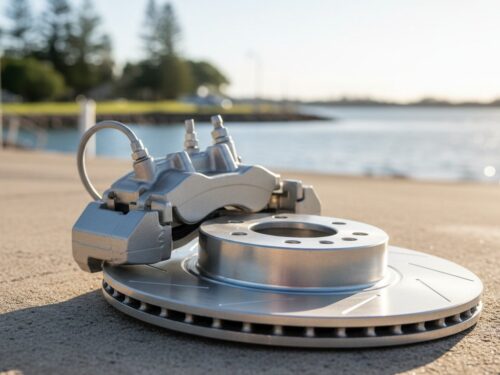
Saltwater accelerates the degradation of boat trailer parts significantly. Winch cables should be checked for frayed strands that reduce breaking strain by 50% or more. Submersible LED lights often fail due to hairline cracks in the housing. If you see internal condensation, the seal is gone and the circuit will eventually fail. For trailers using hydraulic disc brakes, check the calipers for seizing. Salt buildup stops the piston from retracting, which overheats the entire hub assembly. Replace rollers that have developed flat spots, as these put unnecessary strain on the boat hull during launching and retrieving.
Don’t ignore the coupling and hitch mechanism. A loose fit on the tow ball causes rattling and increases the risk of accidental disconnection. Check the internal spring and locking handle for excessive play. If the trigger doesn’t snap shut firmly, the unit is worn beyond its safe limit. For trailers with braking systems, look for glazed pads or rusted drums. Inefficient brakes can increase your stopping distance by up to 30%, which is a major risk on the highway. If you spot these signs of wear, browse our range of high-quality components to get your rig back into top condition.
Evaluating Whether to Repair or Replace Trailer Components
Effective maintenance relies on a cold assessment of costs versus safety. Apply the 50% rule as your primary benchmark. If a trailer repair quote for parts and labour exceeds 50% of the unit’s current market value, replacement is usually the smarter financial move. This calculation changes for specialized or heavy-duty trailers where a new build might cost upwards of A$15,000. In those cases, a A$3,000 overhaul makes perfect sense to extend the life of a proven workhorse.
Safety-critical components demand a zero-tolerance policy. You should never patch up a cracked coupling, a frayed safety chain, or a rusted drawbar. These parts are engineered for structural integrity; once that’s compromised, the risk of catastrophic failure on Australian roads is too high. Always inspect the main chassis rails before ordering parts. If the frame shows deep structural rot or 25% section loss from corrosion, the trailer is likely beyond a safe trailer repair. As an Australian owned and operated specialist, we see many owners over-investing in components when the chassis is already terminal.
Choosing between individual parts and complete assemblies is about long-term value. Replacing a single bolt or bush might save A$20 today, but it often leads to uneven wear across the rest of the system. Complete kits ensure all components work in unison, which reduces the frequency of your maintenance intervals. We ship these comprehensive kits Australia wide to ensure DIYers have everything they need for a professional-standard fix.
Labour costs also dictate the repair versus replace strategy. In a workshop environment, the time spent stripping, cleaning, and rebuilding an old brake actuator often costs more than buying a brand-new, galvanised unit. Focus your budget on high-quality, genuine parts that offer longevity. It’s better to spend a bit more upfront on marine-grade components than to repeat the same job in twelve months due to salt-water damage.
While maintaining your own trailer is key for specific hauls, a full household relocation presents a different set of challenges. In these cases, professional movers handle the heavy lifting and logistics. For example, even though they’re based in Florida, a family-owned business like All American Moving And Storage shows how a dedicated service can manage the entire process, a useful model for those considering alternatives to DIY hauling.
When to Replace Your Suspension System
Deciding between individual leaf springs and a full suspension kit depends on the age of the setup. A single spring costs about A$60, but a full single-axle kit starts at A$220. If one spring has flattened, the other is likely fatigued. For tandem trailers, upgrading to rocker-roller sets improves load sharing and cuts tyre wear by 15% on rough terrain. If slipper spring eyes are oval or hangers are grooved, replace the whole assembly to restore original geometry.
Braking System Overhauls
Brake performance is non-negotiable for trailers over 750kg GTM. If drums are heavily scored or backing plates are rusted, full replacement is more cost-effective than machining. Electric brakes offer superior control for loads over 2,000kg. Master cylinders with internal pitting are beyond repair; new units are affordable at under A$150. Upgrading to disc brakes provides 30% better heat dissipation and simplifies maintenance in salt-water environments, making them the standard choice for boat trailers.
Sourcing ADR-Compliant Parts for Safe Australian Towing
Safe towing in Australia depends on strict adherence to the Australian Design Rules (ADR). These regulations dictate the performance and safety requirements for every component on your chassis. Choosing the right parts is the difference between a reliable haul and a catastrophic mechanical failure. Cheap imported components often skip rigorous testing phases. These parts frequently fail safety inspections because they lack the necessary load rating stamps or material certifications. When you’re hauling a 3,500kg load at 100km/h, “cheap” becomes an expensive risk. You need hardware that’s built to withstand the unique stress of our local road networks.
Load ratings are the most critical metric for any trailer repair project. Axles, couplings, and tyres must be rated to exceed the Aggregate Trailer Mass (ATM). If your trailer has a 2,000kg ATM, every component must independently support that weight or its designated portion of it. For example, a single axle must be rated for the full load minus the ball weight. Tyres must also feature a load index that matches the axle capacity. Using underrated components is illegal and voids your insurance coverage instantly. Always verify the manufacturer’s data before installation.
Ensuring your policy is robust enough to cover your specific use case is another critical step. Specialist firms like AllCover Insurance Brokers can help navigate the complexities of trailer and cargo insurance, making sure you’re protected even if the worst happens.
Corrosion protection is another area where quality varies. Australian coastal conditions and boat ramps demand heavy-duty finishes. High-quality hot-dipped galvanised coatings provide a thick zinc barrier, typically 85 microns deep. This is significantly more durable than standard electroplating, which often measures less than 12 microns. A thicker coating prevents rust from compromising the structural integrity of your frame and suspension components over time. Durable parts reduce the frequency of maintenance and keep your gear in service longer.
Compliance and Safety Standards
Every fastener and connection point must meet specific engineering standards. You must identify and install correctly rated U-bolts and kits to secure your leaf springs. Consider these critical compliance points:
- U-Bolts: Use Grade 8.8 high-tensile steel to resist shearing under heavy vibration.
- Couplings: Match the coupling rating to your trailer’s ATM. A 2,000kg coupling is illegal on a 3,000kg trailer.
- Safety Chains: These must comply with AS 4177.4 and be permanently attached to the drawbar.
- Shackles: Use rated shackles with the capacity clearly stamped on the body.
Unrated hardware is a leading cause of failed registration inspections and roadside fines. Don’t use hardware store “D” shackles that lack a verified weight capacity.
The Advantage of Australian-Owned Suppliers
Local expertise is vital for navigating the harsh conditions of the Australian outback and coastal regions. Hardware designed for the national market accounts for extreme heat and corrugated roads. Australian-owned suppliers offer immediate technical support, helping you choose the right specs for your specific setup. This local knowledge reduces the likelihood of ordering incorrect parts that don’t fit ADR requirements. Parts availability is also superior. You won’t wait weeks for international shipping when a local warehouse has the stock ready for dispatch. This efficiency minimizes downtime and ensures your trailer repair is completed with components built to last. Reliability comes from hardware that has been tested in our specific environment. Choose a supplier that stands behind their products with local accountability.
Ready to upgrade your towing setup with hardware built for local conditions? Shop ADR-compliant trailer parts from a trusted Australian supplier today.
Heavy-Duty Solutions for Reliable Trailer Restoration
Superior Trailer Parts supports both the home mechanic and the professional trade workshop. We understand that a trailer repair often happens under pressure. You need parts that fit the first time. Our inventory covers the full spectrum of box, boat, and tipper trailer requirements. We stock heavy-duty components designed to withstand the corrugated roads of the outback and the salt spray of the coast.
Trade professionals rely on our bulk availability and consistent quality to keep their clients’ fleets moving. DIY owners benefit from our technical support, ensuring they select the right weight-rated components for their specific project. We provide nationwide shipping from our Australian warehouse. This means you get genuine parts delivered to your door, whether you’re in a capital city or a regional hub. Fast shipping minimizes the time your trailer spends on blocks.
- 45mm and 50mm square axles for increased load capacity.
- Electric and hydraulic braking systems for ADR compliance.
- Hot-dipped galvanised components for maximum corrosion protection.
- Heavy-duty leaf springs and greaseable shackle bolts.
Our team offers expert advice for complex builds that go beyond simple part replacement. If you’re upgrading a standard box trailer to a heavy-duty tipper, the geometry and weight distribution change. We help you find practical solutions for these technical challenges. Being Australian owned and operated, we stand behind every product we sell. Our goal is to provide the hardware that keeps your equipment safe and functional.
Premium Components for Long-Term Performance
Quality components are the foundation of a safe trailer. We supply high-capacity 50mm square axles rated for 1,400kg to 2,250kg depending on the bearing configuration. These are essential for heavy-duty restoration projects where standard axles might fail. For trailers with a GTM over 2,000kg, our electric braking kits provide the necessary stopping power required by law. These kits include everything from the backing plates to the hub drums, ensuring a seamless installation process.
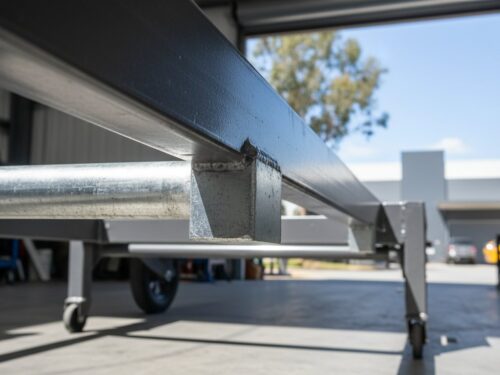
Durability is a priority in our product selection. Our hot-dipped galvanised trailer frames offer superior rust resistance compared to painted alternatives. The galvanisation process creates a protective layer that bonds with the steel, which is vital for boat and jet ski trailers that face constant water immersion. We also stock marine-grade rollers, winches, and submersible LED lights to ensure your watercraft transport remains reliable. These parts are built to endure the harsh Australian environment without premature failure.
Next Steps for Your Trailer Project
Successful repairs start with precise data. Before you place an order, measure your existing parts carefully. For suspension components, check the leaf spring length and the bush diameters. If you’re replacing an axle, measure from hub-face to hub-face to ensure proper wheel clearance. Accuracy prevents delays. Incorrect measurements lead to shipping costs for returns and extended downtime for your vehicle.
Some projects require more than off-the-shelf solutions. We offer custom manufacturing for axles and frames to meet specific engineering requirements. Our technicians work with your dimensions to produce parts that integrate perfectly with your existing setup. This service is ideal for restoring vintage trailers or building specialized trade rigs. Contact Superior Trailer Parts for expert advice on your trailer repair. Our team is ready to help you get your project finished and back on the road.
Keep Your Trailer Road-Ready
Proactive maintenance is the only way to prevent mechanical failure and ensure your equipment stays legal. Identifying wear in galvanised components or checking torsion systems early saves time and money. Every component you install must meet 100% ADR compliance to handle the stress of Australian towing conditions. High-quality, heavy-duty parts provide the resilience needed for long-haul reliability. Proper trailer repair isn’t just about fixing what’s broken; it’s about using genuine parts that won’t let you down when the load is heavy.
Superior Trailer Parts is a 100% Australian Owned and Operated business dedicated to keeping your fleet moving. We offer Australia Wide Shipping and provide expert technical advice to help you select the right marine-grade or heavy-duty solutions. Our inventory is built for durability and performance in the toughest environments. Don’t risk a breakdown with inferior gear when professional-grade components are readily available at competitive prices.
Shop our full range of ADR-compliant trailer parts and get your trailer back in top shape. You’ve got the skills to fix it; we’ve got the parts to make it last.
Frequently Asked Questions
How often should I service my trailer wheel bearings?
Service your wheel bearings every 12 months or 10,000 kilometres to maintain optimal performance. Boat trailers used in salt water require more frequent attention, ideally every 6 months. Regular maintenance prevents the need for an emergency trailer repair on the side of the highway. Use a high-quality, heavy-duty marine-grade grease to protect against water ingress and heat buildup during long hauls across the Australian outback.
Can I weld a cracked trailer axle or should I replace it?
Replace a cracked trailer axle immediately because welding does not restore the original structural integrity of the steel. A solid beam axle for a 750kg GTM trailer typically costs between A$150 and A$320. Welding creates a heat-affected zone that becomes a brittle failure point under heavy loads. It’s safer and more cost-effective to install a new, heavy-duty galvanised axle than to risk a catastrophic break while towing.
How do I know what size U-bolts I need for my trailer?
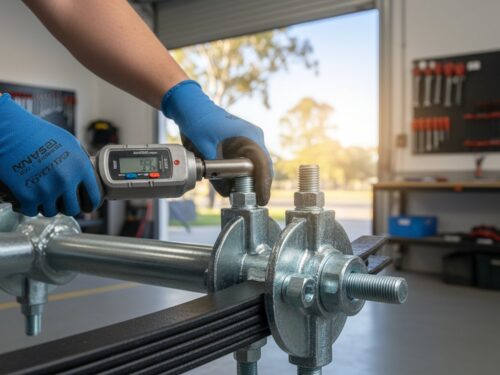
Measure the axle width and the total thickness of your spring stack to find the correct U-bolt size. A 50mm square axle requires a U-bolt with an internal width of 51mm for a snug fit. Ensure the bolt is long enough to leave 15mm of thread visible after the nut is fully tightened. Using 12mm diameter bolts instead of 10mm bolts increases clamping force by roughly 40 percent.
What is the difference between a slipper spring and an eye-to-eye spring?
Slipper springs feature a single eyelet for a front bolt and slide freely in a rear hanger, while eye-to-eye springs use bolts at both ends. Slipper springs are the standard for light trailers under 750kg because they’re simple and durable. Eye-to-eye springs, often used in tandem axle setups, provide a smoother ride and better load sharing across the suspension system for heavy-duty applications.
Is it legal to perform my own trailer repairs in Australia?
You can legally perform your own trailer repair in Australia if the work complies with Vehicle Standards Bulletin 1. DIY owners often handle tasks like replacing leaf springs, hubs, and couplings. However, any structural modifications to the chassis should be inspected by a professional. As an Australian Owned and Operated business, we recommend checking local state regulations to ensure your trailer remains roadworthy on all public highways.
How can I prevent rust on my boat trailer after using it in salt water?
Flush your trailer frame with fresh water within 60 minutes of salt water exposure to stop corrosion. Focus on the internal sections of the box tubing and the brake backing plates where salt accumulates. Applying a lanolin-based spray or a cold galvanising coating provides an extra layer of protection for steel components. Salt water can cause visible rust on raw steel in under 24 hours, so prompt cleaning is essential.
What are the signs that my trailer brakes need replacing?
Replace your trailer brake shoes when the friction material wears down to less than 1.5mm in thickness. Common signs of wear include a 25 percent increase in stopping distance or a metallic grinding sound during deceleration. Inspect the drums for deep scoring or heat cracks during your annual service. Maintaining your brakes prevents expensive damage to the hubs and ensures your trailer stops safely under full load.
Does my trailer need electric brakes or mechanical brakes?
Australian regulations mandate brakes for any trailer with a Gross Trailer Mass over 750kg. Mechanical override brakes are a reliable choice for trailers between 750kg and 2,000kg. For trailers exceeding 2,000kg, you must install electric brakes with a breakaway system. If you’re unsure which system fits your needs, our team provides Expert Advice to ensure your setup is safe and compliant with national towing standards across Australia.