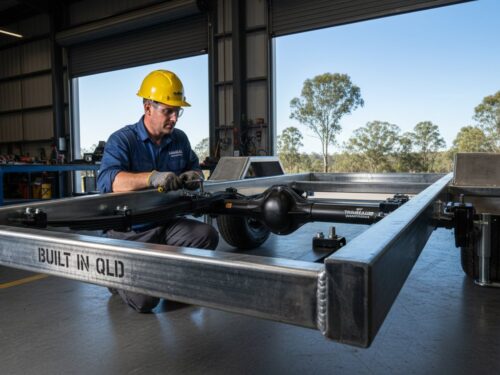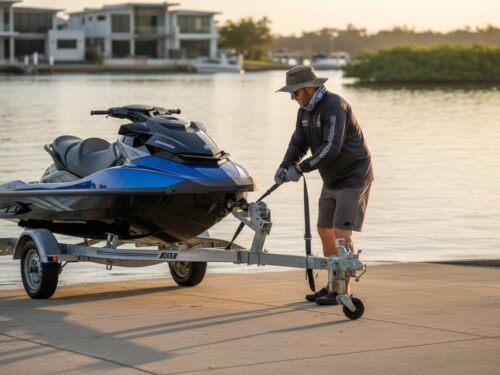
A seized bearing on the side of the Pacific Highway doesn’t just ruin your weekend. It can cost you upwards of A$400 in emergency towing fees before you even pay for the actual repair. You know that a faint hum from your axle is often the first sign of a looming mechanical disaster. Understanding the trailer wheel bearing replacement cost australia is essential for any owner who values reliability over expensive roadside surprises.
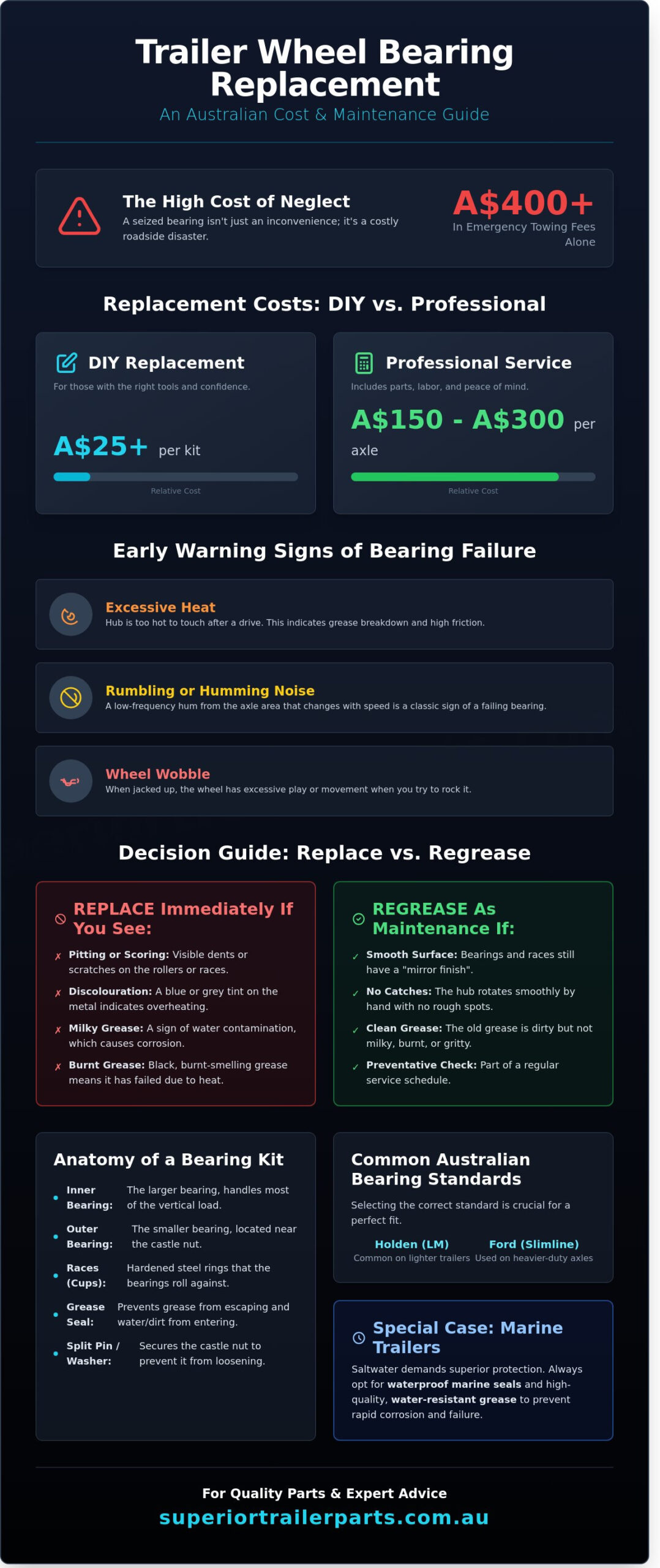
Maintaining your trailer is about more than just avoiding a breakdown. It’s about ensuring your equipment is fit for purpose. This breakdown provides a clear look at the costs involved, from A$25 DIY kits to professional workshop rates that typically range between A$150 and A$300 per axle. You’ll learn the technical differences between Holden and Slimline bearings to ensure a perfect fit every time. We also compare the price of standard steel sets against heavy-duty marine-grade parts designed for salt-water immersion. Get the facts on what to buy and how to spot the signs of failure before your next long haul.
Key Takeaways
- Identify the specific bearing kits required for Australian trailers, including Holden (LM) and Ford (Slimline) standards. Selecting the correct inner and outer bearings for your axle type is essential for a precise fit.
- Compare DIY expenses against professional labour rates to determine the total trailer wheel bearing replacement cost australia for your budget. Professional fees vary based on workshop type and location.
- Understand how marine environments and tandem axle configurations impact your overall maintenance spend. Saltwater exposure demands high-quality seals and heavy-duty components to prevent premature failure.
- Prioritize durable, reliable parts over the cheapest alternatives to ensure long-term performance on Australian roads. Matching axle diameter to the correct hub type ensures your trailer remains roadworthy.
- Learn to spot early warning signs of bearing failure, such as heat or noise, before they lead to costly roadside breakdowns. Proper lubrication and regular inspections are critical for preventing friction damage.
Understanding Trailer Wheel Bearing Failure and Replacement Needs
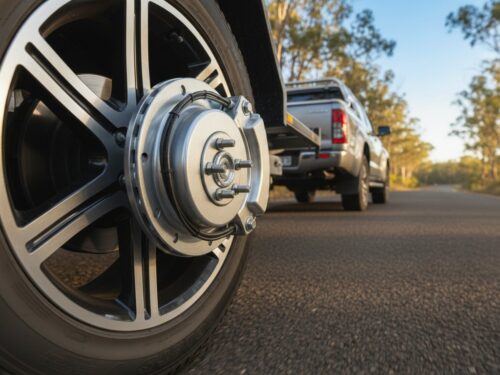
Wheel bearings are the critical link between your trailer’s stationary axle and its rotating wheels. They allow the hub to spin with minimal friction while supporting the entire weight of the trailer and its load. Most Australian trailers use Tapered roller bearings because they are designed to handle both vertical weight and the side-loading forces experienced during cornering. When these components fail, the friction increases rapidly, leading to heat build-up that can reach temperatures exceeding 200 degrees Celsius within minutes.
Failure usually results from three primary factors: lack of high-quality lubrication, water ingress, or excessive load stress. In Australia, boat trailers are particularly susceptible to failure because salt water penetrates the seals and causes rapid corrosion. You can spot early signs of trouble by performing a 15-minute hub check after a drive. If the hub is too hot to touch, the grease has likely broken down. Other indicators include a low-frequency rumbling noise or a noticeable wheel wobble when the trailer is jacked up. Staying ahead of these symptoms is vital for your budget. The total trailer wheel bearing replacement cost australia is significantly lower than the price of an emergency roadside recovery and secondary repairs.
The Consequences of Neglecting Bearings
Ignoring a noisy or hot bearing is a recipe for a mechanical disaster. A seized bearing can generate enough friction to weld the inner race directly to the axle stub. This turns a 60-minute bearing swap into a complex job requiring a complete axle replacement. There is also the very real danger of total wheel loss. If the bearing disintegrates at 100km/h on a highway like the Bruce Highway or the M1, the entire hub assembly can shear off. This creates a lethal projectile that endangers every other driver on the road. Professional fleet managers prioritize bearing health to avoid these high-stakes safety risks and the associated liability.
When to Replace vs. When to Regrease
Clean the old grease off the rollers to determine if you need new parts. Look for visual cues like pitting, scoring, or a blue-grey discolouration on the metal surface. Pitting indicates that the hardened surface of the steel is failing. Regreasing a pitted bearing is a temporary fix that might only last another 50 to 100 kilometres before the noise returns. If you find damage on one side, follow the industry standard and replace bearings in pairs across the axle. This ensures consistent performance and prevents uneven wear patterns. Using reliable axles and genuine marine-grade seals is the best way to extend the interval between replacements, especially in coastal environments where salt air accelerates oxidation.
- Visual Inspection: Check for “mirror finish” loss or grey staining.
- Physical Check: Feel for any notches or “catches” when rotating the hub by hand.
- Grease Condition: If the grease is milky, water has entered the system; if it is black and smells burnt, it has overheated.
Breakdown of Parts: What Goes Into a Replacement Kit?
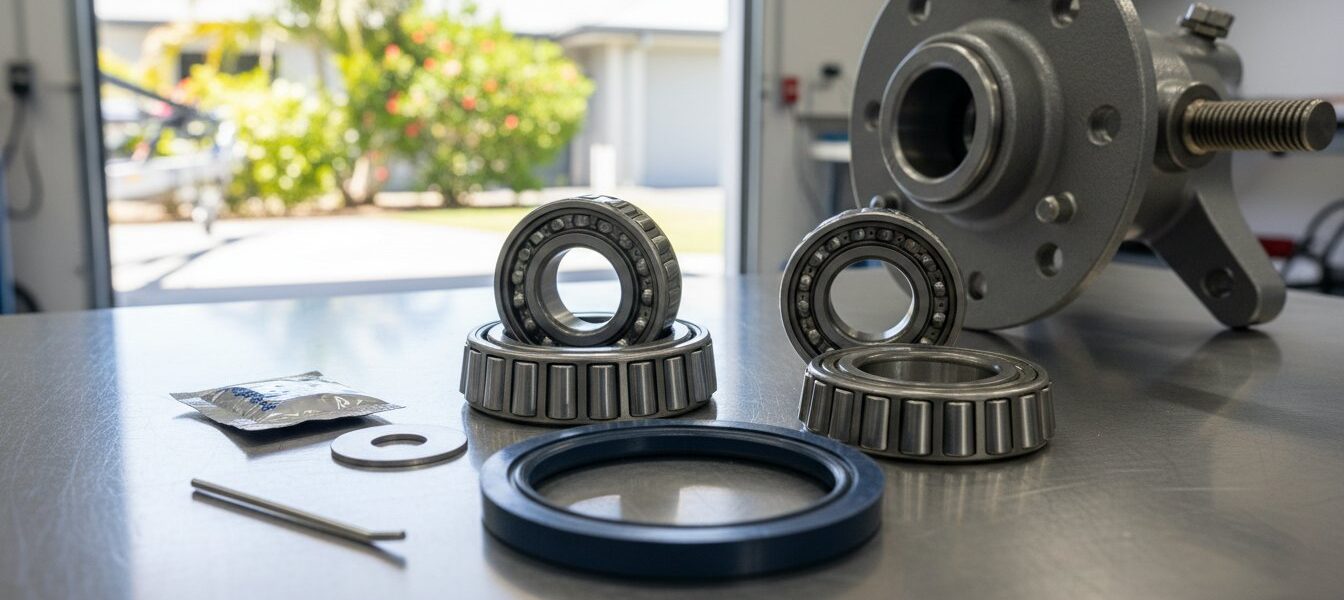
A standard replacement kit contains more than just the rollers. It’s a complete system designed to keep your wheels turning smoothly under heavy loads. Each hub requires an inner bearing, an outer bearing, matching cups (also called races), and a rear grease seal. Most kits also include a split pin or tang washer to secure the castle nut. When calculating your trailer wheel bearing replacement cost australia, it’s vital to account for these individual components. Using cheap, unbranded parts often leads to premature failure on the road.
Marine applications require a different approach. Boat trailers face constant submersion in corrosive saltwater. Standard seals won’t cut it in these conditions. You need specialized waterproof marine seals, often featuring a stainless steel spring, to keep brine away from the steel bearings. High-quality, water-resistant grease is another essential factor. It doesn’t wash away or emulsify when it gets wet, providing long-term protection for your hubs. Skimping on lubricant is a common mistake that increases maintenance frequency and long-term costs.
Common Australian Bearing Sizes
Australian trailers follow specific engineering standards based on axle capacity and shape. You’ll generally find two main types on local roads:
- Holden (LM) Bearings: These are standard for 39mm round axles. They’re common on light-duty box trailers and small boat trailers.
- Slimline (Ford) Bearings: These fit 45mm square axles. They offer a higher load rating and are the standard for most medium-duty trailers.
- Heavy-Duty Bearings: Tandem axle setups rated for 2-tonne or 3-tonne loads require larger bearing sets. These are designed for high-capacity hubs and heavy commercial use.
Always measure your axle or check the numbers stamped on your old bearings before ordering. Getting the fit wrong will cause immediate mechanical issues.
The Role of the Axle Seal and Dust Cap
The rear axle seal is your first line of defense. It prevents road grime, dust, and moisture from entering the internal hub assembly. It also keeps the lubricant contained so the bearings don’t run dry. Following Queensland Government trailer safety standards helps ensure your trailer remains roadworthy and safe for long-distance hauls. A secure dust cap completes the seal by protecting the outer bearing from external debris.
If you find that your axle surfaces are heavily pitted or worn, a simple bearing change won’t fix the problem. In these cases, you might need to look at full axles for a complete assembly replacement. Ensuring every part of the hub is in top condition is the only way to avoid a breakdown. For those starting a fresh build or a major overhaul, we offer a wide range of high-quality trailer parts to get you back on the road quickly.
DIY vs. Professional Mechanic: Comparing Replacement Costs
Deciding between a DIY approach and hiring a professional mechanic is a choice between saving money or saving time. DIY maintenance reduces the immediate financial burden. Professional shops provide a guarantee on their workmanship and technical expertise. If you operate tandem axle trailers, prepare for higher expenses regardless of the route you take. You are effectively doubling the parts and labour requirements because four hubs need attention instead of two.
This trade-off isn’t unique to vehicle maintenance; it’s a key consideration for homeowners as well. Just as with trailer bearings, knowing when to tackle a home repair yourself versus hiring an expert is crucial. For guidance on this decision regarding major tasks like roof work, you can visit Brisbane Roof & Paint to see what’s involved in professional repairs.
Estimating the Cost of DIY Replacement
Buying the components yourself is the most affordable way to maintain your trailer. High-quality trailer parts ensure longevity on harsh Australian roads. Standard bearing kits generally cost between A$30 and A$60 per wheel. You must also budget for consumables. High-temperature grease and new split pins add roughly A$15 to A$25 to the total. Your estimated total DIY trailer wheel bearing replacement cost australia per axle will sit between A$75 and A$145. This path requires a solid afternoon of work and basic tools like a jack, stands, and a grease gun.
Professional Workshop Labour Rates
Professional workshops offer speed and reliability for those with busy schedules. Most Australian mechanics charge between A$120 and A$180 per hour for labour. A standard single-axle service typically takes 1 to 2 hours to complete properly. This timeframe allows the mechanic to remove old grease, clean the hubs, and inspect the axles for scoring or heat damage. Expect a total invoice of A$250 to A$450 per axle when parts are included. This price reflects the peace of mind that comes with professional fitment and safety checks.
Mobile repair services provide a convenient alternative for trailers that cannot be safely towed to a workshop. These specialists bring the tools to your driveway or worksite. Most mobile mechanics charge a call-out fee on top of their standard labour and parts pricing. These fees usually range from A$80 to A$150 per visit. While more expensive, this service prevents further damage to a compromised hub during transit. Choosing a qualified specialist ensures your trailer remains roadworthy and reliable for the long haul.
Factors That Influence the Final Price in Australia
The total trailer wheel bearing replacement cost australia depends on several technical variables. You aren’t just paying for a metal ring and some grease. The environment, the weight capacity, and the existing hardware determine the final invoice. Understanding these factors helps you avoid unexpected costs when the mechanic provides a quote.
Axle configuration is the most obvious price driver. The math is simple. A standard single-axle box trailer requires two bearing kits. If you pull a tandem axle trailer, your parts and labour costs double. You’re paying for four sets of bearings and four times the grease. Most professional workshops charge a flat rate per hub, so adding a second axle typically increases the labour component by 100%.
Component quality shifts the price significantly. Premium Japanese or German bearings, such as those from NSK or Timken, often cost A$15 to A$30 more per kit than budget imports. While the upfront cost is higher, these high-end parts often last 200% longer under heavy loads. Choosing cheap parts is a short-term fix that usually leads to more frequent breakdowns. We recommend investing in quality to ensure long-term reliability on Australian roads.
The Marine Trailer Premium
Saltwater is a bearing killer. Boat trailers require specialized hardware to survive frequent submersion. You must factor in the cost of marine-grade waterproof seals and bearing protectors. These components prevent brine from entering the hub and corroding the metal. Neglecting these upgrades leads to seized axles on the boat ramp. You can find specialized boat trailer parts designed specifically for these harsh conditions. Expect to pay a 20% premium for marine-grade kits compared to standard box trailer setups.
Braked vs. Unbraked Hubs
Standard hubs are simple to service. Braked hubs add complexity and time. Mechanics must remove brake drums or calipers to access the bearings. This extra step adds 30 to 45 minutes of labour per side. You might also need brake cleaner or replacement pads if the old bearings leaked grease onto the braking surface. This contamination makes the job more expensive but is necessary for safety. If your axles feature electric or hydraulic brakes, the technician must also inspect the shoes or pads, which can reveal further maintenance needs.
To get the right components for your specific setup, contact our expert team for a detailed quote on parts.
Selecting Quality Replacement Parts for Long-Term Reliability
Choosing the cheapest bearings is a false economy that leads to roadside breakdowns. While the initial trailer wheel bearing replacement cost australia might look lower on paper, low-grade components often fail within 5,000 kilometres under heavy loads. High-tensile steel and precision-ground rollers ensure the bearing handles radial and axial loads without overheating. You must verify that your bearing kit matches your specific axle diameter and hub type. A standard 39mm round axle requires different tolerances than a 45mm or 50mm square slimline setup. Using the wrong kit leads to excessive play or premature seizure.
Why Genuine Trailer Parts Matter
Generic, low-tolerance bearings often lack the heat-treatment necessary for harsh Australian environments. These parts can seize unexpectedly, causing axle spindle damage that costs upwards of A$450 to repair. Choosing components from an Australian-owned specialist ensures the parts suit local road conditions and engineering standards. You can browse our trailer parts shop for heavy-duty kits designed for durability. Genuine parts maintain a tighter fit, which reduces vibration and extends the life of your tyres by up to 15 percent.
Lubrication is just as vital as the metal itself. Always use high-quality, water-resistant grease with a high drop point, typically exceeding 180 degrees Celsius. This prevents the lubricant from liquifying during long highway hauls in 40-degree heat. If you frequently submerge your trailer at boat ramps or drive through river crossings, invest in bearing protectors. These spring-loaded caps maintain internal pressure, which prevents water and grit from being sucked into the hub through the rear seal when the metal cools rapidly in water.
Final Maintenance Checklist
Precision installation requires a final verification process to ensure the trailer wheel bearing replacement cost australia remains a one-time investment rather than a recurring expense. Follow these steps before your next long trip:
- Check the hub temperature by hand after the first 50km of towing; it should be warm to the touch, never hot enough to burn.
- Ensure the split pin is seated correctly and bent over the castle nut to prevent it from backing off.
- Confirm the dust cap is airtight and tapped firmly into the hub face.
- Re-grease the hubs every 10,000km or every 12 months, whichever comes first.
If you need technical advice on specific bearing kits or axle fitment for your setup, contact us to speak with an expert. We provide the technical support needed to get your trailer back on the road safely.
Secure Your Load with Reliable Wheel Bearings
Maintaining your trailer is a practical necessity for safety and performance. A standard bearing kit for a single axle usually ranges from A$40 to A$120. Professional labor often adds A$150 to A$300 to the total invoice. By handling the installation yourself, you significantly reduce the trailer wheel bearing replacement cost australia while gaining a better understanding of your equipment. It’s a small investment that prevents a major breakdown. Focus on sourcing heavy-duty, marine-grade parts to withstand harsh coastal conditions and heavy loads.
Superior Trailer Parts is 100% Australian Owned and Operated. We offer nationwide shipping across Australia, ensuring you receive genuine components without delay. Our specialists provide expert technical advice for DIY repairs, helping you select the right galvanised or torsion components for your specific setup. Don’t risk a seized axle on the highway when a proactive replacement is straightforward and affordable. We stand behind every part we sell to keep your gear moving.
Shop High-Quality Trailer Bearing Kits at Superior Trailer Parts
Get your trailer back on the road with confidence today.
Frequently Asked Questions
How much does it cost to replace trailer wheel bearings in Australia?
Replacing trailer wheel bearings in Australia typically costs between A$150 and A$400 per axle for professional workshop service. DIY kits range from A$30 to A$85 per wheel hub depending on the load rating. The total trailer wheel bearing replacement cost australia depends on whether you choose standard or marine-grade bearings. Labour rates at local workshops average A$120 per hour. Expect to pay more for heavy-duty setups or if the hub requires machining.
Can I drive my trailer with a noisy wheel bearing?
You shouldn’t drive a trailer with a noisy wheel bearing because it indicates imminent mechanical failure. A grinding or humming sound means the metal surfaces are wearing down or the grease has dried out. Heat builds up quickly at 100km/h on Australian highways. This heat can weld the bearing to the axle or cause the wheel to detach entirely. Pull over immediately and inspect the hub temperature with your hand to assess the damage.
How often should trailer wheel bearings be replaced?
Inspect and service your trailer wheel bearings every 12 months or every 10,000 kilometres. Boat trailers require more frequent attention due to saltwater submersion; service these every 6 months or after 5,000 kilometres of use. Check for play in the wheel by jacking up the trailer and rocking the tyre. If you notice grease leaking from the rear seal or hear clicking, replace the bearings immediately to prevent a roadside breakdown.
What is the difference between Holden and Slimline bearings?
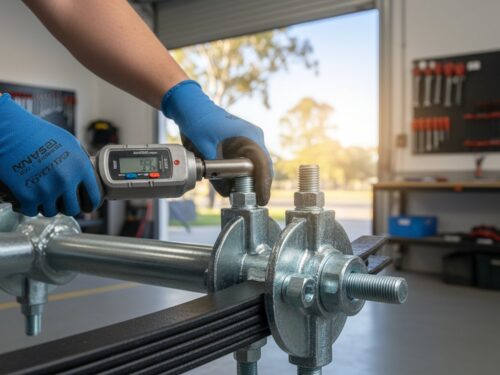
Holden bearings use a 1.25 inch inner and 0.75 inch outer diameter, while Slimline bearings use a 1.375 inch inner and 0.875 inch outer diameter. Holden bearings are standard for 750kg GTM trailers. Slimline bearings, also known as Ford bearings, support loads up to 1,500kg per axle. Always measure your spindle with a digital caliper to ensure a precise fit. Using the wrong size causes immediate failure and compromises your safety on the road.
Do I need a hydraulic press to replace trailer bearings?
You don’t need a hydraulic press to replace most trailer bearings; a hammer and a brass drift or punch are sufficient. Use the drift to tap the old bearing races out of the hub evenly. When installing new races, use an old race or a dedicated bearing driver tool to seat them firmly. Ensure the hub is clean and free of burrs before installation. Apply heavy-duty grease to the races to assist the seating process.
Is it worth paying for a professional to do my trailer bearings?
Paying a professional is worth the investment if you lack the tools or experience to set the correct bearing preload. Mechanics charge roughly A$130 in labour per axle and provide a guarantee on their workmanship. Incorrectly tightened bearings lead to premature wear or overheating within 50 kilometres of travel. A professional also inspects the brake shoes and magnets, ensuring the entire undercarriage is roadworthy for long Australian hauls and heavy loads.
What happens if a trailer wheel bearing fails while driving?
A total bearing failure causes the wheel to seize or, in extreme cases, the entire hub assembly to shear off the axle. This often results in a fire due to extreme friction or a loss of vehicle control at high speeds. If the trailer wheel bearing replacement cost australia seems high, consider that a roadside recovery fee often exceeds A$600. Preventative maintenance avoids the danger of a wheel bouncing into oncoming traffic.
How do I know what size bearing kit I need for my axle?
Identify your bearing size by checking the part numbers stamped on the inner and outer bearing cones. Common Australian kits include the LM11949/10 and L44649/10 combinations. If the numbers are unreadable, measure the spindle diameter at the bearing seats using a caliper. A 31.7mm inner seat usually indicates a Holden setup. Always buy a kit that includes the rear grease seal and split pin for a complete and reliable overhaul.