You’ve hitched the trailer, ready for the job, but the indicators won’t flash. Or worse, they flicker every time you hit a bump on a corrugated road. It’s a common problem that costs you time and causes major headaches. A poor electrical connection isn’t just an annoyance; it’s a safety hazard that can attract unwanted attention from highway patrol. The issue often comes down to one simple, overlooked component.
This practical resource cuts through the confusion. You will learn how to identify the different Australian plug standards, from 7-pin flat to 12-pin round, and select the right trailer plug adapters for a secure, weatherproof connection. Forget blown fuses and unreliable lights. We’ll show you how to match your vehicle to your trailer correctly, choose a heavy-duty adapter built for Australian conditions, and perform basic checks to keep your lights working reliably on every trip.
Key Takeaways
- Identify the common Australian plug standards-Flat, Small Round, and Large Round-to prevent connection mismatches.
- Understand the functional difference between 7-pin and 12-pin systems to power your caravan or heavy-duty trailer correctly.
- Learn how to select the right trailer plug adapters to reliably connect any combination of vehicle and trailer.
- Discover simple maintenance steps to clean corroded pins and troubleshoot a faulty connection before it becomes a problem.
Common Australian Standards for Trailer Plug Adapters
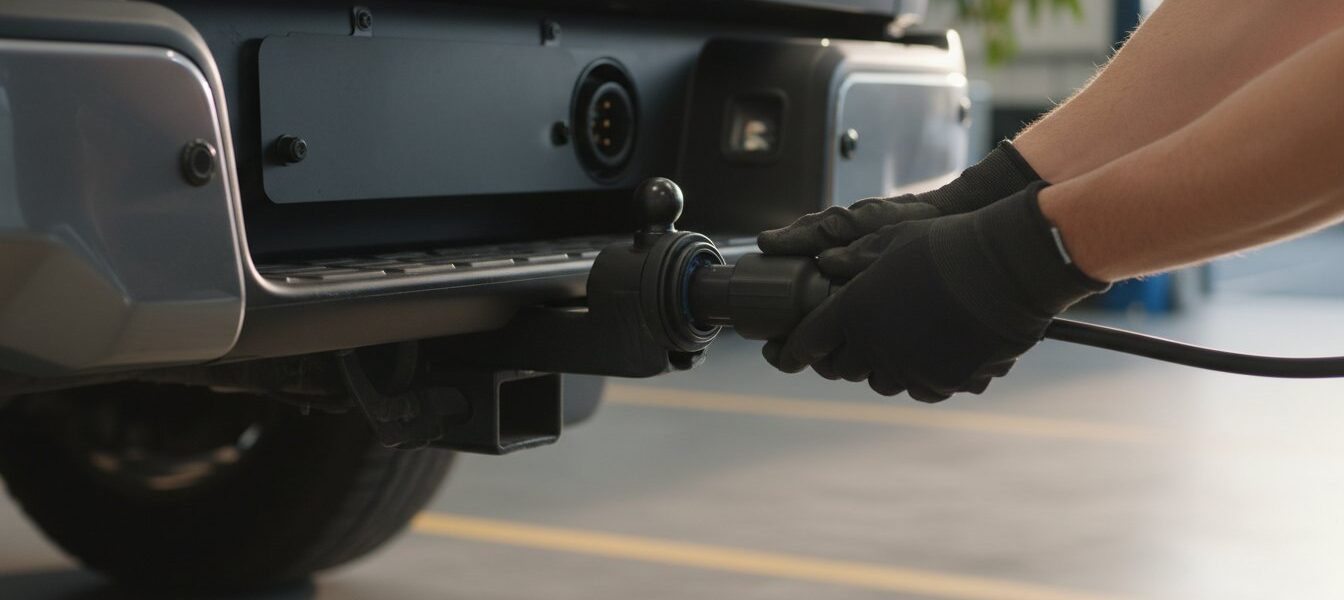
A trailer plug adapter is a crucial piece of equipment. It acts as a bridge, connecting mismatched electrical plugs between your vehicle and your trailer. In Australia, you can’t assume one plug fits all. The country uses several different trailer connector standards, a legacy of evolving vehicle designs and towing requirements. This variation means your new 4WD might not connect directly to your older boat trailer or caravan.
Getting this connection right isn’t just about convenience. It’s a legal and safety requirement. A secure, correct electrical link powers your trailer’s essential systems. This includes brake lights, indicators, and, for heavier loads, electric brakes. A faulty connection can lead to system failure on the road. All trailer wiring in Australia must comply with the Australian Design Rules (ADR), which mandate that lighting and braking systems function correctly. Using the right adapter ensures you meet these obligations without costly rewiring.
Flat vs. Round: Identifying Your Connection
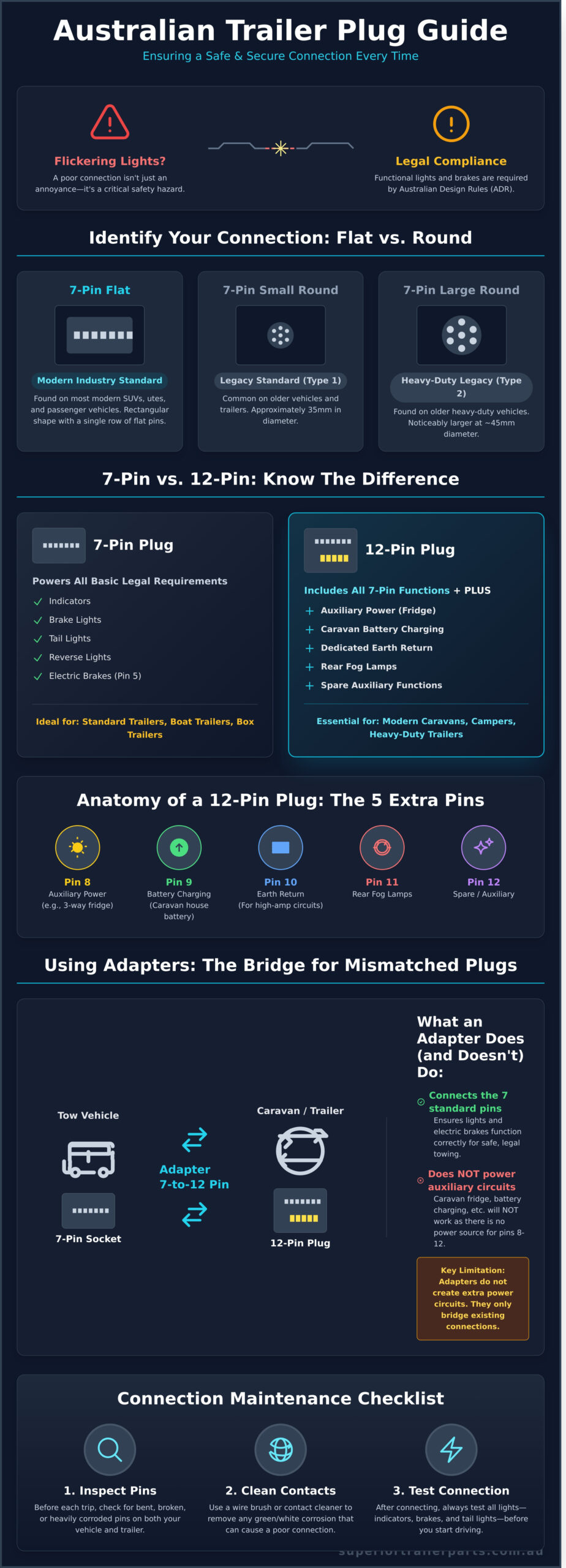
Most modern SUVs, utes, and passenger vehicles in Australia come factory-fitted with a 7-pin flat plug. You can identify it by its rectangular shape and a single row of flat blade-style pins. This design offers a robust, weather-resistant connection and is now the industry standard for light-duty towing. In contrast, round sockets are common on older vehicles and trailers. These come in two main types: the large 7-pin round (Type 2) and the small 6 or 7-pin round (Type 1). Always count the pins to be certain of what you have.
The Role of the Adapter in Heavy-Duty Towing
For most towing jobs, trailer plug adapters provide a simple, effective solution. They allow you to connect different plug types instantly, saving you the time and expense of a full rewire. This is perfect if you tow multiple trailers or use different vehicles. However, adapters have their limits in high-current applications. Systems like breakaway battery chargers or heavy-duty electric brakes draw significant power. A simple adapter may not provide a reliable enough connection for these demanding loads. If your wiring is old or you need a dedicated high-power circuit, a full rewire using genuine trailer parts is the superior long-term solution.
Comparing 7-Pin and 12-Pin Trailer Configurations
Understanding the difference between 7-pin and 12-pin trailer plugs is essential for safe and functional towing in Australia. The choice isn’t about preference; it’s about matching your vehicle’s electrical output to your trailer’s power requirements. A 7-pin flat plug is the standard for basic towing. It reliably powers all legally required lighting systems, including indicators, brake lights, tail lights, and reverse lights.
A 12-pin plug provides significantly more capability. It includes the same 7 pins for standard lighting, plus five additional, heavy-gauge pins designed for high-power applications. This upgrade is non-negotiable for modern caravans and campers. The wiring for these connections is standardised to ensure safety and interoperability, as detailed in the Australian Standard AS 4177.5-2004. These extra pins are what allow your caravan’s auxiliary systems to function on the road.
The technical breakdown of the extra five pins is straightforward:
- Pin 8: Auxiliary Power. This provides a constant 12V feed to run a 3-way fridge while you drive.
- Pin 9: Battery Charging. This connects to your vehicle’s alternator to charge your caravan’s internal house battery.
- Pin 10: Earth Return. A dedicated earth for the high-amperage circuits on pins 8 and 9.
- Pin 11: Rear Fog Lamps. For visibility in poor conditions.
- Pin 12: Spare. Can be wired for additional auxiliary functions.
Physically, a 7-pin plug fits perfectly into a 12-pin socket. The connection will power the trailer’s basic lights without issue. However, none of the auxiliary functions will work. The caravan’s fridge will turn off and the battery won’t charge. This is a common situation when using an older work ute to move a modern caravan.
When to Use a 7-to-12 Pin Adapter
If your tow vehicle has a 7-pin socket and your caravan has a 12-pin plug, you need an adapter to connect them. These simple devices bridge the physical gap, but it’s vital to understand their limitation. A 7-to-12 pin adapter does not create extra power. It only connects the first 7 pins, ensuring your lights and electric brakes (Pin 5) function correctly. Your caravan’s fridge and battery systems will remain unpowered from the vehicle.
Small Round vs. Large Round Sockets
While flat plugs are the modern standard, many older vehicles still use 7-pin round sockets. These come in two sizes. The small round socket is approximately 35mm in diameter. The large round socket is noticeably bigger at around 45mm and was common on older heavy-duty vehicles, including some Ford and Nissan models. For a mismatch, trailer plug adapters are the most cost-effective fix. Rewiring a vehicle can cost upwards of A$300, while a high-quality round-to-flat adapter is a fraction of that price. You can find the right adapter for any configuration to get you back on the road quickly.
Selecting the Right Adapter for Your Towing Scenario
Choosing the correct adapter isn’t just about making things fit. It’s about ensuring a safe, reliable electrical connection between your vehicle and trailer. A mismatch can lead to lighting failures, which is a serious road safety hazard. Most towing issues can be solved with the right off-the-shelf adapter. Get the connection right the first time.
Here are three common scenarios we see across Australia:
- Scenario A: New Vehicle to Old Trailer. You have a new ute with a modern 7-pin flat socket, but your trusty box trailer has an older 7-pin round plug. This is a simple fix. A compact 7-pin flat (vehicle side) to 7-pin round (trailer side) adapter is all you need to get your lights working correctly.
- Scenario B: Commercial Vehicle to Standard Trailer. Heavy vehicles like prime movers or tippers often use a 7-pin large round plug (per AS 2513). If you need to tow a standard utility trailer with a 7-pin flat plug, you’ll require a heavy-duty large-round-to-flat adapter. These are built tough for commercial use.
- Scenario C: Caravan to Standard Vehicle. Your caravan has a 12-pin flat plug for lights and auxiliary power, but your car only has a 7-pin flat socket. An adapter will connect them, but with a critical limitation. It will only power the standard lighting circuits (indicators, brake, tail lights). The extra pins that run your caravan’s fridge or charge its battery won’t receive power. A vehicle wiring upgrade is needed for full functionality.
When selecting from the wide range of trailer plug adapters, don’t compromise on build quality. Look for two essential features. First, a housing made from UV-stabilized plastic. This prevents the casing from becoming brittle and cracking under the harsh Australian sun. Second, insist on nickel-plated brass pins. Brass offers excellent conductivity, and the nickel plating provides a durable barrier against corrosion, ensuring a solid connection every time. Quality wiring is a legal requirement for roadworthiness, as outlined in the federal Vehicle Standards Bulletin 1, which governs light trailer construction and modification.
Marine and Boat Trailer Requirements
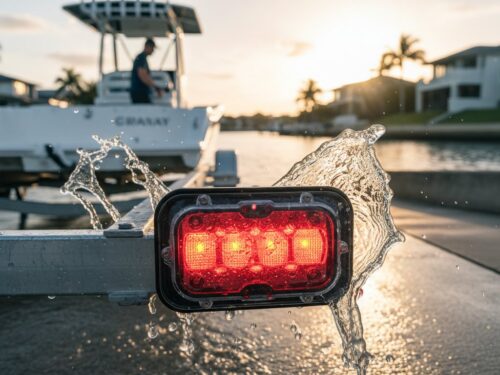
Saltwater is the enemy of electrical components. For boat trailers, corrosion resistance is non-negotiable. A standard adapter will fail quickly after repeated exposure to salt spray or submersion. Always choose a marine-grade adapter with sealed connections and high-quality nickel-plated terminals. For a fully compliant and sea-worthy setup, inspect your entire system. We stock a complete range of marine-grade boat trailer parts designed for the job.
Off-Road and 4WD Considerations
Towing in the outback presents unique challenges. Fine red dust can work its way into standard plug connections, causing intermittent faults. More importantly, constant vibration from corrugated roads can easily shake a simple plug-in adapter loose, leaving you with no trailer lights. For serious off-road use, select an adapter with a secure locking mechanism. A screwed collar or a positive-locking tab will keep the connection secure, no matter how rough the track gets.
Maintenance and Troubleshooting for Trailer Connections
A reliable connection is non-negotiable. When your trailer lights fail, you need to identify the cause quickly and get back on the road. The issue often lies with the plug, socket, or the adapter in between. Before you start cutting wires, follow a logical process to diagnose the fault.
First, determine if the problem is the adapter or the vehicle and trailer wiring. The simplest test is to use a multimeter. Check for 12V power at the correct pins on your vehicle’s socket. If the vehicle socket tests fine, the fault is further down the line. Next, inspect the adapter and trailer plug pins for obvious damage, corrosion, or debris. A faulty connection here is the most common cause of lighting problems.
Oxidised or corroded pins create high resistance, leading to dim, flickering, or dead lights. Cleaning them is a straightforward job.
- Disconnect: Ensure the adapter is unplugged from the vehicle. Safety first.
- Inspect: Look for green or white powder-like corrosion on the brass pins.
- Clean: Use a small wire brush or a dedicated terminal cleaning tool to scrub the surface of each pin. For heavy corrosion, a piece of 400-grit sandpaper can be used carefully.
- Flush: Spray the pins and sockets with a quality electrical contact cleaner to remove residue and displace any moisture.
- Protect: Once dry, apply a thin layer of dielectric grease to the pins. This grease does not conduct electricity; it seals the connection from moisture and oxygen, preventing future corrosion.
This detailed cleaning is a key part of regular maintenance. For commercial operators, keeping the entire vehicle and trailer clean is just as crucial for preventing corrosion, identifying potential issues early, and maintaining a professional appearance. For those looking for professional heavy vehicle cleaning solutions, washify.com.au provides mobile truck washing services.
Testing your lights alone is simple. Back your trailer up close to a reflective surface like a garage door or a large window at night. You can see the reflection of your indicators, brake lights, and tail lights. Alternatively, use your smartphone to record a short video of the lights as you operate them from the driver’s seat.
Dealing with Flickering or Dim Lights
Flickering lights are almost always caused by a poor earth connection. In Australian wiring, this is the white wire connected to pin 3 (on a 7-pin flat plug). Ensure the earth pin on your adapter has a clean, solid connection. If the adapter casing can be opened, check that the internal earth wire is secure. Persistent issues with specific lights often point to damage within the adapter itself. If you regularly tow the same trailer, a permanent rewire is a more reliable solution than long-term use of trailer plug adapters.
Preventing Common Adapter Failures
Proper care extends the life of your adapter. When not in use, store it in a dry place like your glove box, not in the tray of your ute where it’s exposed to rain and dust. Periodically inspect the adapter for melted plastic, especially around pins used for high-draw circuits like electric brakes or auxiliary power. Heat damage indicates a poor connection creating dangerous resistance. Finally, ensure your trailer cable has adequate strain relief. The adapter should not support the full weight of a heavy, dangling cable.
If your adapter shows signs of cracking, heat damage, or excessive wear, it must be replaced. A faulty connection isn’t just an inconvenience; it’s a serious safety risk. If a rewire is the best long-term solution, invest in quality components. Find reliable, heavy-duty trailer plugs and sockets built for tough Australian conditions.
Reliable Towing Solutions from Superior Trailer Parts
Choosing the right equipment for your trailer isn’t just about compliance; it’s about safety and reliability on the road. As an Australian Owned and Operated business, we understand the unique challenges our local conditions present. From the corrosive salt spray along the coast to the punishing vibrations on corrugated outback tracks, every component needs to be tough. Our expertise is grounded in sourcing and supplying parts that are built to withstand these specific environments, ensuring your connection stays secure trip after trip.
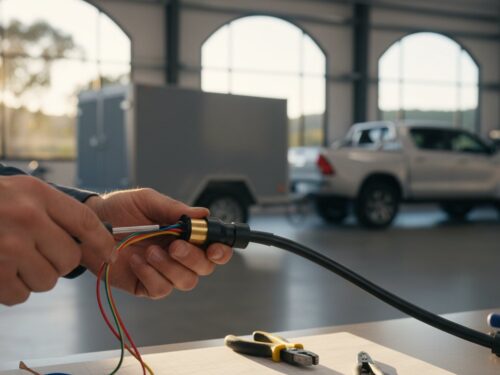
Our range of heavy-duty trailer plug adapters is engineered for longevity. We don’t stock flimsy, throwaway parts. Each adapter is selected for its robust construction, secure pin connections, and resistance to weather and wear. This commitment to quality means you get a reliable electrical link between your vehicle and trailer, reducing the risk of light failures or brake disconnections. With our efficient nationwide shipping network, we get these essential components to you anywhere in Australia, from metro workshops to remote properties. We get the job done.
Complex wiring doesn’t have to be a roadblock. If you’re dealing with a mismatch between a European caravan and an Australian tow vehicle, or need to integrate electric brakes into an older setup, our team provides expert advice. We have seen thousands of unique configurations and can help you identify the correct adapter or wiring solution to ensure full functionality. Don’t guess with your electrics; get clear, practical guidance from specialists who handle these challenges daily.
Beyond the Adapter: Comprehensive Trailer Support
A reliable connection is just one part of a safe towing system. We support DIY builders and fleet managers with a full inventory of high-quality components. This includes robust axles and complete electric braking kits designed for straightforward installation. We also provide custom solutions for specialised builds like heavy-duty box trailers or marine-grade jet ski trailers. Every part we sell is backed by the Superior Trailer Parts guarantee for durability and performance.
Getting Started with Your Towing Upgrade
Ready to get the right fit for your rig? You can order all our trailer plug adapters and components directly from our website for fast, Australia-wide delivery. If you need hands-on advice or want to see the products firsthand, visit our Gold Coast warehouse. Our team is on-site to help you find exactly what you need. Before you tow, run through this final checklist to ensure a safe journey.
- Light Check: With the trailer connected, test your brake lights, indicators, and tail lights. Have someone stand behind to confirm all are working correctly.
- Secure Connection: Physically check that the adapter and plugs are firmly seated. The connection should be snug with no wobble.
- Brake Test: If your trailer has electric brakes, test the manual override on your brake controller before you pull out.
- Cable Inspection: Ensure the wiring cable has enough slack for tight turns but won’t drag on the ground.
Secure Your Connection and Tow with Confidence
A reliable connection is non-negotiable for safe towing on Australian roads. By understanding the critical differences between 7-pin and 12-pin configurations, you can ensure full legal compliance and functionality for your trailer’s lights and braking systems. Regular inspection and maintenance are just as important, preventing common faults that can leave you stranded. This practical knowledge is your best tool for a trouble-free journey.
Superior Trailer Parts is your source for dependable towing hardware. As a proud Australian Owned and Operated company, we provide a complete inventory of heavy-duty trailer plug adapters built to withstand harsh local conditions. Don’t guess which adapter you need. Our team is on hand to provide expert technical advice, ensuring you get the right part for your specific vehicle and trailer setup the first time.
We provide fast, nationwide shipping from our Gold Coast warehouse. Shop our range of heavy-duty trailer plug adapters for Australia-wide delivery and get the job done right.
Frequently Asked Questions
Will a 7-pin flat trailer plug fit into a 12-pin flat socket?
Yes, a 7-pin flat plug is designed to fit directly into a 12-pin flat socket. The 12-pin socket provides backward compatibility by matching the top 7 pins to the standard 7-pin layout. This connection will power all essential lighting functions like brake lights, indicators, and taillights. The extra 5 larger pins at the bottom of the 12-pin socket, used for auxiliary power, will simply remain unconnected and inactive.
What is the most common trailer plug used in Australia?
The 7-pin flat plug is the most common and standard trailer connection in Australia. It was mandated under Australian Design Rule 62/02 for new light vehicles, ensuring its widespread adoption. While older vehicles may still use 7-pin round plugs and caravans often use 12-pin flat plugs for extra power, the 7-pin flat remains the dominant type for general-purpose trailers. This standardisation makes towing different trailers much simpler.
Do trailer plug adapters affect the operation of electric brakes?
Yes, an adapter can affect electric brake performance if it’s poor quality or damaged. The electric brake signal travels through a specific pin (Pin 5, the blue wire). A quality adapter ensures a solid connection for this circuit. However, a faulty adapter can cause a weak or intermittent signal, leading to reduced braking force or complete failure. Always use a heavy-duty adapter and check that the brake pin connection is secure.
How do I know if I have a small round or large round socket?
You can identify a round socket by its diameter. A large round socket (Type 1) measures approximately 36mm across and is typically found on heavy-duty trucks. A small round socket (Type 2) is smaller, measuring about 25mm in diameter, and was common on passenger vehicles before flat plugs became standard. Measuring the socket’s opening is the most reliable way to confirm which type you have before purchasing parts.
Can I use a trailer plug adapter permanently or is it just for temporary use?
Trailer plug adapters are engineered for temporary and occasional use. While a high-quality unit is reliable, it adds another connection point that can wear out, corrode, or become loose over time. For a permanent towing setup, the best practice is to rewire the trailer or vehicle with a matching plug and socket. This creates a single, more secure connection that is less prone to failure, especially in harsh Australian conditions.
Why do my trailer lights blink fast when using an adapter?
Your lights are blinking fast, or “hyper-flashing,” because your vehicle’s computer detects a problem with the indicator circuit. This usually happens when connecting modern LED trailer lights to a vehicle designed for older incandescent bulbs. The low power draw of LEDs tricks the system into thinking a bulb is blown. Some trailer plug adapters have built-in load resistors to fix this, but if yours doesn’t, you’ll need to install resistors on the trailer’s wiring.
It’s a reminder that even straightforward jobs now involve complex electronics. For small business owners and tradies, this isn’t just limited to vehicles; office technology can be just as frustrating. When computer or network problems arise, getting expert help from a service like Aspire Computing ensures you can stay focused on your primary work.
Are trailer plug adapters waterproof for boat ramps?
No, standard trailer plug adapters are not fully waterproof or submersible. They are built to be weather-resistant against rain and road spray, but they will fail if submerged in water at a boat ramp. It’s critical to always unplug your trailer’s electrical connection before backing the trailer into the water. Using a generous amount of dielectric grease on the pins can help repel moisture and prevent corrosion in marine environments.
What should I do if the adapter feels loose in the vehicle socket?
A loose adapter requires immediate attention as it creates an unsafe connection. First, inspect the vehicle’s socket and the adapter’s pins for any dirt, damage, or corrosion and clean them. If the fit is still loose, the metal contacts inside the vehicle’s socket may have widened over time. You may need to replace the vehicle’s socket to ensure a firm, reliable electrical connection. Do not tow with a loose-fitting plug or adapter.