Choosing the wrong leaf spring can reduce your suspension’s service life by 30% due to accelerated bushing failure and hanger fatigue. It is a common frustration for fleet managers and DIY owners alike when facing the eye to eye vs slipper springs decision. You need a trailer that tracks straight and stays quiet under load, but many builds end up with a bumpy ride that rattles every bolt loose. We understand that you want gear that works as hard as you do without the confusion of industry jargon.
We know you value durability and performance over marketing fluff. This article delivers a technical breakdown of how these springs function under harsh Australian conditions, covering everything from the superior dampening of a 5 leaf eye to eye spring to the heavy-duty resilience of a 4 leaf slipper spring. You’ll learn about the specific hardware required for a secure fit and how to select the right system for your 45mm or 50mm square axles. We provide the expert advice needed to maximize your trailer’s lifespan and ensure a reliable, hassle-free haul every time you hit the road.
Key Takeaways
- Identify the mechanical differences between rolled eyes at both ends and the flat “slipping” end found on heavy-duty slipper springs. This design dictates how your trailer handles road vibration.
- Evaluate the hardware requirements for eye to eye vs slipper springs to ensure you have the right hangers and shackle bolts. Correct fitment is essential for protecting your 45mm or 50mm square axles.
- Learn why eye to eye springs offer superior dampening for light loads while slipper springs provide a durable, low-maintenance option for heavy-duty hauling. Match your spring choice to your specific load requirements.
- Determine the ideal application for each spring type based on your trailer’s environment and use case. Box trailers and boat trailers have different needs for corrosion resistance and mechanical simplicity.
- Master the measurement techniques needed for accurate spring replacement. Identifying signs of fatigue like sagging or cracking early helps you maintain a safe and reliable trailer.
Understanding Eye to Eye and Slipper Spring Suspension Systems
The Leaf spring is the backbone of any trailer suspension system. Its primary role is to manage weight distribution and absorb road energy to protect your chassis and cargo. When comparing eye to eye vs slipper springs, the mechanical difference lies in how the spring connects to the trailer frame. A suspension system that is poorly matched to your load or environment causes uneven tyre wear and unstable towing. Choosing the right setup ensures your trailer tracks straight and handles the corrugated tracks found across Australia.
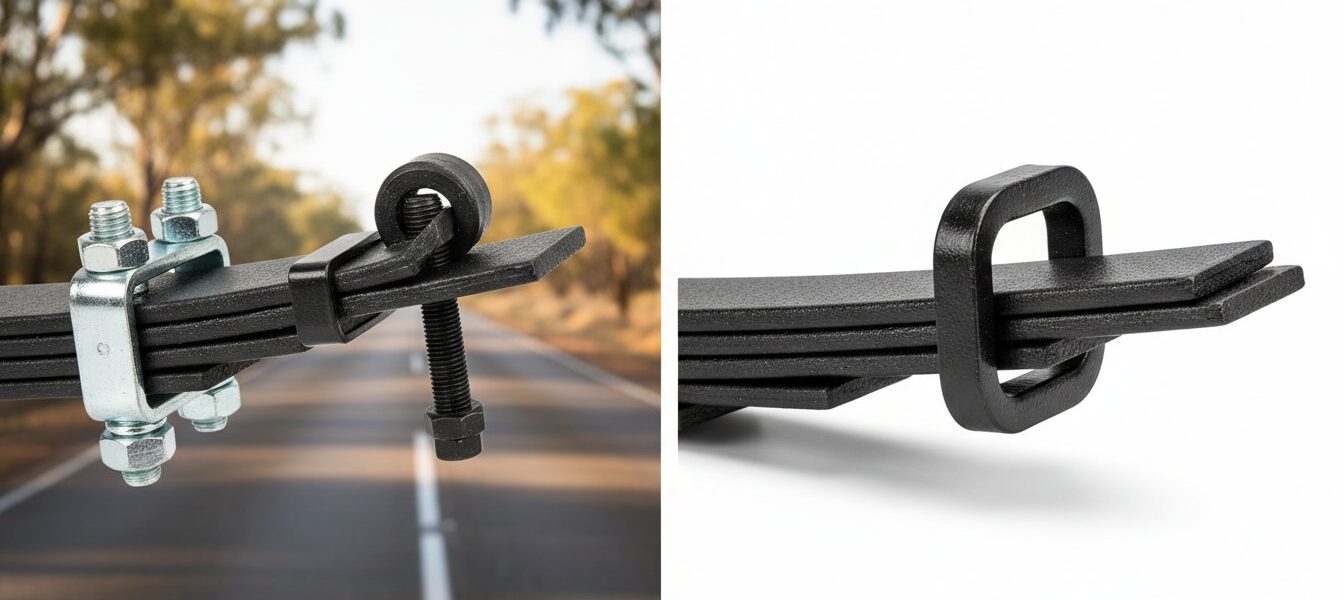
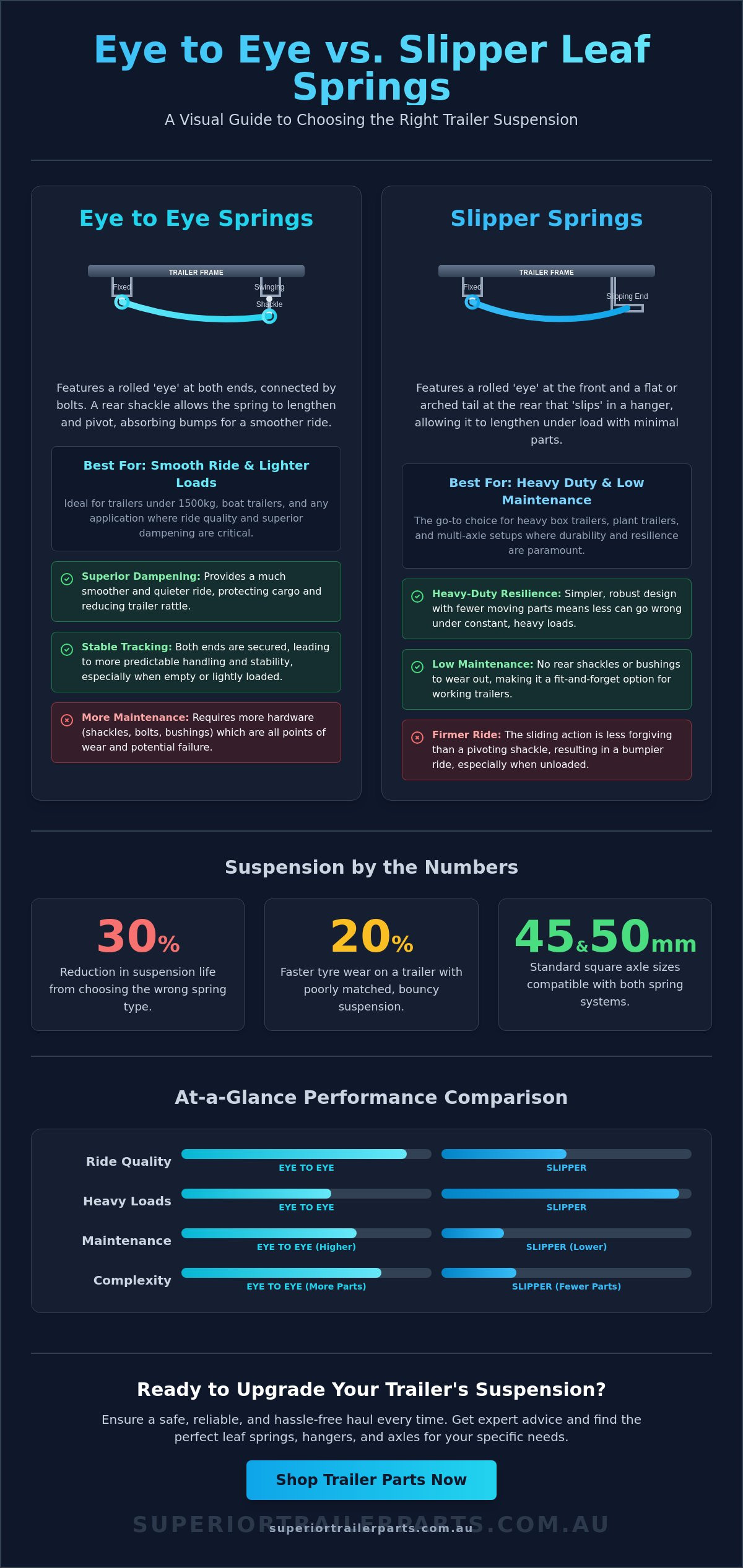
Eye to eye springs, often called double eye springs, feature a rolled “eye” at both ends. These connect to the hangers using shackle bolts. Slipper springs have a rolled eye at the front and a flat or arched tail at the rear that “slips” inside a hanger. Each design handles load expansion differently. This choice impacts the longevity of your axles and the frequency of your maintenance schedule.
The Mechanics of Eye to Eye (Double Eye) Springs
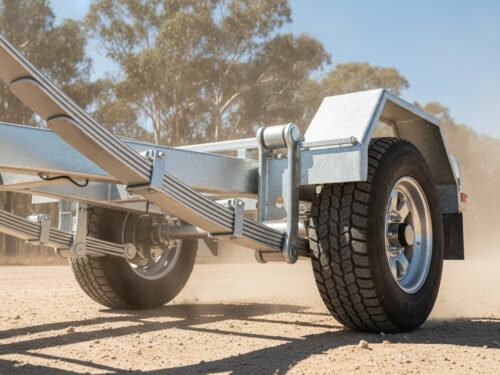
The eye to eye system uses a shackle and hanger arrangement to allow for spring expansion. As the trailer hits a bump, the spring flattens and grows in length. The rear shackle swings to accommodate this movement. This design provides a smoother ride because both ends of the spring are secured but flexible. High-quality leaf springs in this category, such as 5 leaf eye to eye springs, rely on nylon or brass bushings. These bushings prevent metal-on-metal contact and reduce noise. If these wear out, you will experience a “sloppy” ride and accelerated hanger wear. Most Australian trailers rated for 1500kg or less use this configuration for its superior dampening qualities.
The Mechanics of Slipper Spring Systems
Slipper spring systems are designed for simplicity and heavy-duty resilience. The front eye is bolted to a fixed hanger, while the rear end remains free to slide within a slipper box or equalizer. This setup uses fewer moving parts than a double eye system. There are no rear shackles or extra bolts to vibrate loose. This makes 4 leaf slipper springs a reliable choice for box trailers and plant trailers that face constant vibration. They are particularly effective in multi-axle setups where the sliding action allows for better load sharing between axles on uneven ground. While the ride is firmer, the reduced maintenance requirements are a significant advantage for working trailers.
Proper suspension selection directly affects your bottom line. A trailer that bounces excessively will wear through a set of tyres 20% faster than a well-dampened unit. By understanding the mechanical trade-offs of eye to eye vs slipper springs, you can build a trailer that remains stable under full load and lasts for years on the road.
Mechanical Differences and Component Requirements
The hardware you choose determines how your trailer handles 100km/h on the highway. In the eye to eye vs slipper springs comparison, eye to eye systems require a more complex mounting kit. You need front hangers, rear hangers, shackle plates, and shackle bolts. This setup allows the spring to pivot at both ends. Slipper systems use a front hanger and a rear “slipper” hanger where the spring tail simply rests and slides. While slipper springs are easier for DIY builds due to fewer alignment points, they don’t offer the same pivot range as double eye versions.
Axle placement is another critical factor for trailer stability. Most builders choose between over-slung (axle on top of the spring) or under-slung (axle beneath the spring) configurations. Under-slung setups provide more ground clearance, while over-slung lowers the centre of gravity for better high-speed tracking. Both spring types are compatible with standard trailer axles such as 45mm or 50mm square options. Selecting the right configuration depends on whether you’re building a low-profile car carrier or a high-clearance off-road trailer.
Hangers, Shackles, and Bolts
Eye to eye springs rely on shackle plates to facilitate the “swing” as the spring flattens under load. This requires four shackle bolts per spring, which adds more points of potential wear. Slipper hangers are designed to protect the spring tail from excessive friction as it moves. You must select high-tensile u-bolts that match your spring width, which is typically 45mm or 60mm in the Australian market. For a detailed comparison of the two, look at how the slipper hanger eliminates the need for rear bushings, reducing the number of parts that can perish over time.
Tandem Axle Considerations
For tandem setups, the equalizer is the heart of the system. It balances the load between the front and rear axles to prevent one axle from taking the full force of a pothole. Slipper springs are the industry standard for tandem box trailers because they handle high-frequency vibrations with fewer components. However, for those seeking maximum durability on rough terrain, rocker roller spring sets offer a superior load-sharing alternative to basic eye to eye setups. If you’re building a new chassis or upgrading an old one, browse our range of leaf springs to find a kit that matches your weight requirements.
Installation complexity is often the deciding factor for home builders. A slipper system is straightforward because the rear hanger doesn’t require precise shackle angle calculations. An eye to eye system requires the hangers to be spaced perfectly to ensure the shackle plates sit at a 45-degree angle when the trailer is empty. Get this wrong, and the suspension will lock up or flip the shackles, leading to a dangerous towing experience.
Comparing Ride Quality, Durability, and Load Performance
Slipper springs, by contrast, offer a more rigid ride. When a trailer is empty, the rear tail of a slipper spring often bounces within the hanger, creating a distinct mechanical clunk. While this noise is harmless, it indicates a less refined dampening system. However, this rigidity becomes an asset under maximum load. Slipper systems are often rated for higher weight thresholds, making them the preferred choice for 3.5-tonne tandem setups where durability outweighs ride comfort.
Ride Smoothness and Vibration Dampening
A 5 leaf eye to eye spring setup reduces road shock transferred to the chassis by approximately 25% compared to a standard slipper setup. This makes them ideal for boat trailer parts where hull protection is the priority. Conversely, a 4 leaf slipper spring can feel harsh on uneven bitumen when the trailer is unladen. This stiffness ensures the spring doesn’t bottom out under heavy gravel or soil loads, providing a reliable platform for workhorse box trailers.
Long-term Durability and Maintenance
Maintenance requirements differ significantly when comparing eye to eye vs slipper springs. In an eye to eye system, the nylon or brass bushings are the primary wear point. These typically require inspection and potential replacement every 10,000 kilometres or 12 months. If neglected, the steel bolts will eventually ovalise the hangers, leading to an expensive repair. This design is more vulnerable to fine dust and grit which can act as an abrasive inside the bushings.
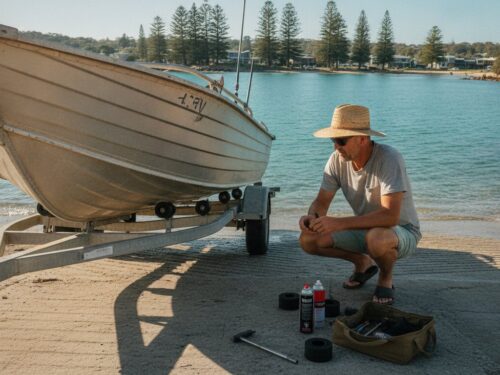
Slipper springs face steel-on-steel friction at the rear hanger. While this design is resistant to debris like mud and gravel, it requires regular lubrication with heavy-duty grease to prevent premature thinning of the spring tail. For trailers operating in coastal environments, material choice is critical. Black steel springs can show signs of surface rust within 6 months of salt air exposure. We recommend galvanised leaf springs for any marine application to ensure a service life of 5 to 7 years in harsh Australian conditions.
Selecting the Ideal Spring for Your Trailer Application
Choosing between eye to eye vs slipper springs requires an honest assessment of your trailer’s primary mission. While mechanical differences matter, the real-world application dictates which system will survive the next 50,000 kilometres. Box trailers, boat trailers, and heavy plant equipment each place unique stresses on a suspension. You don’t want a system that is too stiff for a light load or too complex for a salt-water environment.
Light-Duty vs. Heavy-Duty Needs
For standard 750kg GTM trailers, simplicity is your best ally. A 4-leaf slipper spring is the industry standard for these builds. It is cost-effective and rugged enough for local hauling. If you’re upgrading your box trailer for more frequent highway use or carrying loads closer to 1500kg, moving to a 5-leaf eye to eye spring is a smart investment. The added shackle movement provides the dampening needed to prevent the trailer from “walking” across the lane at 100km/h. This stability reduces driver fatigue and protects your tyres from scrubbing.
Specialty Trailers: Jet Skis and Plant Trailers
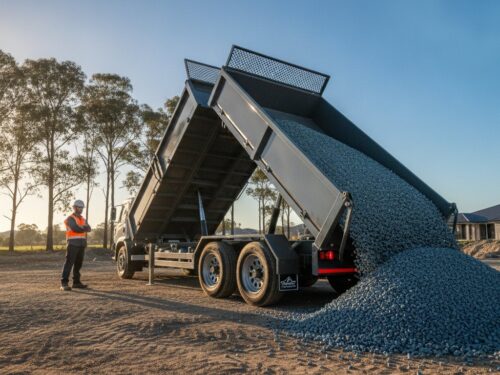
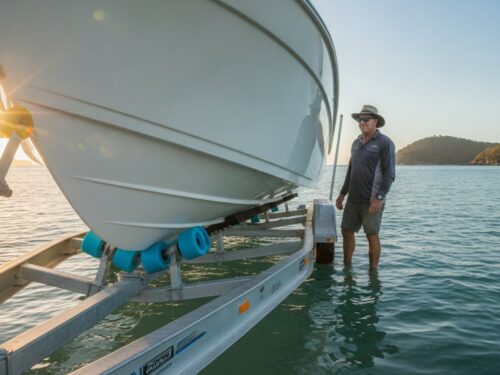
Marine environments demand a specific approach. Jet ski trailers often use light-duty slipper springs because they’re submerged frequently. The lack of rear bushings in a slipper setup means there are fewer parts to trap salt and grit. This reduces the risk of the suspension seizing after a season on the coast. For the opposite end of the spectrum, hydraulic tippers and plant trailers require maximum load-bearing rigidity. These heavy-duty applications favour slipper setups or rocker roller systems because they handle the massive downward force of a 3.5-tonne load without the lateral sway sometimes found in tall shackle setups.
Road conditions are the final deciding factor. If your route consists of 90% bitumen, the precision of an eye to eye system is hard to beat. However, if you’re tackling corrugated dirt tracks or construction sites, the “bulletproof” nature of a slipper spring is the logical choice. There are no shackle plates to bend and no rear bolts to snap under extreme articulation. If you’re ready to upgrade your suspension for a specific job, buy genuine trailer parts from an Australian-owned specialist who understands our local conditions.
Maintenance, Replacement, and Upgrading Your Suspension
Trailer suspension isn’t a “set and forget” component. Regular inspection prevents costly roadside failures and ensures your load remains stable. Metal fatigue is inevitable, especially when hauling heavy equipment across uneven Australian terrain. When deciding between eye to eye vs slipper springs for a replacement, you must first identify signs of failure. Look for sagging where the trailer sits lower on one side, or flattening where the spring arch has disappeared. Hairline cracks near the eyes or the centre bolt indicate the steel has reached its elastic limit and requires immediate replacement.
Measuring for replacements requires precision to avoid hanger misalignment. For eye to eye springs, measure the distance between the centres of the two eyes while the spring is unladen. For slipper springs, measure from the centre of the front eye to the very end of the tail. Using incorrect lengths will force the hangers out of alignment, leading to “walking” axles that destroy your tyres in fewer than 500 kilometres. Don’t reuse old hardware. Always replace your shackle bolts and bushings during a spring swap. Reusing worn bolts on new leaf springs causes immediate vibration issues and accelerates wear on your hangers.
Inspection Checklist for Trailer Springs
A thorough 10,000 kilometre service or annual check should include a suspension audit. Focus on these three areas to maintain roadworthiness:
- Walking Axles: Check for shackle bolts that have worn through their bushings. This allows the axle to shift slightly, causing the trailer to “dog track” or pull to one side.
- Rust Jacking: Inspect the gaps between leaf layers. When rust builds up between leaves, it can increase the stack thickness by 10% to 15%, putting immense stress on the u-bolts and centre bolt.
- Lubrication: Slipper tails require a coating of heavy-duty grease to reduce friction against the hanger. Eye to eye bushings are often dry-running nylon, but brass bushings require regular greasing via wet bolts to prevent seizing.
Sourcing Quality Replacement Parts
Upgrading your system from slipper to eye to eye involves welding new hangers to the chassis. This is a significant task, but it’s worth the effort if you seek a noticeable improvement in ride quality for long-distance towing. For most utility trailers, sticking with the original design is the most practical solution. Ensure you source genuine Australian-tested components to handle our unique climate and load demands. For more details on maintaining your rig, consult our resource on essential trailer parts. We provide expert advice to help you select the right spring capacity for your specific GVM, ensuring your trailer remains a reliable asset for the long haul.
Optimise Your Trailer for the Long Haul
Selecting the right suspension ensures your trailer remains a reliable asset rather than a maintenance liability. The decision between eye to eye vs slipper springs depends on whether you prioritise the superior dampening of a shackle system or the rugged simplicity of a sliding tail. As discussed, a reduction in road vibration can significantly extend the life of your boat hull or sensitive cargo. For heavy-duty workhorse trailers, the low-maintenance profile of a slipper setup provides a practical return on investment for your chassis longevity.
Superior Trailer Parts is Australian Owned and Operated and has been a trusted supplier in the transport industry for many years. We understand the harsh conditions your equipment must endure on and off the bitumen. We offer nationwide shipping on all trailer components and provide expert advice to both DIY owners and professional fleet managers. Don’t settle for subpar components that compromise your road safety or lead to premature tyre wear. Browse our heavy-duty range of Australian-tested leaf springs to find the perfect fit for your next build or repair. Get the job done right with gear built for the Australian road.
Frequently Asked Questions
Is an eye to eye spring better than a slipper spring?
Neither is universally superior; the choice depends on your specific hauling needs. Eye to eye springs provide 25% better vibration dampening, making them the preferred choice for fragile cargo or boat hulls. Slipper springs offer a more robust, low-maintenance design that is ideal for heavy-duty commercial trailers and off-road environments.
Why are slipper springs so noisy on my trailer?
Slipper springs are noisy because the rear end of the spring is not fixed to a bolt. When your trailer is empty or hits a bump, the spring tail bounces inside the steel hanger box. This metal-on-metal contact creates a distinct clunking sound, which is a normal mechanical characteristic of this suspension type.
Can I replace eye to eye springs with slipper springs?
You can switch types, but it is not a direct bolt-on replacement. The eye to eye vs slipper springs mounting distances usually differ by approximately 30mm to 50mm. You’ll need to grind off the existing hangers and weld new ones in the correct positions to ensure the axle remains square.
How many leaves do I need in my trailer springs?
Leaf count must match your Gross Trailer Mass (GTM). A standard 750kg trailer typically uses a 4-leaf spring setup. For loads reaching 1500kg on a single axle, you’ll generally require 5 to 7 leaves. Always choose a spring rating that exceeds your maximum expected load by at least 10% for safety.
Do slipper springs require lubrication?
Yes, slipper springs require regular maintenance to prevent friction wear. Apply a layer of heavy-duty grease to the rear slipper hanger every 5,000 kilometres or six months. This lubrication protects the spring tail from thinning out and helps reduce the mechanical noise during transit.
What causes a trailer leaf spring to break?
Overloading is the cause of 60% of leaf spring failures. Stress fractures usually develop near the centre bolt or the front eye when the GTM is exceeded. Severe rust jacking between the leaves also accounts for 15% of breakages, as it weakens the steel and prevents the leaves from sliding correctly.
Are galvanised springs better for boat trailers?
Galvanised springs are essential for any trailer exposed to salt water. The zinc coating provides a sacrificial barrier that prevents the base steel from oxidising. These springs typically last 3 to 5 years longer than black steel alternatives in coastal environments, saving you from frequent and expensive suspension overhauls.
How do I know if my trailer suspension is worn out?
Check for visible sagging or a loss of arch height. If the trailer’s ground clearance has dropped by more than 15mm from its original factory height, the steel has likely fatigued. Inspect the bushings for slop and look for ovalised bolt holes in the hangers, which indicate the system is finished.