What if the component you trust to hold your load is the very thing that puts your vehicle off the road? In australia, the combination of extreme heat, coastal salt, and corrugated tracks means standard trailer parts often fall short of what’s required for long-term reliability. You likely know that keeping a trailer roadworthy is a constant battle against harsh environmental conditions and shifting regulations. It’s frustrating when confusion over Australian Design Rules (ADR) leads to compliance issues or mechanical failure in the middle of a haul.
We understand you need gear that works without the marketing fluff. This article identifies the essential standards and high-performance components required for safe towing across our demanding terrain. You’ll learn how to maintain compliance with national laws, such as the VSB1 Revision 6 standards, and reduce maintenance downtime by choosing heavy-duty hardware. We’ll preview the specific requirements for braking systems on trailers over 750kg GTM, safety chain ratings under AS 4177.4, and how to secure reliable parts delivery nationwide.
Key Takeaways
- Understand how extreme temperatures and coastal salinity impact tyre pressure and component durability.
- Verify that your trailer complies with mandatory Australian Design Rules (ADR) and safety chain standards for legal use throughout australia.
- Identify why heavy-duty axles and specific spring types are essential for maintaining stability on varied road surfaces.
- Use a targeted maintenance checklist to monitor bearings, tyres, and electrical systems before they cause significant downtime.
- Learn how to source marine-grade and galvanised parts with the benefit of expert advice and national shipping.
The Demands of Towing in the Australian Environment
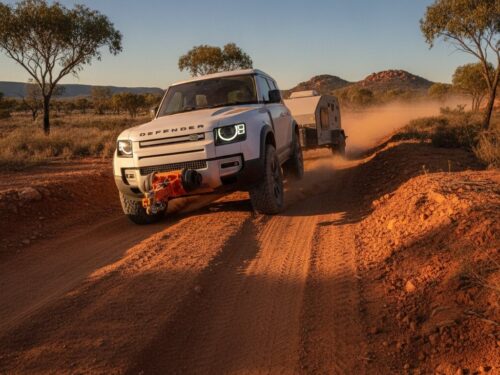
Australia presents a unique set of challenges for any towing setup. Extreme temperature fluctuations are common, often swinging from freezing desert nights to 40-degree days. These shifts directly impact tyre pressure and the consistency of bearing grease. When grease thins out in high heat, it fails to lubricate effectively, leading to seized bearings on remote tracks. Reliability is paramount because service hubs are often hundreds of kilometres apart. You can’t afford a mechanical failure when help is six hours away.
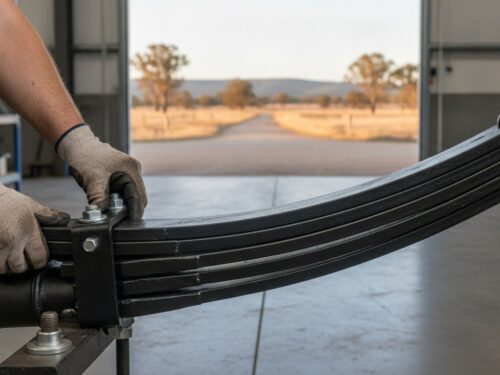
Corrugated roads and unsealed tracks act like a giant vibration machine for your trailer. This constant rattling can shear bolts, crack standard frames, and rattle electrical connections loose. Standard leaf springs often snap under the stress of repetitive high-frequency vibrations found on unsealed roads. Heavy-duty suspension systems are the only way to absorb these impacts and protect your load. You need components engineered for resilience, not just for the occasional weekend trip on bitumen.
Heat and Dust Management
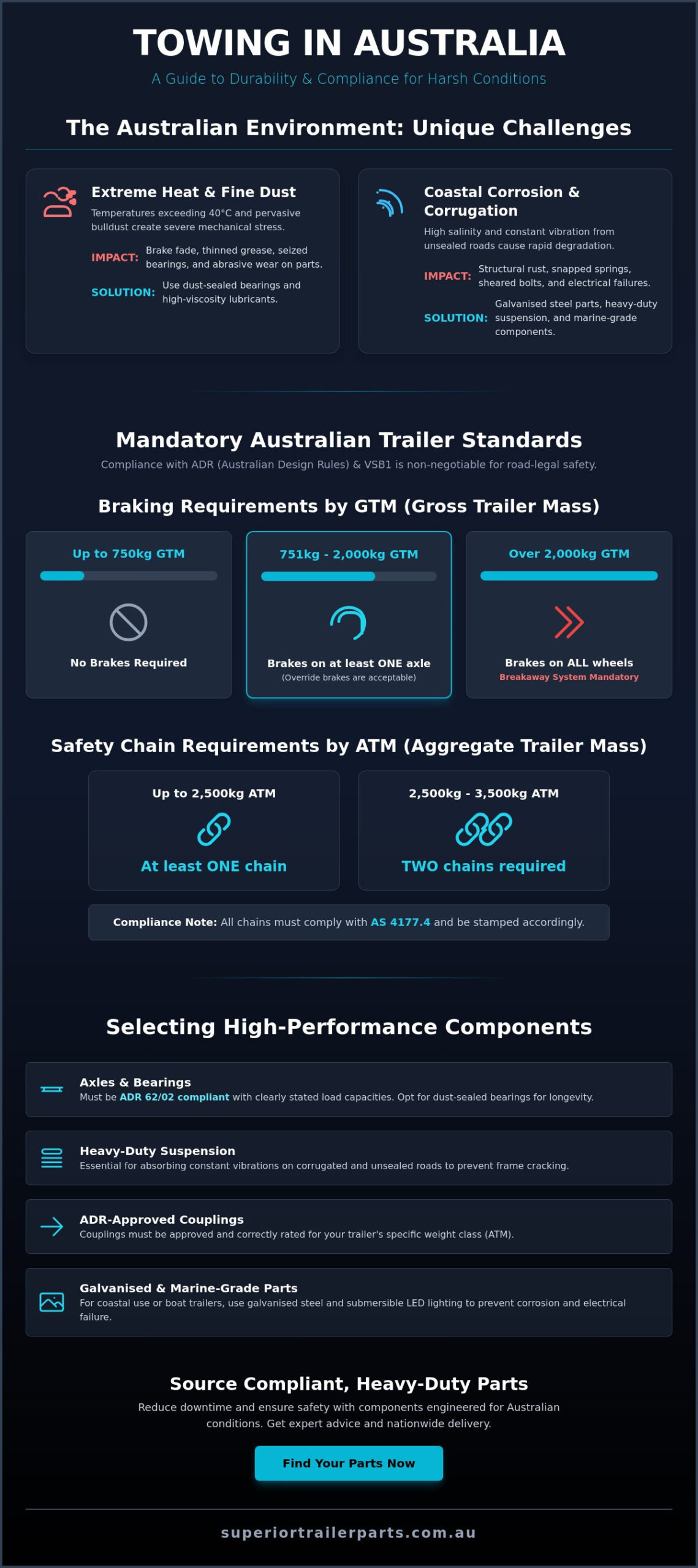
High ambient temperatures significantly reduce braking efficiency. Brake fade occurs when drums or discs cannot dissipate heat fast enough, which is a common issue during long descents in the outback. Dust is another silent killer. Fine bulldust penetrates standard seals, grinding away at moving parts like a polishing compound. Use dust-sealed bearings to keep contaminants out and ensure you select lubricants that maintain their viscosity even in 40-degree heat. Reliable electrical links are also vital; you should check your setup against Australian trailer connector standards to ensure consistent power for brakes and lights.
Corrosion Resistance on the Coast
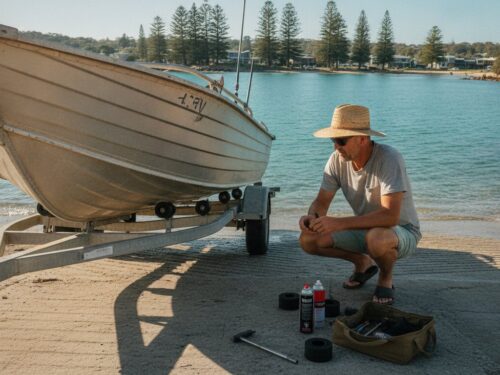
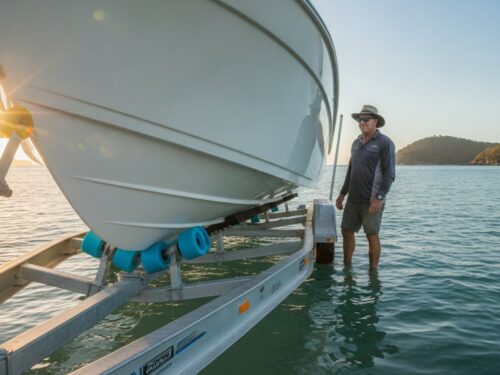
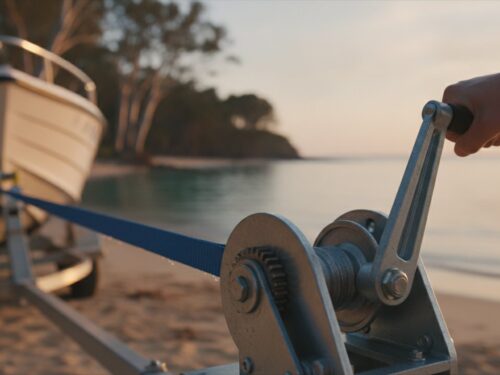
Coastal regions introduce high salinity that eats through bare metal in weeks. Galvanised steel is the industry standard for trailers in australia, particularly for those used near the ocean. It provides a sacrificial zinc layer that prevents rust from reaching the structural steel. For those launching vessels, submersible LED lighting is mandatory to prevent short circuits and housing failure. Sourcing high-quality boat trailer parts ensures your rollers, winches, and axles survive repeated saltwater immersion. Without marine-grade protection, your trailer’s lifespan will be cut short by structural corrosion and electrical failure.
Essential Trailer Standards and Regulations in Australia
Compliance with national towing laws is the only way to ensure your trailer is road-legal and safe. In australia, all trailers must adhere to the Australian Design Rules (ADR) and Vehicle Standard Bulletin 1 (VSB1). These regulations cover everything from mechanical connections to lighting placement. Ignoring these standards leads to fines, voided insurance, and mechanical failure. You must verify that every component on your trailer is rated for its specific Aggregate Trailer Mass (ATM).
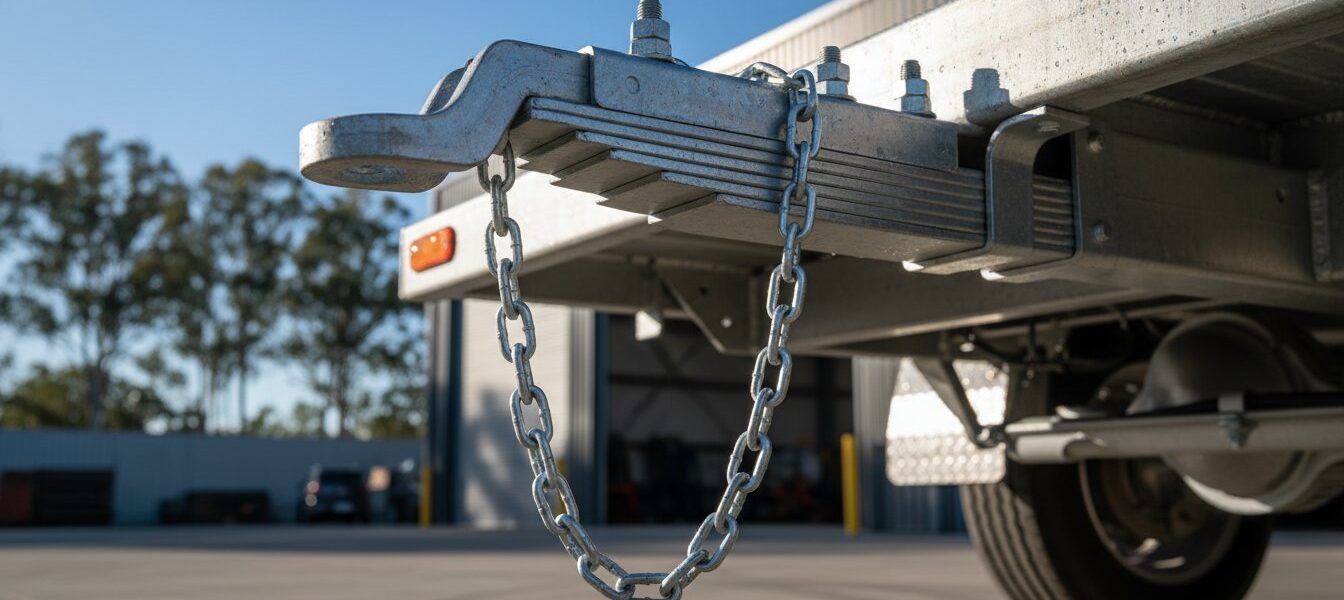
Safety chain requirements are a critical compliance point. For trailers up to 2,500kg ATM, you must fit at least one safety chain. Trailers between 2,500kg and 3,500kg ATM require two chains. These chains must comply with Australian Standard AS 4177.4 and carry the “4177” stamp. If you weld the chain to the drawbar, the weld must cover at least 50% of the link’s circumference. Organizations like the Caravan Industry Association of Australia advocate for these strict safety measures to protect all road users.
- Trailers under 750kg GTM: No braking system is required.
- Trailers 751kg to 2,000kg GTM: Brakes are required on at least one axle. Override brakes are acceptable.
- Trailers over 2,000kg GTM: Brakes must operate on all wheels. A breakaway system is mandatory.
Understanding ADR Compliance
A compliant trailer starts with a solid foundation. You must use genuine axles that feature clearly rated load capacities. Using unrated or undersized axles is a direct violation of ADR 62/02. Look for components that provide technical specifications regarding their material strength and fitment. Couplings must also be ADR-approved and matched to the trailer’s weight class. If you aren’t sure about a part’s rating, contact our team for expert advice on component selection.
Braking Requirements by Weight
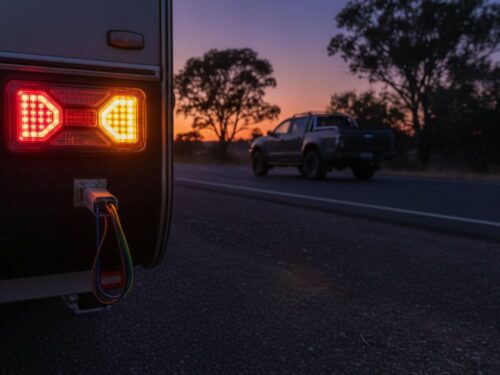
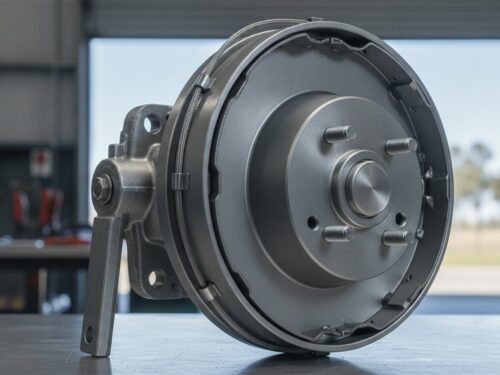
Braking laws become more stringent as weight increases. For trailers exceeding 2,000kg, the braking system must be operable from the driver’s seat. This typically requires an electric brake controller. The mandatory breakaway system must automatically apply the trailer brakes if it becomes decoupled from the tow vehicle. This system must hold the brakes for at least 15 minutes. For lighter loads between 751kg and 2,000kg, mechanical drum brakes or hydraulic surge brakes are often sufficient. Always check that your lighting complies with ADR 13/00, ensuring indicators are amber and stop lights are red for maximum visibility.
Selecting Durable Components for National Conditions
Heavy-duty axles serve as the foundation of any reliable trailer build in australia. You shouldn’t settle for generic components when the integrity of your load is at stake. Selecting the right hardware requires a clear understanding of the specific stresses your trailer will face. High-quality parts significantly reduce the risk of mechanical failure during long-distance transits. When you choose gear engineered for durability, you’re investing in the longevity of your equipment and the safety of your haul.
Structural integrity depends on matching component ratings to your actual usage. Undersized hardware is the primary cause of roadside breakdowns. It’s vital to verify that every bolt, shackle, and bracket meets the required load specifications. Durability isn’t just about strength; it’s about how well a part resists the cumulative fatigue of thousands of kilometres on varied road surfaces. We recommend prioritising galvanised or treated finishes to ensure your investment doesn’t succumb to environmental wear.
Axle and Suspension Choices
Axle geometry plays a major role in trailer strength. Square axles generally provide more surface area for welding and offer higher rigidity than round alternatives. A 45mm square axle is a standard choice for trailers rated up to 1,450kg, while 50mm options are better suited for heavier applications. For long-haul stability, tandem axle setups are the preferred configuration. They distribute the load across four points, which reduces the impact on individual components and improves tracking at highway speeds.
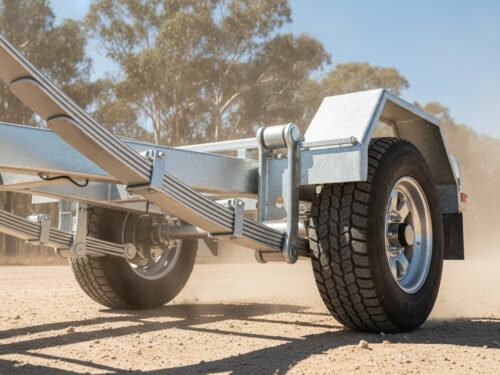
Suspension selection determines how your trailer handles road vibration and corrugated tracks. High-quality leaf springs are the industry standard for their ability to absorb shock and support heavy payloads. Multi-leaf setups allow the trailer to track better on uneven surfaces by providing progressive damping. This prevents the trailer from bouncing excessively when empty while maintaining a firm ride under full load. Proper spring maintenance, including checking for flattened leaves or worn bushes, is essential for maintaining road manners.
Couplings and Hitching Hardware
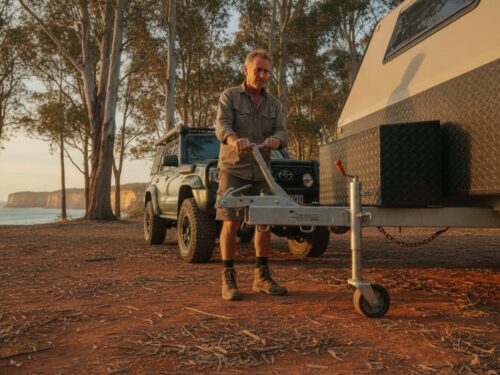
Your connection to the tow vehicle must be absolute. Selecting the correct couplings involves matching the hardware to both the trailer’s ATM and the vehicle’s rated towing capacity. Fixed couplings are suitable for light-duty trailers under 750kg. Once you exceed this weight, over-ride couplings become necessary to manage braking momentum effectively. These units use a sliding mechanism to apply the trailer’s brakes as the tow vehicle slows down.
For those venturing onto unsealed tracks, poly-block couplings offer a distinct advantage. Unlike traditional ball hitches that can bind on steep angles, poly-blocks provide 360-degree rotation and high levels of articulation. This flexibility prevents the hitch from snapping or damaging the tow bar during extreme off-road manoeuvres. Always ensure your hitching hardware is stamped with its maximum load rating to remain compliant with national standards.
Maintenance Checklist for Reliable Towing Australia-Wide
Mechanical neglect is the leading cause of roadside failure in australia. A systematic maintenance routine ensures your trailer remains roadworthy across vast distances where help is rarely close. You shouldn’t wait for a component to fail before replacing it. High-wear areas like bearings, tyres, and electrical connections require constant monitoring to handle the stress of heavy loads. Keeping a log of part replacements helps you track service intervals and predict when hardware needs attention. This proactive approach saves time and prevents expensive recovery fees in remote regions.
Pre-Trip Inspection Routine
Check your tyre pressure before every journey. Heat-related wear is aggressive on under-inflated tyres, often leading to blowouts at highway speeds. A 10% drop in pressure can significantly increase rolling resistance and heat buildup. Inspect the tread for uneven wear, which usually indicates an alignment issue or a bent axle. Test all lighting circuits and your trailer plug. Corroded pins are common in coastal areas and cause intermittent signal failure. Verify the security of all U-bolts and suspension fasteners. These can vibrate loose on corrugated tracks, leading to leaf spring displacement and poor tracking.
Wheel Bearing and Brake Care
Seized bearings are a primary cause of trailer fires and axle damage. Jack up each wheel and spin it to identify worn components. Listen for any grinding or rumbling sounds. If there’s lateral movement in the wheel, the bearings need immediate adjustment or replacement. Maintaining your brakes is equally vital for consistent stopping power. Check the adjustment on mechanical or electric drums every 5,000 kilometres to ensure even braking across all wheels. For detailed servicing steps and technical data, consult our trailer parts resource to ensure you have the correct specifications for your setup. If you find any damage during your inspection, contact us for expert advice on selecting the right replacement hardware.
Sourcing Quality Trailer Parts with Australia-Wide Delivery
Finding reliable components shouldn’t be a struggle, regardless of your location. Superior Trailer Parts provides national shipping to ensure every region in australia has access to high-performance hardware. We operate as an Australian owned and operated business. This means we understand the local infrastructure and the specific demands of our transport industry. You get competitive pricing on galvanised and heavy-duty parts without sacrificing quality. Our focus remains on providing gear that stands up to the stress of our unique environment.
National Logistics and Support
Shipping bulky items like axles or complete trailer kits requires specialized logistics. We manage this process to ensure your order arrives intact and on time. Our team provides technical support for every purchase. This expert advice helps you avoid compatibility issues before they happen. Local knowledge is essential when you’re preparing a vehicle for the outback. We know which seals hold up against bulldust and which coatings survive coastal salt. We ship to all states and territories, ensuring that remote operators aren’t left without essential gear.
Our communication rhythm is brisk and highly efficient. We respect your time because we know a vehicle off the road costs money. Information is delivered in a logical, step-by-step flow from the moment you identify a need to the delivery of the solution. There is no dead air in our process. Every interaction is engineered to facilitate a purchase and get your equipment moving again. This commitment to service is why we remain a trusted resource for the transport sector.
Contact Our Expert Team
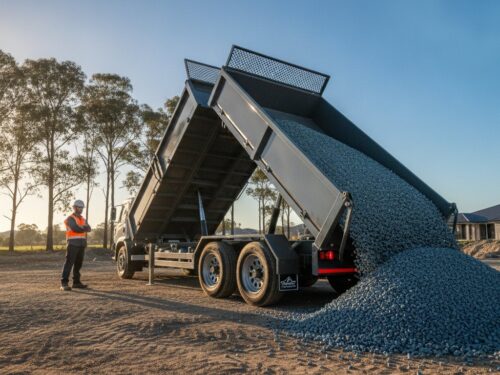
Our range includes everything from individual components to fully welded box trailers and hydraulic tippers. If you manage a fleet or are starting a DIY build, we provide the technical specifications needed for a successful project. Our experts can guide you through selecting the correct load-rated axles or marine-grade lighting for your specific application. Contact us for specific part enquiries or to get a shipping quote for heavy freight. We offer the practical solutions and honest advice you need to maintain a safe and compliant trailer.
Maintain Safety and Compliance on the Road
Safe towing in australia requires more than just a hitched trailer. It demands a rigorous approach to ADR compliance and a commitment to using heavy-duty hardware. You’ve seen how environmental stressors like heat and salt degrade standard equipment. By choosing rated axles and maintaining your wheel bearings according to a systematic checklist, you eliminate the guesswork from your next journey. Reliable performance is the result of using components engineered for the specific load and terrain you face.
Shop our full range of trailer parts with Australia-wide shipping to ensure your setup meets national standards. Don’t leave your safety to chance; get the job done right with reliable gear and keep your trailer on the road.
Frequently Asked Questions
What are the main trailer towing regulations in Australia?
National towing standards are governed by the Australian Design Rules (ADR) and Vehicle Standard Bulletin 1 (VSB1). The current standard for trailers with an ATM of 4.5 tonnes or less is VSB1 Revision 6, published on May 2, 2023. These rules dictate requirements for mechanical connections, safety chains, and lighting. Every trailer must have a manufacturer’s plate displaying the Gross Trailer Mass (GTM) and Aggregate Trailer Mass (ATM) to remain road-legal.
Do I need brakes on my trailer in Australia?
Braking requirements are determined by the trailer’s Gross Trailer Mass (GTM). Trailers with a GTM of 750kg or less do not require any braking system. If the GTM is between 751kg and 2,000kg, you must install brakes on at least one axle; override surge brakes are permitted in this weight class. For any trailer exceeding 2,000kg GTM, brakes are mandatory on all wheels and must include a breakaway system that functions for at least 15 minutes.
How often should I service my trailer bearings for Australian conditions?
Service your trailer bearings every 5,000 kilometres or every six months to prevent mechanical failure. In australia, extreme temperature fluctuations and high coastal salinity accelerate the breakdown of bearing grease. If you launch boats in saltwater or travel on unsealed outback tracks, you should inspect and regrease the hubs more frequently. Regular maintenance prevents the heat buildup that causes bearings to seize and damage the axle spindle.
What is the difference between a 7-pin and 12-pin trailer plug in Australia?
A 7-pin plug provides the essential connections for indicators, stop lights, and tail lights required by ADR 13/00. A 12-pin plug contains these same seven circuits but adds five larger pins for high-current applications. These additional pins power internal accessories like caravan fridges, electric brakes, or battery charging systems. Use a 12-pin setup if your trailer requires a constant 12V power supply from the tow vehicle while in transit.
Can I tow a trailer with a standard Australian drivers licence?
Yes, a standard Class C drivers licence allows you to tow a trailer provided the Gross Combination Mass (GCM) stays within your vehicle’s rated capacity. However, learner driver rules vary significantly by state. In New South Wales and Victoria, learner drivers are prohibited from towing any trailer. In Queensland, learners can tow if an ‘L’ plate is visible on the rear of the trailer. Always verify the specific state regulations before your trip.
What is the maximum width allowed for a trailer in Australia?
The maximum allowable width for a trailer is 2.5 metres, excluding mirrors and signalling devices. Specific lighting requirements apply as the trailer gets wider. Any trailer wider than 1.6 metres requires front position lamps. If the trailer exceeds 2.1 metres in width, you must fit front and rear clearance lights to comply with ADR 13/00. Ensuring your trailer stays within these dimensions avoids the need for special wide-load permits or pilot vehicles.
Why should I choose an Australian-owned trailer parts supplier?
Choosing an Australian-owned supplier ensures you receive hardware engineered for our specific environmental extremes. We understand the impact of 40-degree heat and corrugated road surfaces on suspension and braking systems. Local expertise provides you with genuine advice on ADR compliance and part longevity. Supporting a local business also ensures you have reliable access to technical support and accountability for the products you purchase.
Does Superior Trailer Parts ship components Australia-wide?
Yes, we ship all trailer components australia-wide to every state and territory. Our logistics network handles everything from small U-bolt kits to heavy-duty axles and complete box trailers. We prioritise efficient dispatch because we know a vehicle off the road causes significant downtime. You can request specific shipping quotes for bulky items or heavy freight directly through our online store to ensure your parts arrive where they’re needed.