A trailer light kit isn’t truly submersible just because the packaging claims it’s waterproof. Most boat owners have dealt with the frustration of lights failing after a single dip in salt water or chasing electrical shorts through corroded wiring. It’s a common headache that keeps your gear off the road and puts your safety at risk. Choosing a high-quality submersible trailer light kit is the only way to ensure your trailer remains visible and compliant during every launch and retrieve. With reliable LED kits typically ranging from $35 to $50, making the switch to a durable system is a practical investment for any trailer owner.
You need a lighting system that lasts multiple seasons, not just a few trips to the boat ramp. We understand the demand for gear that stands up to harsh marine environments while meeting ADR requirements for road safety. This guide explains how to identify genuine marine-grade components, from sonically sealed housings to heavy-duty wiring harnesses. You’ll learn the specific steps to install your kit correctly, giving you total confidence in your road legality and electrical reliability. We’ll cover everything from trailer width regulations to proper grounding techniques so you can get back on the water without worrying about your electrics.
Key Takeaways
- Understand why IP68 ratings are the standard for marine environments compared to basic waterproof units.
- Identify a high-quality submersible trailer light kit by looking for tinned copper wiring and sonically sealed housings.
- Select the correct harness length and lighting configuration to ensure your trailer meets legal road requirements.
- Discover professional installation techniques for routing electrical wires to prevent snags and long-term corrosion.
- Gain expert advice on sourcing heavy-duty components designed to withstand harsh Australian conditions.
Understanding Submersible Trailer Light Technology
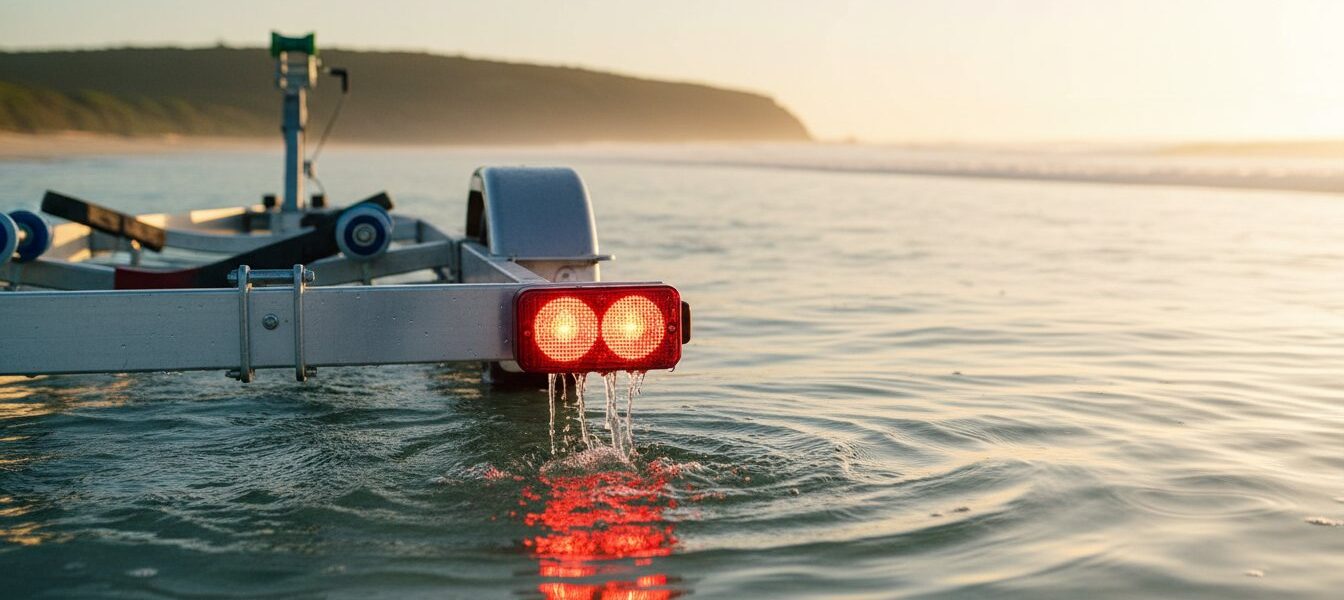
A submersible trailer light kit is a hermetically sealed unit built for full immersion. Unlike standard automotive lamps that rely on simple gaskets, these units use advanced bonding techniques to keep water out under pressure. When you back a boat trailer into the water, the lights are subjected to hydrostatic pressure. If the seal isn’t perfect, salt water will find a way inside. This leads to immediate corrosion and electrical failure. When sourcing boat trailer parts, you must prioritize components that handle salt water without failing.
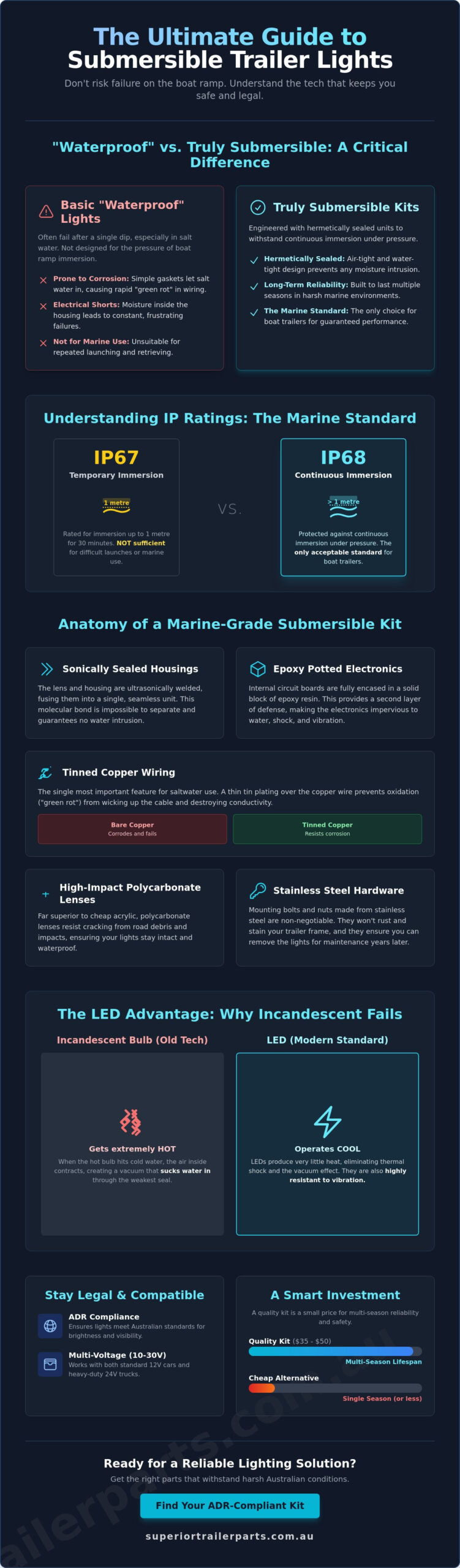
Many retailers use the terms “waterproof” and “submersible” interchangeably, but there’s a technical difference in their IP ratings. IP67 units are rated for temporary immersion, typically up to one metre for thirty minutes. This might survive a quick dip, but it isn’t enough for the demands of marine use. You need IP68 rated lights. This rating signifies that the unit is protected against continuous immersion under pressure. A truly submersible light kit will maintain its seal even when the trailer is parked in the water during a difficult launch.
The Science of Hermetic Sealing
High-quality marine lights use ultrasonic welding to create a permanent bond between the lens and the housing. This process fuses the plastic components at a molecular level, creating a single piece of material that won’t vibrate loose. Inside the housing, manufacturers often use epoxy potting. This involves filling the entire cavity with a specialized resin that encases the circuit board. Even if the outer shell is cracked, the epoxy prevents water from touching the electrical components. This dual layer of protection is what separates a reliable kit from a cheap alternative.
Voltage and Compatibility Standards
Modern tow vehicles vary in their electrical output. Choosing a multi-voltage (10-30V) kit ensures your lights work correctly whether you’re towing with a 12V passenger vehicle or a 24V truck. Internal voltage regulators protect the LEDs from power surges that occur during engine starts or braking. For Australian roads, ADR compliance is non-negotiable. Your lights must meet specific brightness and visibility angles to be legal. Using a standardized trailer connector wiring setup ensures your vehicle communicates correctly with the LED system, maintaining safety and legality across all states.
Key Features of a Reliable Submersible Kit
A reliable submersible trailer light kit is defined by more than just its IP rating. The quality of the materials used in the wiring and housing determines if the system lasts one season or ten. You need components that resist the corrosive effects of salt water while standing up to the physical abuse of the road. High-impact polycarbonate lenses are essential for this reason. They resist cracking from road debris and can handle the occasional knock against a boat ramp without shattering. Choosing a kit with integrated license plate lights and reflectors also ensures you meet legal standards without mounting extra hardware.
Durability extends to the mounting components. Stainless steel hardware is a non-negotiable requirement for marine trailers. Standard zinc-plated bolts will rust almost immediately after immersion, leading to unsightly streaks on your trailer frame and making future maintenance nearly impossible. Adhering to Federal trailer lighting regulations regarding visibility and placement is critical for safety and legality. If you’re upgrading your setup, look for heavy-duty boat trailer parts that include these marine-specific features as standard.
The Importance of Tinned Copper Wiring
Bare copper is a magnet for “green rot” in marine environments. When salt water makes contact with copper, it wicks up the strands through capillary action, often travelling several metres inside the insulation. This oxidation destroys conductivity and causes the wire to become brittle and fail. Tin plating provides a protective barrier that prevents this oxidation and maintains electrical flow over several seasons of salt water exposure. You can identify high-quality wire during purchase by lightly scratching a strand; it should show a silver exterior with a bright copper core.
Harness Design and Connector Quality
Traditional 7-core cable is common but often lacks the protection needed for submersion. Modern plug-and-play harness systems are superior because they reduce the number of manual joins in the circuit. Every splice is a potential failure point where water can enter. When you must make a connection, heat-shrink connectors are mandatory. They use a glue-lined internal sleeve that melts when heated, creating a waterproof seal that standard crimp terminals cannot provide. Protecting these runs with corrugated loom tubing adds a final layer of defense against physical snags and UV damage during long hauls.
Selecting the Right Kit for Your Trailer Type
Selecting a submersible trailer light kit requires more than picking a box off a shelf. You must measure your trailer from the hitch to the rear light brackets. Most kits include a standard harness length, but tandem trailers or long boat trailers often require extended cabling. Avoid splicing wires to reach the back; instead, choose a kit with a harness that reaches comfortably without tension. Splicing creates a potential entry point for salt water, leading to the “green rot” corrosion mentioned in previous sections.
Check your trailer’s width before purchasing. If your trailer is wider than 2.1 metres, you are legally required to fit side marker or clearance lights. These must also be submersible to survive ramp launches. Mounting orientation is another practical consideration. Some kits are designed for horizontal mounting, while others work vertically. Check your trailer frame for existing brackets. Vertical lights are common on upright brackets, while horizontal lights often sit recessed into a rear cross-member. Drilling into a galvanised frame to fit a new light can lead to rust, so matching the light to the existing mount is the smarter move. For temporary use or moving multiple trailers, magnetic tow lamp kits provide a functional solution, though they lack the permanence of a hard-wired system.
Lighting Requirements for Boat and Jet Ski Trailers
Jet ski trailers face the most frequent immersion cycles. These small trailers are often backed deep into the water, meaning the lights spend significant time submerged. High-visibility rear combination lamps are essential for safety during early morning or late evening launches. You need to see the trailer’s position clearly in your mirrors. If your trailer exceeds 2.1 metres in width, waterproof clearance lights are mandatory. These lights signal the trailer’s footprint to other road users, preventing accidents in tight spaces.
Matching the Kit to Your Tow Vehicle
Your vehicle and trailer must be electrically compatible. If your tow vehicle uses a different socket than your trailer plug, high-quality trailer plug adapters provide a quick, reliable fix. Modern vehicles equipped with CAN bus systems often struggle with LED lights. Because LEDs have a low current draw, the vehicle’s computer may trigger a “bulb out” warning. You might need to install load resistors to ensure your submersible trailer light kit functions without error. Determine whether your setup requires a 7-pin or 12-pin plug based on your vehicle’s hardware and any additional power needs, such as electric brakes or battery charging.
Installation and Maintenance for Long-Term Reliability
Proper installation of your submersible trailer light kit determines how many seasons you’ll get out of the system. Start by disconnecting the vehicle battery and removing all existing hardware. Corrosion often hides behind old brackets. Use a wire brush to clean the mounting area back to the galvanised surface before fitting new parts. Feed the new harness through the trailer frame rails. This protects the wiring from road debris and prevents it from snagging during launch. Use rubber grommets wherever the wire enters or exits the steel to prevent vibration from cutting the insulation over time.
Connections are the most vulnerable part of any marine electrical system. Use resin-filled heat shrink for every join to create a 100% waterproof seal. When the heat is applied, the internal adhesive melts and flows around the wires, blocking moisture completely. Once the wiring is secure, test the indicator, brake, and park light functions. It is better to find a fault in your driveway than at the boat ramp. Verifying the circuit early prevents the frustration of troubleshooting in a busy car park.
Wiring Best Practices
Adopt the “loop back” method at the rear of the trailer. By leaving a small drip loop in the wire before it enters the light housing, you prevent gravity from pulling water directly into the electrical entry point. Apply a liberal amount of dielectric grease to the terminals in your trailer plug to stop salt air from corroding the pins. A common mistake is grounding the lights to the trailer frame. Rust and galvanising often create high resistance, which leads to flickering or dim lights. Always run a dedicated ground wire through the harness back to the vehicle connector for a reliable circuit.
Ongoing Maintenance Checklist
Even the best marine-grade gear needs care. Rinse your lights and connectors with fresh water after every salt water immersion to remove salt crystals. Perform a seasonal inspection of the entire wire run, looking for insulation cracks or UV damage. If you notice moisture ingress or fogging inside the lens, the hermetic seal has failed. In this case, replace the unit immediately to prevent the corrosion from spreading up the wiring. For high-quality replacements and electrical accessories, browse our range of boat trailer parts today.
Superior Trailer Parts Solutions
Our Range of Submersible Lighting
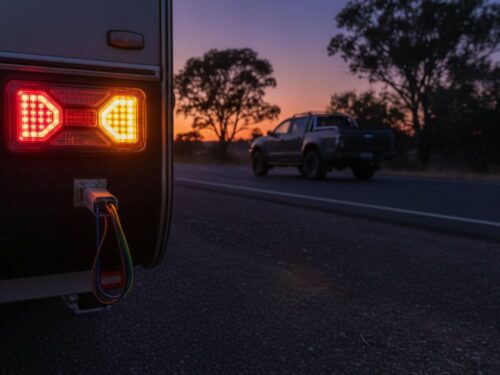
Our inventory features high-performance LED submersible tail lights with integrated reflectors. These units meet all visibility standards while resisting moisture ingress through the hermetic sealing techniques discussed earlier. We supply complete kits that include pre-wired harnesses and plugs to simplify your installation process. This reduces the risk of wiring errors and ensures a reliable connection from the start. If you are performing a full trailer overhaul, we also stock a wide range of couplings and parts. This includes fixed and over-ride options built for heavy-duty use. Sourcing all your components from one specialist ensures compatibility across your entire setup, from the hitch to the tail lights.
Why Choose Superior Trailer Parts
We offer Australia Wide accessibility for all our lighting components and accessories. Your vehicle needs to be back on the road quickly. We prioritize efficient shipping and reliable stock levels to minimize your downtime. Every product we sell focuses on durability and compliance with Australian safety standards. You don’t have to guess if your lighting is road-legal. We stand behind our gear because we know it works in harsh conditions. If you have technical questions or need help with a specific installation, you can contact us for support. Our specialists provide the practical solutions you need to get the job done right. We value honest service and hardworking gear that gets your trailer back in action without the fluff.
Keep Your Trailer Road-Legal and Marine-Ready
Reliable trailer lighting is a matter of safety and legality. You’ve seen that a true submersible trailer light kit requires an IP68 rating and hermetic sealing to survive constant immersion. Cutting corners with standard automotive lamps or poor wiring leads to “green rot” and electrical failure. Stick to tinned copper wiring and resin-filled heat shrink to protect your circuit. Regular maintenance, like freshwater rinsing after salt water use, will extend the life of your gear significantly.
Superior Trailer Parts is Australian Owned and Operated. We understand the harsh conditions your trailer faces every time it hits the ramp. We provide Nationwide Shipping and Expert Technical Advice to help you get the job done right the first time. Don’t risk a fine or a breakdown at the boat ramp with inferior parts.
Shop our range of high-quality submersible trailer light kits to upgrade your setup today. Our heavy-duty components are built to last multiple seasons. Get your trailer back on the road with confidence and enjoy your time on the water.
Frequently Asked Questions
Are all LED trailer lights submersible?
No, only lights specifically rated IP68 are designed for full and continuous immersion. Many standard LED units carry an IP67 rating, which means they handle rain or a quick splash but will fail if left underwater at a boat ramp. Always check the manufacturer’s specifications to ensure the unit is hermetically sealed. A genuine submersible trailer light kit is built to withstand the hydrostatic pressure of deep water without leaking.
How do I know if my trailer light kit is ADR compliant?
Check the lens of the light for a stamped “E” mark or a Component Registration Number (CRN). These markings indicate that the product meets the Australian Design Rules for brightness, colour, and visibility angles. Compliance is vital for road safety and avoiding expensive fines. If the packaging doesn’t explicitly state ADR compliance or show these marks, it may not be legal for use on Australian roads.
Do I need a load resistor for my LED trailer lights?
You only need a load resistor if your tow vehicle’s CAN bus system detects a “bulb out” error or causes the indicators to flash rapidly. LEDs draw very little current compared to old incandescent bulbs; the vehicle’s computer may think the circuit is broken. Installing a resistor or a specialized LED-compatible flasher relay mimics the load of a standard bulb, resolving these electrical communication issues for modern vehicles.
Can I use a submersible light kit on a non-boat trailer?
Yes, installing a submersible trailer light kit on box trailers or car trailers is a smart upgrade for long-term durability. These kits offer superior protection against dust, vibration, and heavy rain compared to standard lighting. While they are engineered for marine use, the heavy-duty construction means they handle harsh road conditions and river crossings better than cheaper alternatives. It’s a practical investment for any hardworking trailer owner.
What is the best way to join wires on a boat trailer?
Use resin-filled heat shrink connectors for every electrical join to prevent water ingress. Standard crimp terminals or electrical tape will fail quickly in salt water environments. The internal adhesive in resin-filled connectors melts when heated, creating a permanent, waterproof barrier around the copper strands. This prevents the “green rot” corrosion that travels up the wiring and destroys your entire lighting system from the inside out.
Why do my trailer lights flicker or dim when the engine is running?
Flickering or dimming is usually caused by a poor ground connection or a significant voltage drop in the circuit. Many owners rely on the trailer frame for grounding, but rust and galvanising create high resistance. Run a dedicated ground wire from each light back to the trailer plug for a stable connection. Also, check that your vehicle’s alternator is providing a steady voltage to the trailer connector through the wiring harness.
How long should a high-quality submersible light kit last?
A high-quality kit can last five to ten years or more if installed correctly and maintained after every trip. While LED diodes themselves are rated for over 50,000 hours of use, the lifespan of the kit depends on the integrity of the seals and the wiring. Rinsing the units with fresh water after salt water immersion and checking for physical damage will keep the system functional for many seasons of use.