Your tandem trailer’s suspension is the only thing standing between a smooth haul and a costly mechanical failure. If you’ve noticed uneven tyre wear or a harsh ride that rattles your cargo, your current setup likely isn’t distributing weight effectively. Rocker roller spring sets are the professional standard for ensuring load sharing across both axles. This isn’t just an optional upgrade. Australian regulations, specifically VSB 1, require tandem axle groups to have a load-sharing suspension to maintain stability and braking performance.
You probably know the frustration of guessing which leaf count or load rating fits your specific trailer frame. It’s a common pain point for fleet managers and individual owners alike. In this article, you’ll discover how rocker roller spring sets improve trailer longevity and provide a more stable towing experience on unpredictable roads. We’ll look at the technical specifications of 5, 7, and 9 leaf configurations to help you ensure your trailer meets Australian standards while protecting your investment.
Key Takeaways
- Understand how rocker roller spring sets function as a load-sharing system to protect your trailer frame and cargo from heavy road impact.
- Learn how the walking beam effect maintains constant tyre contact on uneven surfaces to reduce vibration and component fatigue.
- Match your suspension to the correct Gross Trailer Mass (GTM) to ensure your tandem trailer remains stable and ADR-compliant.
- Implement a proactive maintenance framework using greasable components to extend the service life of your suspension hardware.
- Follow precise installation guidelines for hanger spacing and alignment to achieve optimal load distribution across all wheels.
Understanding Rocker Roller Spring Sets for Tandem Trailers
The Core Components of a Rocker Roller System
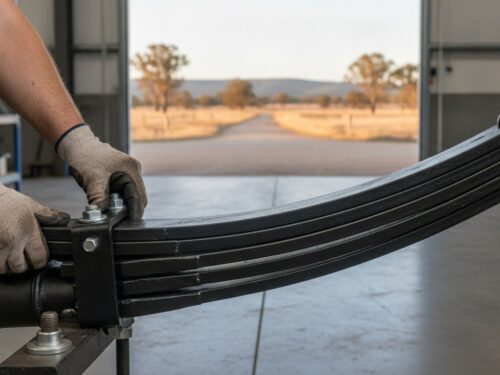
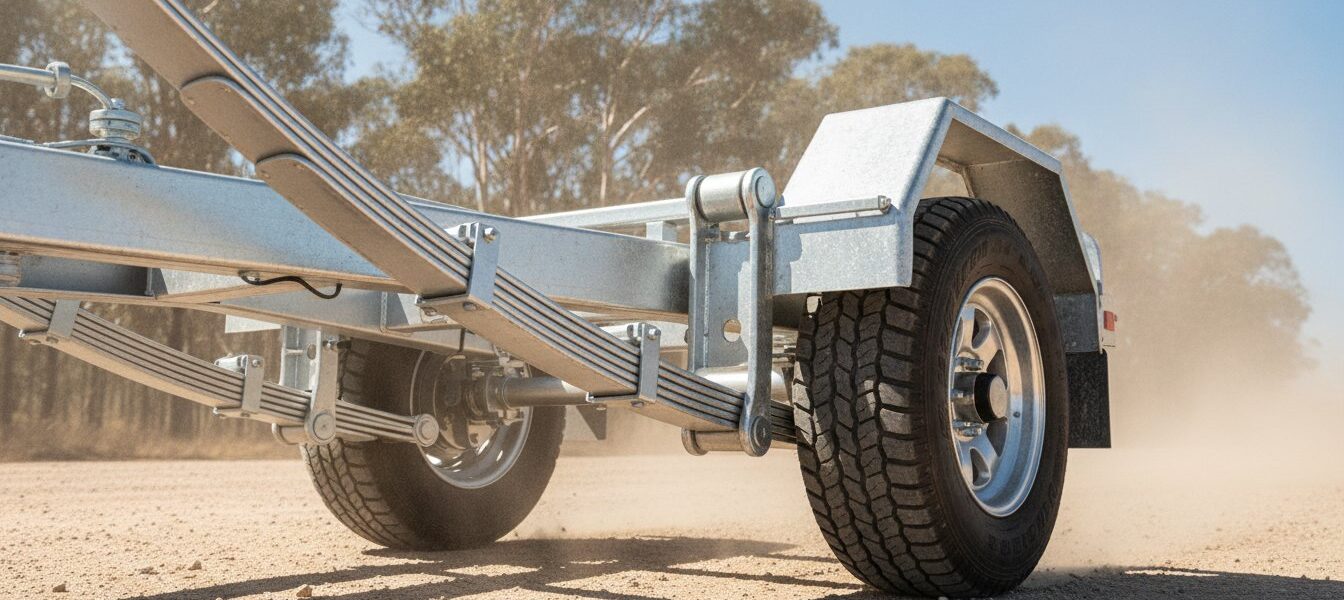
A standard leaf spring suspension setup uses flexible steel plates to absorb vertical shock. In a rocker roller system, these springs connect to a central rocker arm. This arm acts as a heavy-duty pivot point located between the front and rear axles. When the front wheel rises over an obstacle, the rocker arm pivots to push the rear wheel down. This “walking beam” action keeps all four wheels in constant contact with the road surface. The “roller” part of the name refers to the steel rollers or bushes at the end of the springs. These components allow the springs to expand and contract freely as they flex under weight. To handle the high friction of these moving parts, the system uses high-tensile bolts and greasable pins. These parts ensure the assembly doesn’t bind up or wear through the hangers prematurely in harsh conditions.
Rocker Roller vs. Slipper Springs: Key Differences
Choosing between different leaf springs depends on your trailer’s intended use and Gross Trailer Mass (GTM). Slipper springs are simple and cost-effective for single-axle or light-duty trailers. However, they lack a mechanical link between axles in tandem setups. When a slipper spring trailer hits a bump, the load doesn’t share equally between the front and rear axles. This often results in a harsh ride and accelerated tyre wear. Rocker roller spring sets solve this by balancing the load constantly. This reduces stress on the trailer frame and prevents the “bouncing” effect common with basic systems. For trailers rated for 2500kg, 3500kg, or 4500kg GTM, the stability provided by a rocker roller system is a critical safety factor. It keeps the braking force consistent across all wheels, which is vital for meeting Australian Design Rules (ADR) performance standards and VSB 1 requirements.
The Engineering Behind Load Sharing Suspension Systems
The engineering of load sharing suspension revolves around a mechanical concept known as the walking beam effect. This system works because it prioritises physical balance over simple spring tension. In a standard tandem setup without load sharing, hitting a pothole causes one axle to take the entire weight of the trailer while the other hangs in the air. Rocker roller spring sets eliminate this problem through a central pivot point. When the front wheel encounters an irregularity, the rocker arm rotates. This rotation forces the rear axle downward, ensuring that all four tyres maintain constant ground contact. This synchronisation is vital for maintaining traction and ensuring your brakes work effectively on all wheels simultaneously.
Constant ground contact significantly reduces the peak stress placed on the trailer frame. Instead of the chassis absorbing a sudden vertical jolt from a single point, the suspension hardware distributes that energy across the entire axle group. This protection is especially important for trailers carrying fragile cargo or loads with a high centre of gravity, such as livestock or tall machinery. By dampening the transfer of energy, the system prevents the trailer from swaying or “bucking” on uneven Australian road shoulders. If you are building a new setup, ensure your trailer axles are rated to match the capacity of your chosen spring set to maintain this structural integrity.
How Synchronised Axle Movement Protects Your Trailer
Synchronised movement is the primary defence against “axle hop.” This phenomenon occurs during heavy braking when one axle bounces rapidly, losing grip and causing the trailer to skid. The rocker arm in rocker roller spring sets prevents this by mechanically locking the axles into a shared movement pattern. As one axle rises, the other is forced down with equal pressure. This keeps the trailer level and predictable. This level of mechanical control is a key requirement for trailers operating under VSB 1 standards, as it ensures the braking force remains consistent across the entire footprint of the vehicle.
Dampening Road Vibration and Impact
The roller mechanism offers a distinct advantage over traditional slipper springs by reducing internal friction. In a slipper system, the spring end slides against a metal hanger, which can bind or wear through the steel over time. Rocker roller systems use a rolling action that allows the springs to flex and reset with minimal resistance. This creates a smoother transition over bumps and reduces the high-frequency vibrations that lead to metal fatigue in trailer welds. For technical specifications on specifying the right hardware for your load, consult a trailer suspension applications manual to understand the physics of spring deflection. Reducing this friction not only protects the trailer but also leads to more even tyre wear over long-distance hauls. If you notice your current tyres wearing prematurely on one side, it might be time to inspect your leaf springs for signs of binding or failure.
Selecting the Correct Load Rating and Leaf Configuration
Selecting the right rocker roller spring sets isn’t a matter of choosing the highest capacity available. It’s about matching the suspension’s spring rate to your trailer’s Gross Trailer Mass (GTM). If you install a set rated for 4500kg on a trailer that only carries 2000kg, the ride will be excessively stiff. This stiffness causes the trailer to bounce on the road, which leads to structural cracks and damaged cargo. You must also ensure your axle size is compatible with the spring width and U-bolt kit. For example, heavy-duty sets usually pair with 45mm or 50mm square axles to handle the increased torque and weight. The mechanical efficiency of a load-sharing suspension design depends entirely on these components working in unison. You should also consider wheel clearance. Larger 15 inch or 16 inch wheels require specific hanger heights to prevent the tyres from rubbing against the mudguards during full spring compression.
Spring Leaf Counts and Weight Capacities
The number of leaves in a spring pack determines both its weight capacity and its flexibility. We categorise these sets based on common Australian trailer requirements:
- 5 Leaf Sets: These are typically rated for 2000kg to 2500kg tandem applications. They offer a good balance of strength and ride quality for tradesman trailers and heavy-duty box trailers.
- 7 Leaf Sets: This is the industry standard for 3000kg to 3500kg trailers. You’ll find these on most car carriers, large plant trailers, and mid-sized caravans.
- 9 Leaf Sets: These are engineered for industrial loads ranging from 4000kg to 4500kg. They use thicker spring steel to maintain stability under extreme pressure.
Always verify the specific rating of the kit before purchase. It’s better to have a slight margin of safety than to run the suspension at its absolute limit constantly.
Coating Options: Painted vs. Dacromet Finishes
The environment where you use your trailer dictates which finish you need. Standard black painted rocker roller spring sets are cost-effective and suitable for inland use where salt exposure is minimal. However, paint can chip over time, leading to surface rust. For coastal regions or boat trailers, Dacromet is the superior choice. Dacromet is a zinc-flake coating that provides high-grade corrosion resistance without the hydrogen embrittlement risks associated with traditional galvanising. It’s a utilitarian choice for professionals who need their hardware to survive harsh Australian conditions. While a painted set might save money upfront, a Dacromet-coated set often provides better long-term value by resisting the rust that seizes up bushes and rollers.
Installation Procedures and Suspension Maintenance Framework
Correct installation of rocker roller spring sets is the difference between a trailer that tracks true and one that eats tyres. Because this system relies on a central pivot point to share the load, the physical placement of hangers must be precise. Even a few millimetres of misalignment can cause the trailer to crab sideways or put uneven pressure on the axle group. Professional installers always measure from the coupling to ensure the centre hangers are perfectly square to the chassis. This foundation allows the walking beam mechanism to function as intended, protecting both the trailer and the road surface.
Step-by-Step Installation Basics
Start by welding or bolting the centre rocker hanger exactly halfway between your intended axle centres. This placement is critical for equal load sharing. You must ensure the front and rear hangers provide enough travel for the spring to expand under full load without bottoming out. Tighten all spring bolts and shackle pins to the manufacturer’s torque specifications, but don’t over-tighten to the point of binding the moving parts. A final check for axle squareness is mandatory. Measure diagonally from the front corner of the trailer frame to the axle ends. If these measurements are identical, your trailer will track straight and reduce unnecessary drag.
The Greasing and Inspection Protocol
Friction is the primary cause of suspension failure in heavy-duty tandem setups. Most high-quality rocker roller systems use greasable shackle pins to keep the rockers and rollers moving freely. You should apply a high-pressure lithium grease every 5,000 kilometres or more frequently if you operate in dusty job sites or coastal environments. During this process, perform a visual inspection for signs of bush failure. Nylon bushes are common for light loads, but brass bushes offer better longevity for heavy-duty industrial applications. Look for oval-shaped holes in the hangers or flattened spring leaves, which indicate fatigue or overloading. For a more detailed schedule on keeping your running gear in top condition, consult our guide on essential trailer parts.
Maintaining these components ensures your trailer remains compliant with Australian Design Rules (ADR) and stays on the road longer. Replacing worn bushes and pins early prevents damage to the more expensive spring leaves and hangers. If you notice excessive noise or a change in how the trailer handles under load, it’s time to inspect the entire assembly. You can find all the necessary replacement components, from individual pins to full kits, in our online store. Shop our range of rocker roller spring sets and replacement hardware to keep your trailer performing at its peak.
Sourcing Reliable Suspension Hardware for Australian Conditions
Investing in high-quality suspension is a safety-critical decision for any trailer owner. Australian roads, from corrugated regional tracks to high-speed motorways, put extreme stress on mechanical components. Rocker roller spring sets must be manufactured from high-grade steel to resist fatigue and structural failure under load. Sourcing these parts from an Australian-owned specialist ensures you receive hardware designed specifically for these local environments. It also provides a level of operational accountability that unbranded imports cannot match. Because these components are heavy and bulky, we offer nationwide shipping to all regions. This ensures fleet managers and DIY builders can access professional-grade hardware regardless of their location.
Why Quality Components Matter for ADR Compliance
Using certified hardware simplifies the trailer registration and inspection process. Components that meet Australian Design Rules (ADR) provide the documented proof of performance required by transport authorities. This is especially important for trailers with a Gross Trailer Mass (GTM) over 750kg, where braking and suspension performance are closely scrutinized. Risks of using unbranded or under-rated suspension kits include premature spring sagging, snapped shackle pins, or failed hangers. These failures often happen at the worst possible time, such as during heavy braking or on remote roads. For maximum durability, heavy-duty steel options with Dacromet or galvanized finishes offer the best resistance against the elements. Choosing the right finish for your environment, as discussed earlier, prevents the corrosion that leads to seized rollers and unsafe towing conditions.
Getting Expert Support for Your Build
Building or upgrading a trailer requires precise technical knowledge. If you are unsure about leaf counts, hanger spacing, or axle compatibility, you should seek professional advice. We encourage you to contact the team for technical specifications before starting your project. Purchasing complete rocker roller spring sets is usually more efficient than buying individual components. A complete kit ensures that the springs, rockers, pins, and bushes are all engineered to work together. This eliminates the guesswork and compatibility issues that often delay a build. Our online store is designed for quick information retrieval, allowing trade and retail customers to find the exact trailer parts they need. This direct approach to sourcing hardware ensures your trailer remains a reliable asset for years to come. Whether you are maintaining a fleet of tandem trailers or building a custom car carrier, using the right suspension is the foundation of a safe tow.
Maximise Your Trailer Stability and Longevity
Choosing the right suspension is a fundamental requirement for any heavy-duty tandem build. Rocker roller spring sets provide the mechanical load sharing needed to protect your chassis and ensure compliant braking performance on Australian roads. By matching the leaf count to your trailer’s GTM and maintaining a regular greasing schedule, you’ll significantly reduce the risk of component fatigue and uneven tyre wear. This proactive approach to maintenance keeps your trailer on the road and out of the repair shop.
As an Australian owned and operated specialist, we provide the expert technical advice needed to select the correct hardware for your specific application. We support your build with nationwide shipping across Australia, ensuring you have access to professional-grade components wherever your workshop is located. Don’t settle for under-rated suspension when safety is on the line. Browse our range of heavy-duty Rocker Roller Spring Sets to find the right fit for your next project and secure your load with confidence.
Frequently Asked Questions
What is the main advantage of rocker roller springs over slipper springs?
The primary advantage is the ability to share loads between axles. Slipper springs operate independently, which often causes a single axle to carry the entire trailer weight when hitting a bump. Rocker roller spring sets use a central pivot arm to distribute weight equally across all wheels. This reduces peak stress on the trailer frame and prevents the harsh bouncing that leads to cargo damage.
Can I install a rocker roller spring set on a single axle trailer?
No, you cannot use this system on a single axle setup. The engineering relies on a central rocker arm that connects two or more axles together to facilitate load sharing. If you are building or repairing a single axle trailer, you should look at slipper or eye-to-eye springs instead. These are designed for the specific geometry of a single-point suspension.
How do I know if my trailer suspension needs to be replaced?
Check for flattened spring leaves or a trailer that sits lower on one side. Visual signs like oval-shaped holes in the hangers or metal-on-metal contact indicate that your bushes have worn through. If you hear loud clunking noises over bumps or notice that your tyres are wearing unevenly, it’s time to inspect the hardware. Replacing worn components early prevents a full suspension failure on the road.
How often should I grease the pins on my rocker roller set?
Apply high-pressure grease to your shackle pins every 5,000 kilometres for standard highway use. If you frequently drive on dusty job sites or in coastal environments, grease them every 2,000 kilometres to prevent salt and grit from grinding the metal. Using greasable rocker roller spring sets significantly extends the life of your brass or nylon bushes by reducing internal friction.
What leaf count do I need for a 3500kg tandem axle trailer?
A 7-leaf configuration is the industry standard for trailers with a 3500kg Gross Trailer Mass (GTM). This leaf count provides the necessary spring rate to support heavy loads like car carriers or plant trailers without being excessively stiff. It ensures the load-sharing mechanism has enough range to move freely while keeping the trailer stable at highway speeds.
Are rocker roller springs suitable for off-road use?
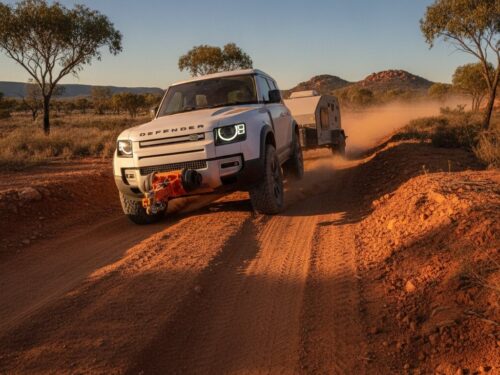
These systems are excellent for corrugated regional roads and graded tracks where maintaining tyre contact is vital. The walking beam effect helps the trailer track smoothly over irregularities that would cause a standard suspension to skip. While they offer great reliability for general off-road haulage, extreme rock crawling usually requires specialized independent suspension for greater axle articulation.
Do I need special tools to install a rocker roller suspension kit?
You don’t need highly specialized equipment, but a heavy-duty torque wrench and reliable jack stands are mandatory. If you are performing a new installation, you will need a welder to attach the hangers to the chassis frame. Precise measurements are the most important part of the process. Use a long steel tape measure to ensure the centre hangers are perfectly square to the coupling.