How much of your actual payload capacity is being sacrificed to a heavy tare weight? If your trailer isn’t engineered correctly, you’re hauling dead weight instead of profit. Reviewing the specific 10×5 hydraulic tipper trailer specs is the only way to ensure your equipment survives the rigours of the transport sector. You need a machine that handles the pressure. Don’t settle for hydraulic rams that fail or drawbars that crack under a heavy load.
You already know that a trailer is only as good as its weakest weld. We’ll provide a clear breakdown of the technical specifications and construction standards required for a professional-grade 10×5 hydraulic tipper. This includes evaluating 50mm square axles and electric drum brakes. We’ll explain how to meet Australian Design Rules and VSB1 standards. We’ll look at the differences between light-duty components and heavy-duty alternatives so you can maximise your payload while maintaining chassis integrity.
Key Takeaways
- Learn how internal bed dimensions and Aggregate Trailer Mass (ATM) ratings determine your legal payload capacity.
- Understand why 4-stage vertical hydraulic rams and specific 12V pump flow rates are critical for achieving reliable tipping angles.
- Identify the structural standards for professional-grade gear, including hot-dipped galvanised finishes and minimum 2.5mm floor thickness.
- Evaluate the performance benefits of 50mm square solid axles and rocker roller suspension for heavy-duty tandem applications.
- Review the essential 10×5 hydraulic tipper trailer specs for ADR compliance, including submersible LED lighting and load-rated safety chains.
Core Dimensions and Load Ratings for 10×5 Hydraulic Tippers
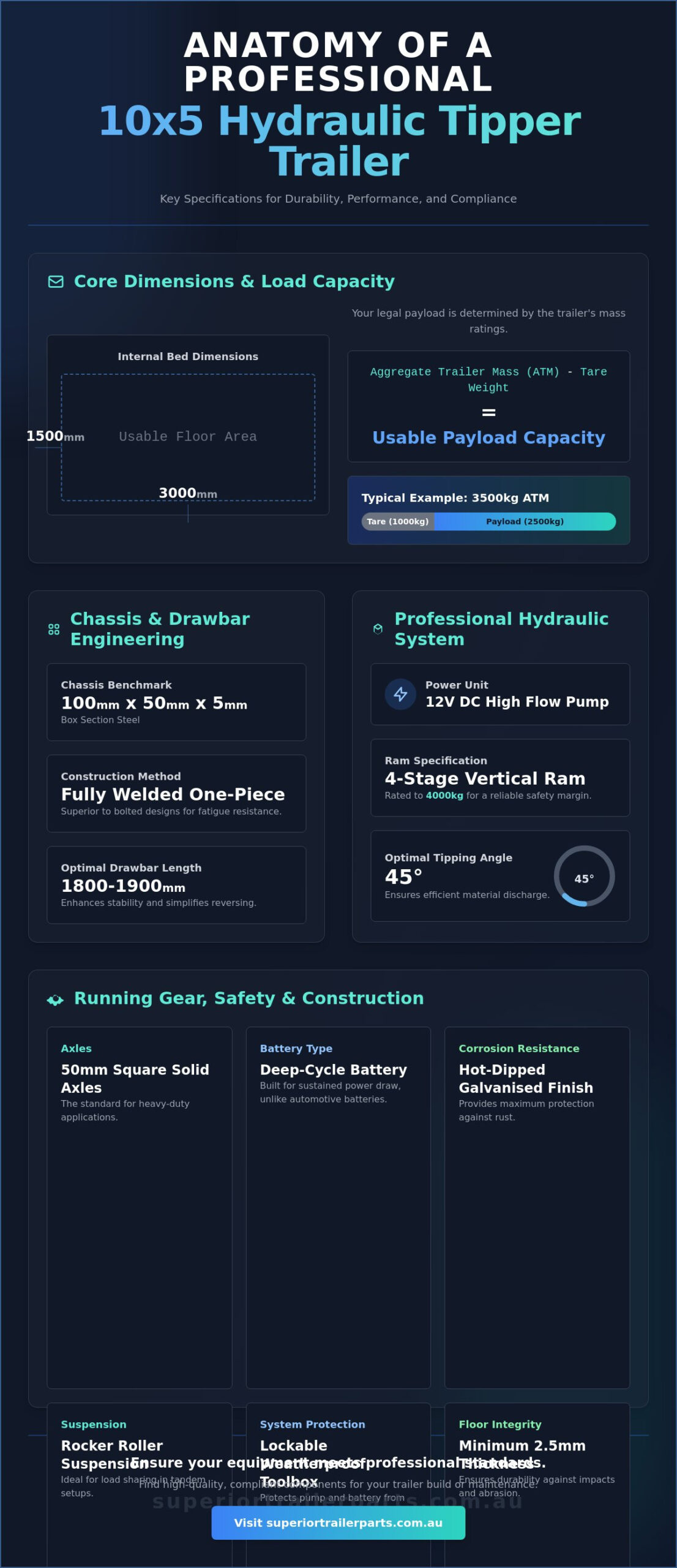
A 10×5 tipper is a workhorse for the construction and landscaping industries. The internal bed size measures exactly 3000mm in length by 1500mm in width. This provides ample space for bulk materials like soil, gravel, or waste. When researching 10×5 hydraulic tipper trailer specs, the internal dimensions are your primary consideration for load volume. These measurements refer to the usable floor area, not the external frame width. A standard Trailer (vehicle) of this size must be built to handle significant vertical pressure during the tipping cycle.
ATM vs GVM: Knowing Your Legal Limits
Most tandem tippers are rated at 3500kg ATM. This rating aligns with standard 50mm axles and 10-inch electric brakes. If you need to haul more, upgrading to a 4500kg ATM is an option. This change requires specific couplings and advanced braking systems. You must also consider the Gross Vehicle Mass (GVM) and the towing capacity of your vehicle. Never exceed the manufacturer’s tow rating. Your trailer choice must match what your truck can legally pull.
Drawbar and Chassis Engineering
Adhering to high-quality 10×5 hydraulic tipper trailer specs requires a robust frame. The industry benchmark for the chassis is 100mm x 50mm x 5mm box section steel. A fully welded one-piece chassis is superior to bolted designs. It prevents structural fatigue and cracking during high-stress tipping operations. The drawbar should measure between 1800mm and 1900mm. This length provides better stability at highway speeds and makes reversing much easier. Short drawbars are difficult to manoeuvre and can lead to jack-knifing. Stick to these engineering standards to ensure your equipment lasts.
The Anatomy of a Professional Hydraulic Tipping System
The hydraulic system is the heart of any tipping operation. It transforms electrical energy from a battery into the mechanical force needed to lift tonnes of material. High-grade components are essential to prevent downtime on the job site. When evaluating 10×5 hydraulic tipper trailer specs, you must look closely at the hydraulic power unit and the telescopic ram. A 12V DC power unit is the industry standard. It uses a high-pressure pump to move hydraulic fluid from a reservoir into the ram. Flow rates matter here. A pump with a low flow rate will tip slowly, which costs you time during a busy day. Seek out units designed for high-cycle reliability and consistent pressure.
Ram Capacity and Tipping Angles
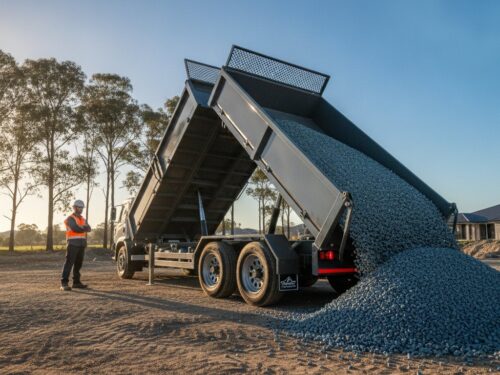
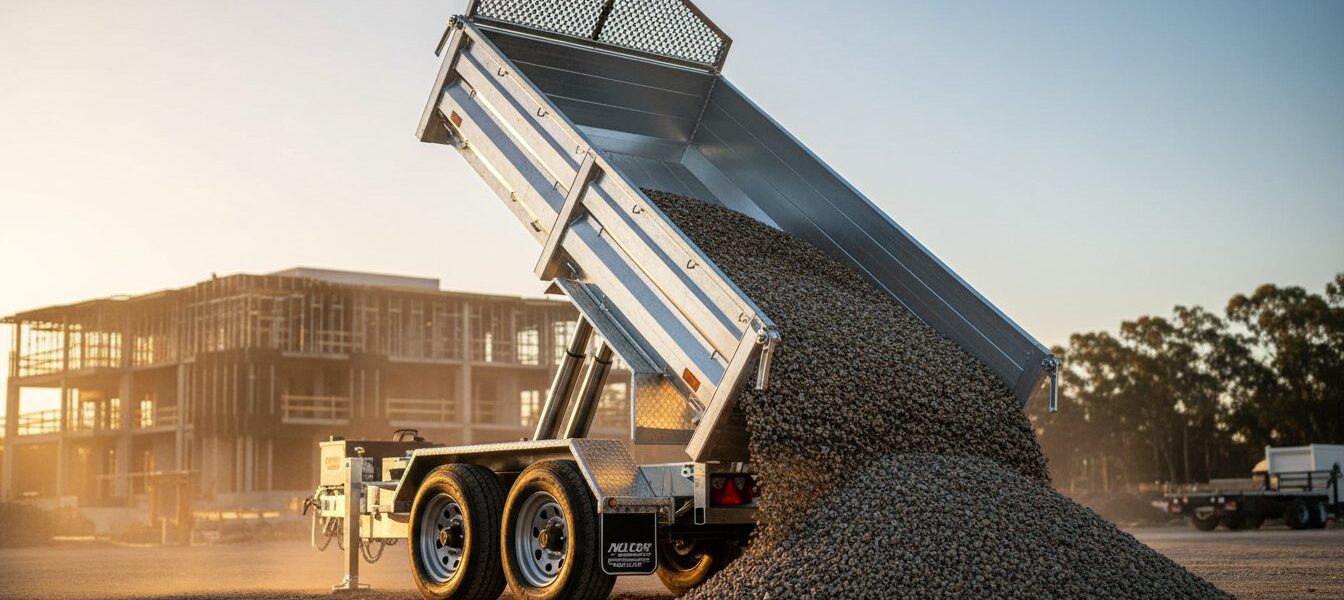
A 4-stage hydraulic ram is the best choice for a 10×5 bed. Each stage provides additional height while maintaining the structural stability of the lift. You should look for a ram rated at 4000kg even if your trailer has a 3500kg ATM. This safety margin ensures the system isn’t straining at its absolute limit. A professional setup should achieve a 45-degree tip angle. This angle is the threshold for efficient material discharge. If the angle is too shallow, wet soil, clay, or gravel will stick to the floor. Maintenance is straightforward but vital. Keep the chrome-plated stages clean. Dirt on these stages can tear internal seals, leading to fluid leaks and pressure loss.
Power Management and Enclosures
Your hydraulic pump and battery require protection from the elements. A lockable, weatherproof toolbox mounted on the drawbar is the most effective solution. It keeps the components dry and provides a layer of security against theft. For the battery, choose a deep-cycle unit rather than a standard automotive battery. Automotive batteries are designed for short bursts of high current to start engines. They don’t handle the sustained draw of a hydraulic pump well. Deep-cycle batteries are built for these repeated discharge cycles. To keep the battery topped up, integrate an Anderson plug into your wiring. This allows your vehicle to charge the trailer battery while you drive between jobs.
Most modern systems offer a choice between a wired pendant or a wireless remote. Wireless remotes are a smart upgrade because they allow you to stand clear of the load during discharge. This improves visibility and safety. Always ensure your system includes a safety valve to prevent the tray from dropping suddenly if a hose fails. If you’re building or maintaining a rig, you can find specific hydraulic tipper trailer components that meet these rugged requirements. High-quality hydraulics ensure your trailer remains a reliable asset for years.
Construction Materials and Corrosion Resistance
Durability starts with the raw materials. In Australia, the environment is unforgiving. Salt air and constant moisture will destroy a painted trailer quickly. A hot-dipped galvanised finish is the gold standard for rust prevention. This process involves submerging the entire welded chassis into molten zinc. It coats every surface, including the inside of the box sections. This provides superior corrosion resistance compared to standard 2-pack paint finishes. When checking 10×5 hydraulic tipper trailer specs, always prioritise galvanising for long-term value and resale potential.
The floor takes the most abuse during loading and tipping. You need a minimum of 2.5mm checker plate to withstand heavy point loads. Thinner materials will dent or warp when you drop rocks, bricks, or heavy equipment into the bed. Standard side walls are usually 450mm high. This is sufficient for dense materials like soil and gravel. If you handle green waste or bulk rubbish, consider custom high-side options to increase volume without exceeding your ATM. Secure your load with robust tie-down rails. These should be placed both internally for machinery and externally for tarps and ropes.
Flooring and Gate Strength
Structural integrity depends on how the floor is constructed. A one-piece floor sheet is always better than joined sections. Joins create weak points where rust can start and the floor can flex under pressure. For a functional tipper, the rear tailgate must be versatile. A two-way design allows it to act as a drop-down gate for loading or a barn-door style for tipping. Ensure the hinges are heavy-duty and the latches are lockable. This prevents the gate from swinging open unexpectedly during transport or failing under the weight of a shifting load.
Cage and Accessory Integration
Many operators require more volume than standard sides provide. Galvanised cages are common additions, available in 600mm or 900mm heights. These cages should bolt securely to the corners of the trailer to prevent rattling and fatigue. If you carry long materials, check the load ratings for ladder racks. These racks need robust attachment points to handle the leverage of overhead loads. You can view our heavy-duty tipper trailers to see how these components integrate into a professional build. Every accessory must maintain the same standard of corrosion resistance as the main chassis to ensure the longevity of the entire unit.
Running Gear: Axles, Suspension, and Braking Specs
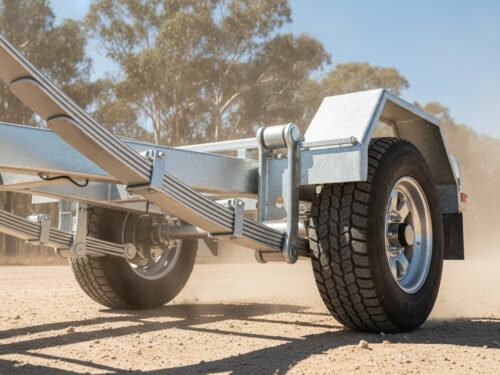
The running gear is the foundation of your trailer’s performance. When you’re hauling three tonnes of wet sand, the axles and suspension bear the brunt of the stress. High-quality 10×5 hydraulic tipper trailer specs always prioritise solid 50mm square axles over round alternatives. Square axles offer a flat surface for the springs and U-bolts to grip. This design prevents the axle from rotating during heavy braking or when hitting potholes. It also provides a higher degree of structural rigidity, which is essential for maintaining wheel alignment under maximum load. Don’t compromise on axle thickness; a solid 50mm square bar is the industry standard for 3500kg ATM trailers.
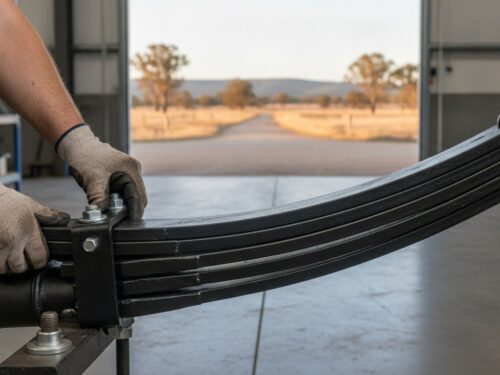
Rocker roller suspension is the preferred choice for tandem tippers. This system uses a central rocker arm to distribute weight evenly across both axles. When you drive over a kerb or uneven site ground, the rocker arm pivots. This ensures that one axle doesn’t take 100% of the load, which would otherwise cause spring failure or tyre blowouts. It provides a smoother ride and reduces the vibration transferred to the chassis. This setup is far superior to standard slipper springs for heavy-duty applications. It keeps all four tyres in contact with the road, improving traction and braking efficiency.
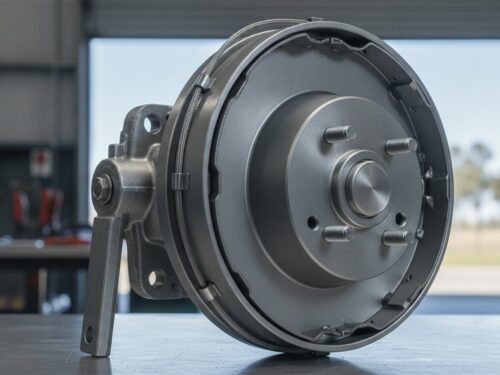
Braking requirements for a 3500kg trailer are strict. You must have electric brakes on all four wheels. While 10-inch systems are common, 12-inch electric drum brakes offer superior stopping power for heavy tippers. Every trailer with a Gross Trailer Mass (GTM) over 2000kg must also have a breakaway unit. This safety device includes a dedicated battery that automatically applies the trailer brakes if it becomes detached from the tow vehicle. It’s a mandatory requirement under Australian Design Rules. Check your battery levels regularly to ensure the system remains functional.
Axle and Bearing Reliability
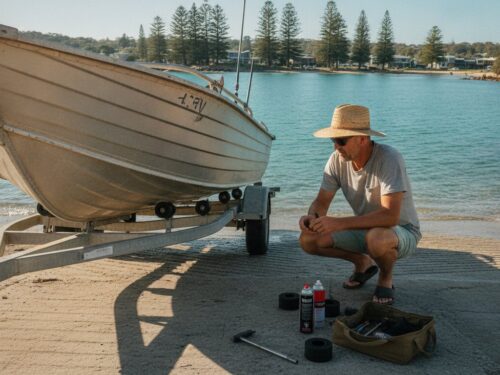
Bearing selection is often overlooked. For a professional tipper, parallel bearings are the smart choice. These use the same large bearing size for both the inner and outer positions on the spindle. They handle heat and vertical loads much better than the smaller slimline versions. If you’re building a new rig or upgrading an old one, you can browse our high-quality trailer axles to find the right fit for your ATM. Proper lubrication of these bearings is vital for preventing roadside failures. For more technical details on stopping power, read our Trailer Brakes and Calipers: Selection and Maintenance Guide.
Wheels and Tyres for Heavy Loads
Standard passenger tyres are not fit for a hydraulic tipper. You must use Light Truck (LT) tyres with a high load index. LT tyres have reinforced sidewalls that resist bulging and swaying when the trailer is fully loaded. Pair these with brand new Sunraysia-style rims. These steel rims are built for trade durability and can handle the lateral forces of tight turns on construction sites. Always match your tyre’s speed and load rating to the trailer’s ATM. If you need to replace your running gear, find the right trailer components to keep your fleet moving safely.
Safety Standards and ADR Compliance for Tippers
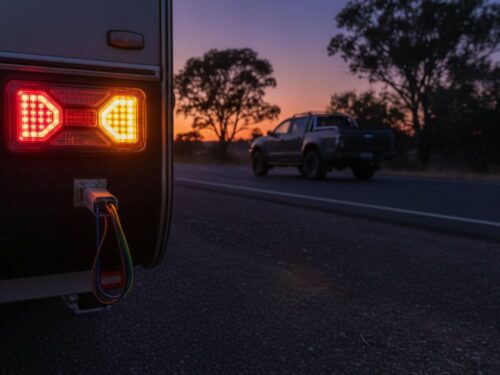
Compliance with Australian Design Rules (ADR) is non-negotiable for any road-registered trailer. These standards ensure your equipment is safe for both the operator and other road users. When reviewing 10×5 hydraulic tipper trailer specs, pay close attention to the lighting and electrical systems. You must use ADR compliant LED lighting. These lights should be submersible and high-visibility to withstand the mud and debris of a construction site. LED units are preferred because they’re vibration-resistant and draw less current from the battery. Ensure the wiring is protected within the chassis to prevent fraying or accidental damage during tipping operations.
Safety chains are another critical compliance point. For a trailer with a 3500kg ATM, you must have dual heavy-duty safety chains permanently fixed to the drawbar. These chains aren’t just for show; they’re the last line of defence if a coupling fails. Always use load-rated shackles that are stamped with their capacity. Your choice of coupling is equally vital. Most professional tippers use a 3500kg rated 50mm ball hitch. Verify that the coupling is stamped with its rating and is compatible with your tow vehicle’s hitch. Using an undersized coupling is a major safety risk and will lead to a registration failure.
Every new trailer must have a VIN plate clearly visible on the drawbar. This plate contains the manufacturer’s details, the ATM, and the unique Vehicle Identification Number. Without this, you cannot register the trailer for road use. Compliance certification ensures the trailer meets national standards for braking, lighting, and structural integrity. Don’t buy a trailer that lacks proper documentation. It’s often impossible to register these units after the fact, leaving you with an expensive piece of yard equipment that can’t legally hit the road.
Load Securing and Ramps
Safety doesn’t stop with the chassis; it extends to how you secure your cargo. Internal tie-down points are essential for securing mini-excavators or skid steers inside the tipper bed. These points must be welded directly to the frame to handle the weight of shifting machinery. If you frequently load equipment, consider your ramp specifications. Aluminium ramps are lightweight and easy to handle, while steel ramps offer maximum durability for heavier tracked machines. For more information on choosing a robust build, see our article on Box Trailer for Sale: Engineering Excellence.
Pre-Purchase Checklist
Before you sign off on a new tipper, perform a final inspection. Verify the weld quality on the spring hangers and the drawbar; look for consistent beads without pinholes or slag. Check the hydraulic fluid levels in the reservoir and ensure the battery is fully charged. Test the tipping cycle to confirm the ram extends smoothly without shuddering. If you’re a regional buyer, confirm national shipping options to ensure the trailer arrives safely at your location. Taking these steps ensures your investment is a reliable asset for your business.
Optimising Your Transport Fleet
A high-performance tipper is built on precision engineering and structural integrity. You’ve seen why 50mm solid square axles and 4-stage vertical rams are non-negotiable for trade use. These 10×5 hydraulic tipper trailer specs ensure your equipment handles the daily grind without structural failure or costly downtime. Prioritising hot-dipped galvanised finishes and ADR compliant components protects your investment from the harsh Australian environment. Reliable braking systems and load-rated safety chains are essential for legal road operation and operator safety on every job site.
Superior Trailer Parts is an Australian-owned and operated specialist. We provide heavy-duty ADR compliant components for professional builds and fleet maintenance. We offer national shipping across Australia to keep your business moving regardless of your location. Our team understands the demands of the industrial sector and provides hardware that values durability over marketing rhetoric. Contact Superior Trailer Parts for custom tipper quotes today. Get the right gear for your next project and experience the difference of trade-quality engineering. We stand behind every component we provide.
Frequently Asked Questions
What is the difference between a 2000kg and 3500kg ATM tipper trailer?
Braking and structural requirements are the primary differences between these two weight classes. A 2000kg trailer can often function with mechanical override brakes; whereas a 3500kg ATM trailer requires electric brakes on all four wheels and a mandatory breakaway system. The 3500kg models also feature reinforced chassis rails and 50mm square axles to handle the significant increase in payload. Always check the 10×5 hydraulic tipper trailer specs to ensure the axles and suspension match your intended load.
Do I need a special license to tow a 10×5 hydraulic tipper?
You don’t typically need a heavy vehicle license if the trailer’s ATM is 3500kg or less and your tow vehicle is under 4.5 tonnes GVM. However; your combined vehicle mass must stay within the limits of a standard car license. You must also ensure your vehicle is legally rated to pull the weight of the loaded trailer. Always verify the specific towing capacity of your vehicle and local state regulations before operating a tandem tipper.
How often should I service the hydraulic system on my trailer?
Inspect your hydraulic system every six to twelve months depending on your workload. Check fluid levels in the reservoir monthly and look for any signs of weeping or abrasion on the high-pressure hoses. If you operate in dusty or coastal environments; more frequent servicing is required to prevent contamination. Keeping the telescopic ram stages clean and free of debris after every use is the best way to protect the internal seals.
Are electric brakes better than hydraulic brakes for a 10×5 tipper?
Electric brakes are the preferred choice for 10×5 hydraulic tipper trailer specs in the 3500kg category. They allow the driver to adjust braking force from the cabin and integrate seamlessly with required breakaway safety systems. Hydraulic surge brakes are less common for heavy-duty tippers because they don’t provide the same level of control or safety compliance. Electric systems ensure the trailer stops reliably even when fully loaded with heavy materials like wet sand or gravel.
Why is hot-dipped galvanising better than painted finishes for trailers?
Hot-dipped galvanising provides a protective zinc coating on both the internal and external surfaces of the steel box sections. Paint only protects the exterior and can easily chip; leading to hidden rust and structural failure. This metallurgical bond is essential for trailers that frequently haul wet or abrasive materials. It significantly extends the service life of the chassis and maintains a higher resale value in the Australian market.
Can I fit a cage to a hydraulic tipper trailer later?
You can fit a cage at any time if your trailer is equipped with standard corner pockets. Most professional builds include these pockets to allow for 600mm or 900mm galvanised cages. Ensure the cage you choose is designed for the specific dimensions of your 10×5 bed. Cages are a practical addition for carrying green waste or bulk rubbish; but you must remember that their weight will reduce your legal payload capacity.
What size battery do I need for my hydraulic tipping pump?
A 100Ah deep-cycle battery is the standard requirement for a 12V hydraulic power unit. Standard automotive batteries are designed for short bursts of power and don’t handle the sustained draw of a tipping cycle well. Deep-cycle batteries are engineered for repeated discharge and recharge cycles. To maintain the battery; use an Anderson plug connection to charge the trailer from your vehicle’s alternator while you drive between jobs.
What is a breakaway system and why is it required for my trailer?
A breakaway system is an emergency safety device that automatically applies the trailer brakes if the unit detaches from the tow vehicle. It’s a mandatory legal requirement in Australia for all trailers with a GTM over 2000kg. The system consists of a dedicated battery; a monitor; and a pull-pin switch. This ensures the trailer stops quickly and safely in the event of a coupling failure; preventing a dangerous runaway situation on the road.