Why do so many standard trailers end up as rusted scrap in the backyard after just a few seasons? It usually comes down to cut corners during the manufacturing process. Choosing 7×4 single axle box trailers offers the ideal balance of cargo volume and maneuverability for most Australian drivers. You need a unit that handles heavy loads across rough terrain without the bearings failing or the chassis warping under pressure.
We will also cover essential Australian Design Rules (ADR) to ensure your setup remains legal and safe. You will see the clear difference between standard components and heavy-duty hardware. This overview provides the technical knowledge needed to select a reliable trailer and maintain it with the right replacement parts for years of trouble-free hauling.
Key Takeaways
- Understand why the 7×4 configuration is the industry “sweet spot,” providing increased volume over a 6×4 without the weight of a tandem axle setup.
- Identify critical technical specifications like RHS steel chassis construction and hot-dip galvanised finishes for maximum durability in Australian conditions.
- Learn how to maintain 7×4 single axle box trailers by performing regular wheel bearing lubrication and leaf spring inspections to prevent roadside breakdowns.
- Verify ADR compliance and understand the importance of sourcing from a specialist that provides both the trailer and compatible replacement parts.
Why the 7×4 Size is the Standard for Australian Box Trailers
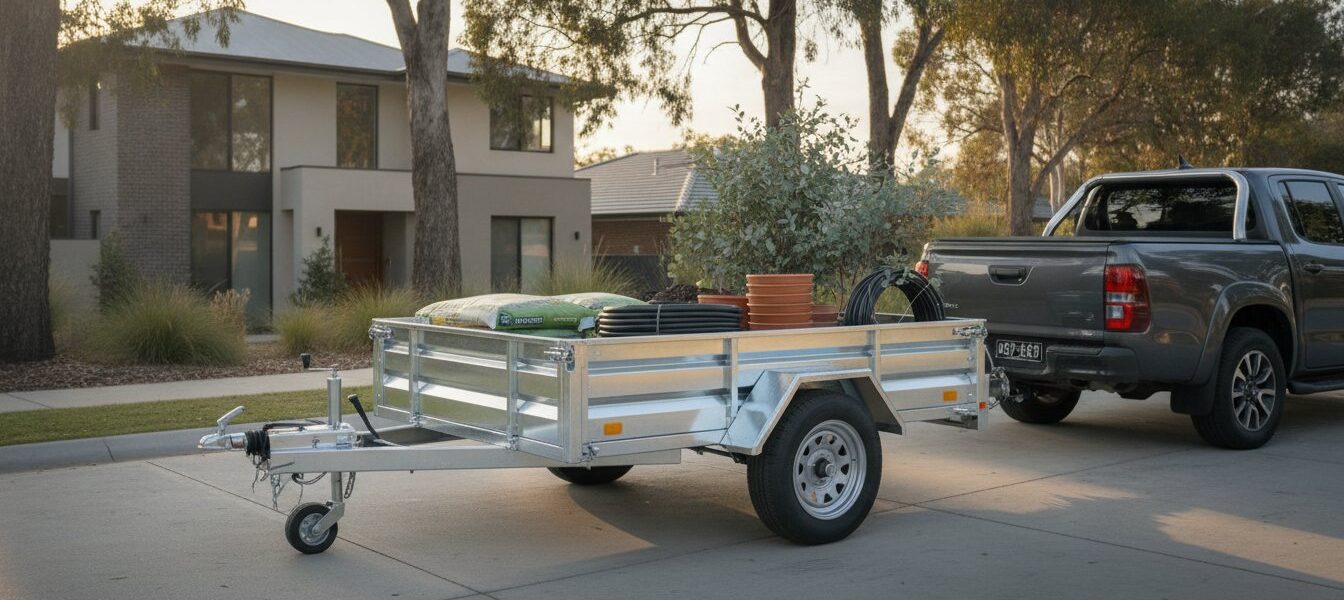
The 7×4 footprint is the most practical configuration for the average Australian user. It offers internal dimensions of approximately 2100mm in length and 1200mm in width. This provides a versatile platform for transporting standard building materials, garden refuse, and household furniture. While utility trailers come in many sizes, the 7×4 strikes a balance between cargo capacity and ease of storage in a standard residential garage. It’s a staple in driveways across the country because it handles the demands of both weekend DIY projects and daily professional tasks.
Reversing a trailer is often the most difficult part of hauling for beginners. Shorter trailers react quickly to steering inputs and can jackknife with very little warning. The slightly longer wheelbase of 7×4 single axle box trailers provides a more predictable pivot point. This extra length slows down the reaction time of the trailer. It gives the driver more opportunity to correct their line while backing into a driveway or onto a worksite. This improved towing dynamic makes it a safer and less stressful option for those who don’t tow on a daily basis.
7×4 vs. 6×4: When to Step Up
Choosing between a 6×4 and a 7×4 often comes down to the types of loads you expect to carry. A 7ft tray allows for better weight distribution of longer items, such as timber or plumbing pipes. This reduces the risk of excessive rear overhang. If you frequently move furniture, that extra foot of length is often the difference between fitting a queen mattress flat or having to prop it up at an angle. For those who need a reliable hauling solution, heavy duty single axle box trailers provide the necessary structural integrity for these larger volumes without the bulk of a tandem unit.
Single Axle Efficiency and Maneuverability
The single axle design is engineered for efficiency and ease of use. It’s significantly easier to position by hand than a tandem axle unit, which tends to scrub the tyres when turned sharply. Maintenance requirements are also lower. Because there are only two wheels and one set of bearings, your long-term upkeep costs are halved compared to dual-axle setups. Most 7×4 single axle box trailers are rated at a 750kg Aggregate Trailer Mass (ATM). This allows for a substantial payload while remaining under the threshold that requires an independent braking system. This simplicity keeps the tare weight low and ensures the trailer remains easy to tow for most passenger vehicles and SUVs.
Technical Specifications of a Heavy-Duty 7×4 Box Trailer
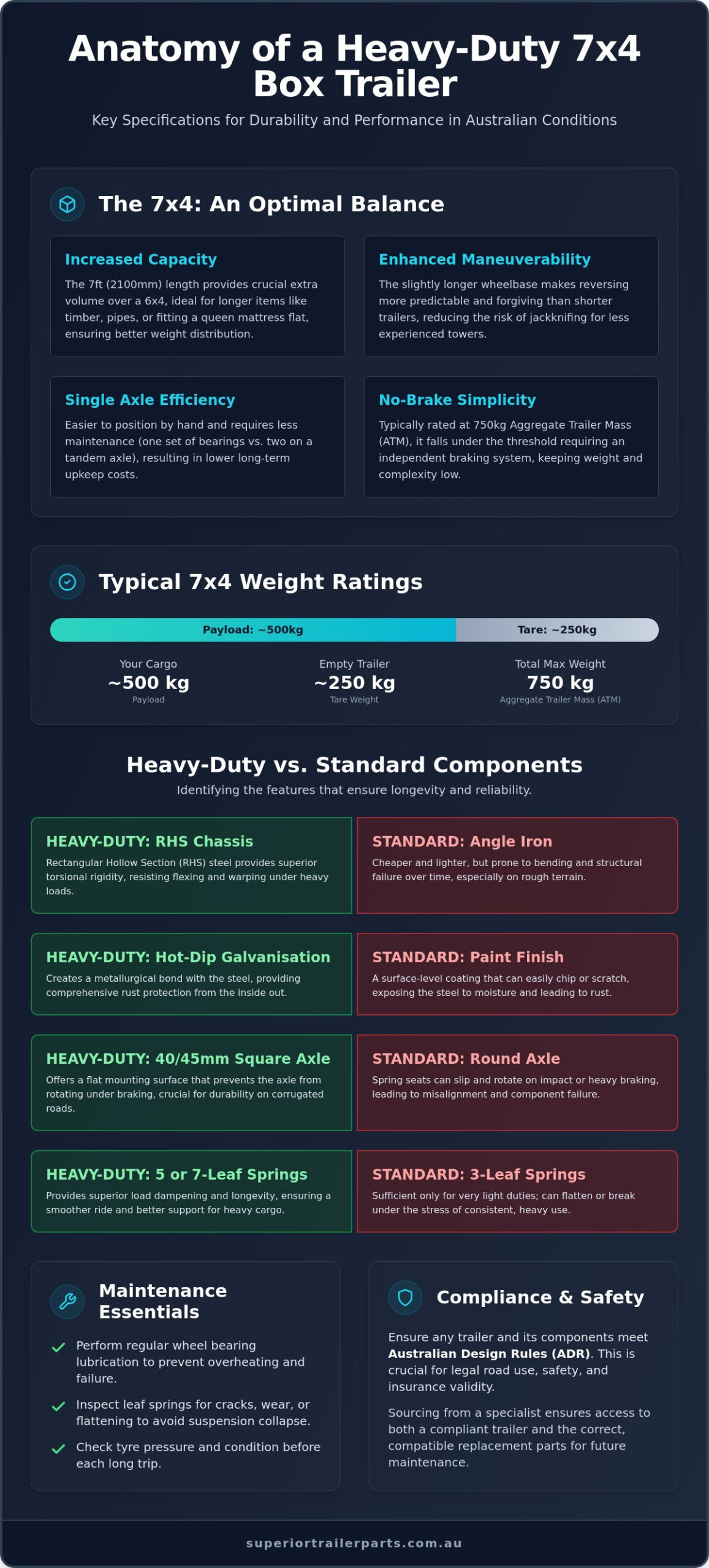
Understanding the weight ratings of your equipment is the first step in safe hauling. The Aggregate Trailer Mass (ATM) refers to the total weight of the trailer plus its maximum load when it is not coupled to a tow vehicle. For most 7×4 single axle box trailers, the standard ATM is 750kg. This allows you to tow without the added cost and complexity of a braking system. The Tare weight is the weight of the empty trailer itself. A well-built galvanised 7×4 unit typically weighs around 250kg. This leaves you with a practical payload of approximately 500kg for your cargo.
The structural integrity of the unit depends entirely on the chassis and floor construction. High-quality trailers use Rectangular Hollow Section (RHS) steel for the main frame rather than cheaper angle iron. RHS provides superior torsional rigidity and resists flexing under heavy loads. For the floor and sides, 2.5mm checker plate steel is the industry benchmark. This thickness ensures the tray won’t dent or warp when you drop heavy tools or green waste into the back. To protect this steel from the Australian climate, hot-dip galvanisation is essential. Unlike paint, which only sits on the surface, hot-dip galvanisation involves submerging the entire frame in molten zinc. This creates a metallurgical bond that prevents rust from the inside out.
Axle and Suspension Standards
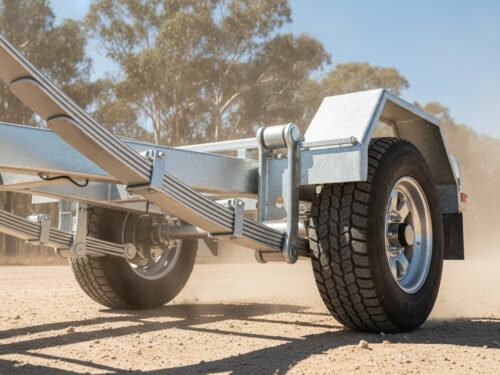
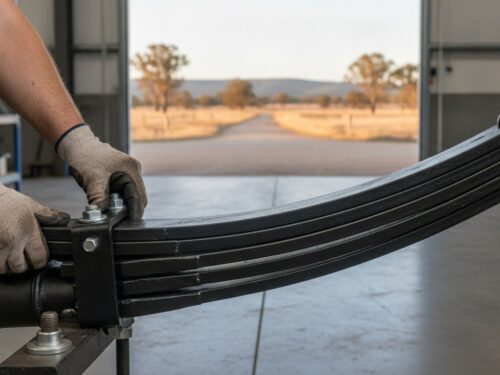
The running gear is where many budget trailers fail. We recommend 40mm square axles over round alternatives. Square axles offer a flat mounting surface for the spring seats, which prevents the axle from rotating under braking or impact. This setup is significantly more durable for Australian corrugated roads. Your choice of leaf springs also matters. While a 3-leaf set might suffice for light garden duties, 5-leaf or 7-leaf slipper springs provide much better load dampening and longevity. These heavier spring sets ensure the trailer doesn’t bounce excessively when empty while still supporting a full 500kg payload without flattening.
Drawbar Engineering and Safety
A longer drawbar improves tracking and makes the trailer much easier to reverse. It should be constructed from heavy-duty RHS steel and extend back to the first cross-member of the chassis for maximum strength. Safety is non-negotiable. Every trailer must feature ADR-compliant safety chains with permanently stamped load ratings. Ensure your couplings are rated correctly for the ATM and check that the locking mechanism is positive and secure. If you are building your own unit or upgrading an old one, you can find all the necessary heavy duty trailer components to meet these standards.
Configurations and Customisation for Australian Conditions
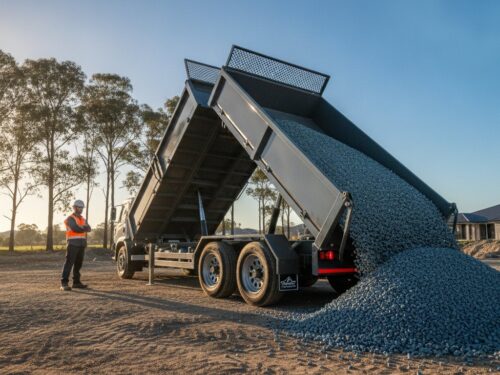
For those frequently moving loose materials like mulch, sand, or gravel, a manual tilt function is a worthwhile investment. This feature allows the tray to pivot on the chassis, making it significantly easier to unload bulk goods without excessive shovelling. It simplifies the process and reduces the physical strain on the operator. You can explore our heavy duty single axle box trailers to see how these different configurations are integrated into the final build.
Caged Trailers for Versatile Hauling
Cages are the most common accessory for the 7×4 size. A 600mm cage is usually sufficient for household green waste and domestic moving. However, a 900mm cage is preferred for commercial applications or for transporting taller, unstable items. Check the mesh density and the gauge of the steel frame. A flimsy cage will rattle and eventually crack at the weld points on corrugated roads. Bolted cages offer the flexibility of removal for storage, while fully welded cages provide maximum rigidity for permanent heavy-duty use.
Weather Protection and Security
Maximizing Longevity Through Component Maintenance
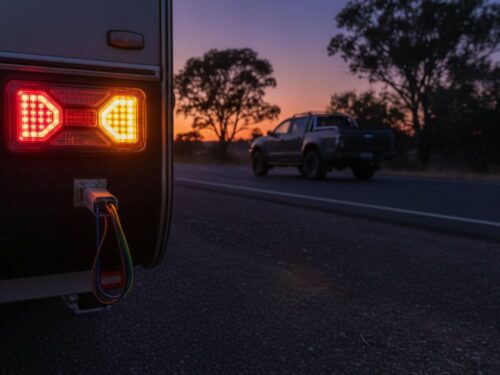
Routine maintenance keeps 7×4 single axle box trailers reliable and safe for long-distance hauling. Even a high-quality hot-dip galvanised finish requires attention to prevent surface degradation. Road salt, mud, and industrial grime can trap moisture against the steel. Rinse the chassis and tray thoroughly after use in coastal or muddy environments to preserve the protective zinc layer. Check the electrical system before every trip. Ensure the 7-pin plug is free of corrosion and the LED tail lights are functioning. Dim or flickering lights often indicate a loose ground connection rather than a bulb failure. Clean the plug terminals with a wire brush or contact cleaner to maintain a strong electrical circuit.
Suspension components endure significant stress on Australian roads. Inspect your leaf springs for signs of flattening or stress fractures. If the trailer sits lower on one side when empty, the spring has likely lost its tension. Check the galvanised U-bolts for tightness. Loose bolts allow the axle to shift, which ruins tyre alignment and compromises handling. If you notice uneven tyre wear, it’s a clear signal that the suspension or axle alignment needs adjustment. Address these issues early to avoid expensive repairs or tyre replacements later.
Wheel Bearing and Hub Care
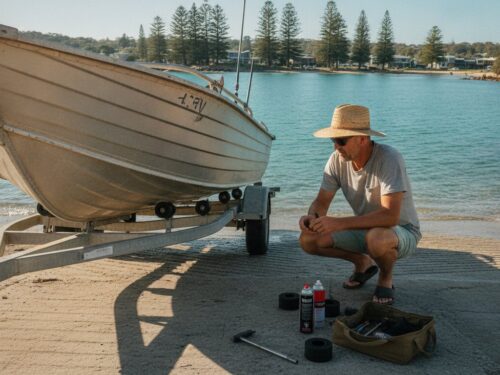
Wheel bearing failure is the leading cause of roadside breakdowns. Perform a heat check by placing your hand on the wheel hubs after a short drive. If a hub feels excessively hot, the bearings require immediate inspection. Listen for grinding noises while the trailer is in motion and check for lateral play by rocking the wheel while it’s jacked up. We recommend repacking bearings with high-temperature grease every 12 months for standard road use. If you frequently tow in wet or dusty conditions, increase this frequency. You can find high-quality replacement trailer parts to keep your hubs running smoothly and prevent axle damage.
Coupling and Safety Chain Inspections
The coupling is the most critical safety point between your vehicle and the load. Inspect the internal housing and trigger mechanism for excessive wear or grit buildup. Lubricate the moving parts regularly to ensure a positive lock on the tow ball. Verify that the safety chains are securely attached to the drawbar with ADR-compliant welds. Check the shackles for rust or deformation. If the coupling shows signs of mechanical play, it should be replaced immediately to prevent accidental decoupling. Browse our range of trailer couplings and parts to ensure your connection remains secure and compliant with national safety standards.
Selecting Your 7×4 Box Trailer and Essential Spares
Selecting 7×4 single axle box trailers requires more than just looking at the price tag. You need to verify that the unit meets all Australian Design Rules (ADR). This ensures the trailer is road-legal and safe for registration in your specific state or territory. A compliant trailer includes correctly rated safety chains, functioning LED submersible tail lights, and a clear VIN plate. Sourcing from a dedicated specialist ensures that every component is engineered for Australian conditions. Unlike general retailers, we understand the mechanical requirements of heavy-duty hauling. We provide the technical support needed to keep your equipment operational for years.
Don’t overlook the importance of a spare wheel and mounting bracket. Purchasing these upfront is a practical decision that prevents being stranded on a remote road. A matching spare ensures you can swap wheels quickly and continue your journey without searching for a specific tyre size in an emergency. We offer nationwide shipping on all our trailers and replacement parts. Whether you’re a fleet manager in a metro area or a tradesperson in a regional district, we deliver reliable hardware directly to your location. This regional accessibility is a core part of our commitment to the Australian transport sector.
Why Quality Components Matter
Many “big-box” retail trailers use non-standard parts that are difficult to replace. This often leads to extended downtime when a simple bearing or seal fails. By choosing a unit built with standard Australian hardware, you future-proof your investment. You’ll find that sourcing replacement axles, springs, or couplings is much simpler when the original build follows industry standards. Learn more about Box Trailer for Sale quality standards to understand what separates a professional-grade build from a domestic light-duty unit.
Getting Started with Superior Trailer Parts
We pride ourselves on being a comprehensive resource for the transport industry. You can browse our full range of 7×4 single axle box trailers online to compare specifications and features. If you’re unsure about which axle rating or spring set best suits your specific application, our team is available to provide expert technical advice. We help you select the right configuration from the start. Contact Superior Trailer Parts today for a quote or to discuss your technical requirements.
Upgrade Your Hauling Efficiency
Browse our Heavy-Duty 7×4 Box Trailers today to find a workhorse that stands up to the job. Secure a trailer built for the harshest conditions and rely on our expert team for all your technical needs.
Frequently Asked Questions
What is the maximum load I can carry in a 7×4 single axle trailer?
The payload capacity of a standard 7×4 single axle trailer is approximately 500kg. This figure is calculated by subtracting the tare weight of the empty trailer, typically around 250kg, from the 750kg Aggregate Trailer Mass (ATM). Exceeding this limit compromises safety and risks damaging the suspension or axle. Always check your specific VIN plate for the manufacturer’s rated capacity before loading cargo.
Do I need brakes on a 7×4 box trailer?
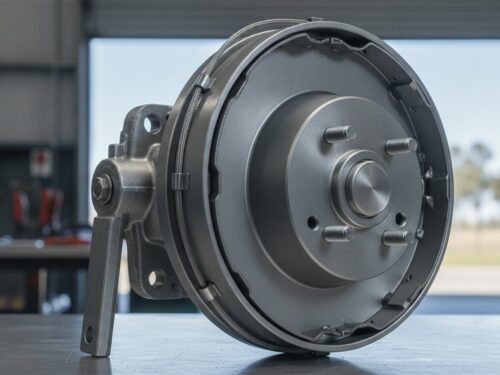
You don’t need a braking system if the trailer’s Aggregate Trailer Mass (ATM) is 750kg or less. Most 7×4 single axle box trailers are designed to stay within this unbraked limit for simplicity and lower maintenance costs. If your specific trailer is rated for a higher ATM, Australian Design Rules require a functional braking system, such as 9 inch mechanical drum brakes or hydraulic disc brakes.
What is the difference between hot-dip galvanised and zinc-plated trailers?
Hot-dip galvanisation involves submerging the entire steel frame into molten zinc, creating a thick, metallurgical bond that protects both the interior and exterior surfaces. Zinc plating is an electroplating process that produces a much thinner coating, primarily for aesthetics or light-duty use. For the Australian climate, hot-dip galvanised finishes provide superior rust resistance and long-term durability against road salt and moisture.
Can I upgrade the axle on my 7×4 trailer to carry more weight?
Upgrading to a 45mm or 50mm square axle improves the physical strength of the unit, but it doesn’t legally change the ATM stated on the VIN plate. The legal load limit is determined by the weakest component in the assembly, including the chassis, springs, and tyres. Consult a specialist before attempting to increase load capacity to ensure the entire structure remains safe and compliant with national regulations.
What tyre pressure should I run in a 7×4 box trailer?
Most 7×4 single axle box trailers perform best with tyre pressures between 30 and 35 psi when empty. When carrying a full payload, you should increase the pressure to approximately 45 psi, depending on the tyre manufacturer’s specifications. Correct inflation prevents excessive heat buildup and ensures even tread wear. Always verify the maximum pressure rating stamped on the tyre sidewall before inflation.
How do I know if my 7×4 trailer is ADR compliant?
An ADR-compliant trailer features a permanently attached VIN plate displaying the manufacturer’s details and weight ratings. It must also have safety chains stamped with a specific load rating and LED tail lights that meet national visibility standards. Check the manufacturer’s compliance certificate or inspect the safety chain welds and coupling ratings for official markings to ensure the unit is road-legal.
Is it better to have a round or square axle on a box trailer?
Square axles are generally superior for heavy-duty hauling because they provide a flat mounting surface for the spring seats. This prevents the axle from rotating under heavy impact or braking stress. While round axles are common on light-duty units, 40mm or 45mm square axles offer greater structural rigidity. This design is better suited for the vibrations and stresses of Australian corrugated roads.
How often should I grease the wheel bearings on my trailer?
You should grease and repack your wheel bearings every 12 months or every 10,000 kilometres. If you frequently use your trailer in wet or coastal environments, perform this maintenance more often to prevent water ingress. Regular lubrication is the most effective way to prevent bearing overheating and avoid a total hub failure while on the road. Check for heat or noise during every trip.