Relying on a hydraulic override hitch for a heavy load isn’t just a matter of preference; it’s often a legal liability that compromises your control on the road. You likely know the frustration of that split-second lag when you hit the anchors, or the struggle of trying to reverse a trailer when the override mechanism keeps locking up. It’s a common pain point for anyone hauling serious weight across regional Australia’s demanding terrain.
Understanding the benefits of electric over hydraulic brakes is essential for maintaining safety and meeting strict National Heavy Vehicle Regulator standards. This article identifies the performance, maintenance, and legal advantages of each system so you can choose the right hardware for your specific towing needs. We’ll examine why electric systems provide superior cab-adjustable control, how they reduce long-term maintenance costs, and which GTM thresholds make them a mandatory requirement for your trailer. Whether you’re managing a professional fleet or upgrading a personal caravan, getting the braking right ensures a smoother, more reliable stopping experience every time.
Key Takeaways
- Identify the legal GTM thresholds in Australia to ensure your trailer remains compliant with mandatory safety standards for loads over 2000kg.
- Explore the benefits of electric over hydraulic brakes for precision control, allowing you to adjust brake gain from the cab to suit changing road conditions.
- Learn why hydraulic disc brake kits are the superior choice for marine applications and heavy loads requiring high heat dissipation on steep descents.
- Understand how electric-over-hydraulic actuators combine the convenience of in-cab adjustments with the raw stopping power of hydraulic systems.
- Determine the most efficient braking setup for your trailer by weighing gross mass requirements against your specific environmental conditions.
Understanding Trailer Braking Systems in Australia
Australia’s trailer regulations are clear, yet many owners find themselves with under-specced equipment. The braking system you choose dictates your trailer’s Gross Trailer Mass (GTM) capacity and overall road safety. In the local market, you generally choose between three setups: mechanical or hydraulic override, standard electric, and electric-over-hydraulic (EOH). Each system handles deceleration differently. Choosing the wrong one can lead to legal issues or mechanical failure on the road.
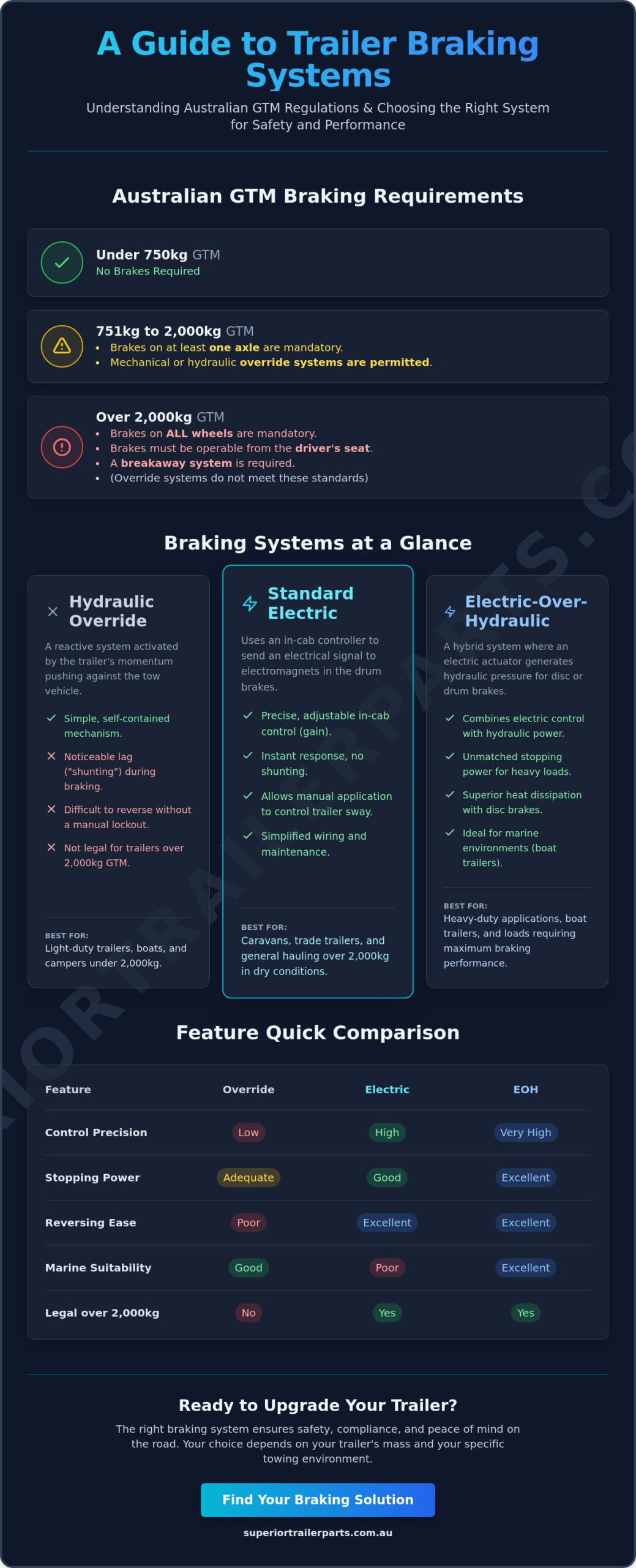
The Gross Trailer Mass (GTM) determines your legal obligations. Trailers with a GTM under 750kg don’t require brakes. Once you cross the 751kg mark, you must have brakes on at least one axle. Between 751kg and 2000kg, override systems are permitted. However, for any trailer over 2000kg, Australian Design Rules mandate brakes on all wheels. These brakes must be operable from the driver’s seat and include a breakaway system. This legal requirement is one of the primary benefits of electric over hydraulic brakes for heavier loads, as override systems can’t meet the breakaway or cab-control criteria.
Your choice of braking also influences your axle selection. Heavier electric systems are typically paired with 45mm or 50mm square axles to handle the increased load and torque. Choosing the right setup depends on more than just weight. You must consider environmental exposure. Salt water on boat ramps often favors hydraulic components, while long-distance highway hauling is better suited to electric setups.
The Role of the Override Coupling
Override systems are purely reactive. They rely on the physical force of the trailer pushing against the tow vehicle during deceleration. This compression activates a master cylinder or mechanical lever. While simple, this system lacks the precision of electronic signals. It often results in a shunting feeling and makes reversing difficult without manual lockouts. Your couplings and parts must be rated for your specific GTM and braking type to ensure the mechanism engages reliably under load. One of the key benefits of electric over hydraulic brakes is the ability to fine-tune the trailer’s response from the dashboard, which override systems simply can’t offer.
Standard Electric vs. EOH Systems
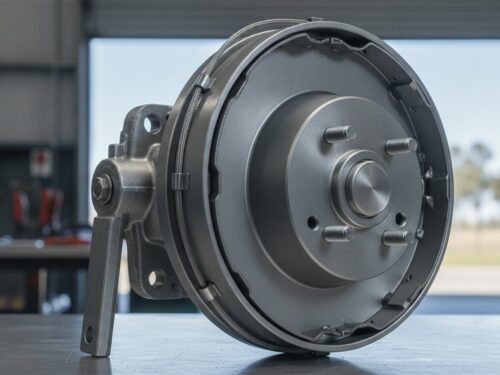
A standard electric trailer brake system uses electromagnets to pull against the inside of a drum. The 10 Inch Electric Drum Brakes are the workhorse of the Australian caravan industry. They’re cost-effective and reliable for most dry-land applications. For high-performance needs, EOH systems act as a hybrid. They use an electric actuator to create hydraulic pressure, driving disc calipers with extreme force. Both systems require a dedicated in-car brake controller. This allows the driver to manage the trailer’s braking intensity independently of the tow vehicle. It provides a significant safety advantage on loose or slippery surfaces.
Advantages of Electric Braking Systems for Versatility
Electric braking systems provide a level of versatility that purely mechanical setups lack. One of the primary benefits of electric over hydraulic brakes is the ability to manage performance from the driver’s seat. Through an in-cab controller, you can adjust the “gain” or braking force to suit your current load or road surface. Proportional braking is the synchronisation of tow vehicle and trailer deceleration. This ensures the trailer doesn’t push the vehicle or pull too hard during a stop.
Installation and maintenance are also more efficient with electric systems. Running electrical wiring through a chassis is simpler than routing and bleeding hydraulic lines. Electrical systems also reduce the risk of fluid leaks. Hydraulic lines are susceptible to corrosion and physical damage, especially in off-road conditions. High-quality electrical looms are easier to protect within the trailer frame. Key advantages include:
- Independent Control: You can apply the trailer’s brakes without using the tow vehicle’s pedal to correct wind-induced sway.
- Zero Shunting: Electric signals reach the magnets instantly, eliminating the physical jolt common with hydraulic override hitches.
- Simplified Wiring: Avoid the complexity of running high-pressure fluid lines across the entire length of the trailer.
- Adaptability: Easily switch between different tow vehicles if they’re equipped with a standard brake controller.
Superior Performance in Reversing
Reversing a trailer with hydraulic override brakes is often a struggle. These systems usually require a manual “lock-out” pin or lever to prevent the brakes from engaging as you back up. If you forget to set it, or if you’re reversing uphill, the trailer treats the backward pressure as a braking event. Electric brakes remain neutral during reverse maneuvers. They don’t require manual intervention. This efficiency is vital for drivers navigating tight worksites or steep driveways. If you’re building a new setup, choosing the right couplings and parts ensures your system remains reliable across all maneuvers.
Integration with Breakaway Systems
Meeting legal standards is one of the clear benefits of electric over hydraulic brakes for heavy-duty applications. For trailers with a GTM over 2000kg, a breakaway system is mandatory. Electric brakes integrate easily with battery-backed safety switches. If the trailer detaches, the switch triggers and the on-board battery applies the brakes immediately. This electronic activation is highly reliable. It avoids the mechanical failure points found in older cable-style breakaway systems. The system provides peace of mind when hauling heavy loads over long distances.
Where Hydraulic Braking Systems Excel
While previous sections highlighted the benefits of electric over hydraulic brakes for control and compliance, hydraulic systems still dominate specific niches. Hydraulic Disc Brake Kits provide superior clamping force compared to standard drum setups. This raw power is essential for heavy trailers that require maximum deceleration. Disc brakes also feature better heat dissipation. During long descents in regional Australia, drum brakes can overheat, leading to reduced effectiveness. Discs maintain their integrity under high thermal stress; they ensure consistent performance when the hardware is working hardest.
The choice between disc and drum is often a matter of duty cycle. Drum brakes are enclosed, which protects them from road debris but traps heat. Discs are exposed to the air, allowing them to cool rapidly. This makes hydraulic disc systems a reliable choice for trailers frequently operating in hilly terrain or carrying maximum loads. They provide a firm, predictable pedal feel that gives the driver confidence during emergency stops.
Corrosion Resistance and Marine Use
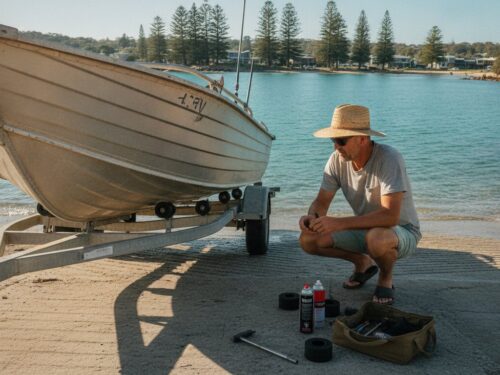
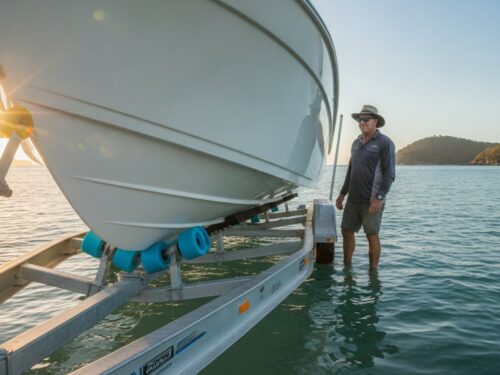
Marine environments demand specialized hardware. Submersing electric magnets in salt water leads to rapid corrosion and electrical shorts. This is why hydraulic systems remain the standard for boat trailer parts. Using galvanised or stainless steel components protects the braking surface and internal mechanisms from harsh coastal conditions. To keep these systems operational, you must monitor fluid levels and bleed the lines to remove air pockets. Contaminated fluid is a common cause of caliper sticking. Scheduled maintenance is non-negotiable for boat owners who want to avoid seized brakes at the ramp.
Simplicity for Multi-Vehicle Use
Hydraulic override systems offer a logistical advantage for multi-vehicle fleets. They are entirely self-contained. A trailer equipped with an override hitch doesn’t require the tow vehicle to have an electronic controller. This plug and play capability makes them highly efficient for shared use among different drivers or vehicles. For those who only tow occasionally, the cost of installing a dedicated controller might not be justified. In these specific scenarios, the simplicity of a mechanical-hydraulic setup outweighs the technical benefits of electric over hydraulic brakes found in more permanent, heavy-duty configurations. You simply hitch up, connect the safety chain, and drive.
Electric-Over-Hydraulic (EOH): The Best of Both Worlds
EOH systems represent the highest tier of trailer braking technology. An EOH actuator serves as the bridge between electronic precision and hydraulic power. It receives an electrical signal from the in-car controller and instantly generates hydraulic pressure to drive disc calipers. This setup allows you to enjoy the specific benefits of electric over hydraulic brakes, such as fine-tuning the braking response from the dashboard, while retaining the superior stopping force of a hydraulic disc system. It is a logical progression for owners who find standard drum brakes insufficient for their load requirements.
Modern actuators have largely eliminated the “brake lag” once associated with earlier hybrid designs. High-pressure pumps now provide near-instant response times that rival standard electric magnets. This makes EOH the preferred choice for high-value or high-mass loads like horse floats, large caravans, and heavy-duty tandem box trailers. The system ensures that the trailer decelerates in perfect harmony with the tow vehicle, even under emergency braking conditions. It offers a level of stability that mechanical override systems simply cannot match.
Proportional Braking Explained
The actuator mirrors the exact pressure you apply to the tow vehicle’s brake pedal. If you tap the brakes lightly, the actuator delivers a corresponding low-pressure signal to the trailer’s calipers. This precision significantly reduces uneven tyre wear and extends the lifespan of your brake pads by preventing lock-ups. EOH systems reduce the ‘pushing’ sensation of heavy trailers during stops. By synchronizing the deceleration rates, the trailer effectively follows the vehicle’s braking curve rather than reacting to it. This leads to a safer, more composed ride on regional roads.
Installation Requirements for EOH
Upgrading to EOH requires several specialized components working in unison. You need the actuator unit itself, high-pressure hydraulic lines, and compatible disc calipers. Your tow vehicle must have a high-quality in-car controller and be capable of delivering consistent amperage to power the actuator pump. High-draw pumps can fail if the wiring is undersized or the battery is weak. Always verify that your controller model is compatible with your specific EOH actuator to ensure smooth communication. For a reliable build, ensure you use high-quality trailer parts that meet Australian standards.
Selecting the Right Braking System for Your Trailer
Choosing between electric and hydraulic systems requires a clear assessment of your trailer’s primary use. Weight is the first filter. For trailers between 751kg and 2000kg GTM, 10 Inch Electric Drum Brakes are often the most logical choice. They provide reliable stopping power for standard box trailers and caravans without the complexity of hydraulic lines. However, the environmental factor is equally critical. If your trailer frequently visits boat ramps or handles beach work, hydraulic components are superior. Salt water destroys electric magnets quickly. In these cases, the corrosion resistance of a hydraulic setup outweighs the technical benefits of electric over hydraulic brakes found in dry-land applications.
Frequency of use also plays a role in your decision. Electric systems reward regular maintenance and consistent operation. If a trailer sits idle in a damp environment, the magnets can develop surface rust. This reduces their effectiveness. Hydraulic systems require different care, specifically monitoring for fluid leaks and air in the lines. Before finalizing your build, review a technical brakes and calipers guide to ensure your selected parts are compatible with your chassis and load requirements.
Budget vs. Performance Trade-offs
The initial cost of an electric drum setup is generally lower than a full hydraulic disc system. However, you must factor in the hidden costs of the in-car controller installation. This is a one-time expense, but it’s necessary for all electric-based towing. Hydraulic disc kits offer better long-term performance and lower heat fade. Investing in high-quality components during the build phase prevents expensive road-side failures later. Cheap hardware often leads to uneven wear and frequent replacements, especially on long-haul regional trips.
Next Steps for Your Trailer Build
Start by verifying your Gross Trailer Mass (GTM). This ensures you remain legally compliant with Australian standards for your weight class. Check that your current axles and hub setup can support the mounting plates for your chosen brake type. Not all hubs are machined to accept disc rotors or drum backplates. If you’re unsure about compatibility, contact an expert for a custom braking solution. Getting the setup right the first time ensures your trailer is safe, legal, and built to last.
Upgrade Your Braking System for Reliable Performance
Browse our range of high-quality trailer braking systems and components and benefit from nationwide shipping across Australia. Your next tow should be secure, legal, and efficient.
Frequently Asked Questions
Do I legally need electric brakes on my trailer in Australia?
You legally require brakes on all wheels if your Gross Trailer Mass (GTM) exceeds 2000kg. For trailers between 751kg and 2000kg, brakes are mandatory on at least one axle, though these can be mechanical or hydraulic override systems. Once you cross the 2000kg threshold, the system must be operable from the driver’s seat and include a breakaway feature. This requirement necessitates an electric or electric-over-hydraulic setup to remain compliant.
Can I use electric brakes on a boat trailer?
You can use them, but it is generally not recommended for trailers that are regularly submerged in salt water. Salt water causes rapid corrosion of the electromagnets and can lead to electrical shorts within the drum. Hydraulic disc systems or electric-over-hydraulic setups with protected actuators are better suited for marine environments. These systems provide the necessary stopping power without the high maintenance risks associated with submerged electrical components.
What is the main difference between electric and electric-over-hydraulic brakes?
Standard electric brakes use magnets to actuate drum shoes, while electric-over-hydraulic (EOH) systems use an electronic signal to drive a hydraulic pump. This pump then applies fluid pressure to disc calipers. EOH provides the raw stopping power of hydraulics with the cab-adjustable control associated with the benefits of electric over hydraulic brakes. This hybrid setup is ideal for heavy trailers that require maximum deceleration without losing driver precision.
Is it hard to reverse a trailer with hydraulic override brakes?
Reversing can be difficult because the trailer’s backward pressure against the hitch often engages the override mechanism. Most hydraulic override couplings require you to manually engage a lock-out pin or lever before reversing, especially on inclines. Electric systems avoid this frustration as they remain neutral during reverse maneuvers. They don’t require manual intervention from the driver, making them more efficient for navigating tight worksites or driveways.
Do electric brakes work if the trailer becomes unhooked?
Yes, provided the trailer is equipped with a mandatory breakaway system for loads over 2000kg. This system includes a small on-board battery and a switch connected to the tow vehicle by a safety cable. If the trailer detaches, the cable pulls the switch and the battery applies the trailer brakes immediately. This safety feature is a key reason why electric systems are preferred for heavy-duty caravans and industrial trailers.
How often should I maintain my electric trailer brakes?
Inspect your braking system every 12 months or every 10,000km, whichever comes first. You should check the magnet face for uneven wear, ensure the drum surface is clean, and verify all wiring connections are secure. Regular maintenance prevents the magnets from seizing and ensures consistent stopping power during long-haul trips. In harsh regional conditions, more frequent inspections of the dust seals and bearings are recommended to prevent premature failure.
Can I tow a trailer with electric brakes if my car doesn’t have a controller?
No, you cannot safely or legally operate the trailer brakes without an in-car controller. Without a controller, the trailer’s magnets will not receive the signal to engage, meaning the trailer has no independent braking force. This creates a dangerous situation where the tow vehicle must bear the entire braking load. This likely voids your insurance and fails to meet Australian road standards for any trailer requiring active brakes.
Why do my hydraulic brakes feel ‘jerky’ when I stop?
Surging or jerking usually occurs in override systems due to the mechanical delay in the coupling. The trailer must physically push against the tow vehicle to activate the master cylinder. If the internal damper is worn or the brake shoes are out of adjustment, this creates a repetitive ‘shunting’ feeling. Properly adjusted electric systems eliminate this by providing near-instantaneous deceleration through electronic signals, resulting in a much smoother stopping experience.