In coastal Australian environments, standard zinc-plated hardware can begin to show signs of rust in as little as 12 weeks. If you’ve ever struggled with a rust-seized nut or experienced a bolt snapping due to salt-water corrosion, you know that the wrong fastener is a safety liability. You need hardware that stands up to the road and the elements without failing. A secure connection between your axle and springs is non-negotiable for towing safety.
Using high-quality galvanised u bolts for trailers is the most effective way to ensure your axle remains securely clamped to your leaf springs. This article shows you how to select, measure, and install the correct U-bolts for your specific setup to maintain a secure and corrosion-free trailer. We’ll clarify the confusion between measuring 40mm square versus 39mm round axles and explain why hot-dip galvanising is the industry standard for durability. You’ll learn the precise steps to achieve a safe fitment that ensures your trailer remains roadworthy and reliable in the harshest conditions.
Key Takeaways
- Learn why hot-dip galvanised u bolts for trailers provide superior corrosion resistance compared to standard zinc plating in coastal environments.
- Identify the exact measurements required for square and round axles to ensure a secure fit and prevent dangerous axle movement.
- Understand the safety requirements for installing trailer hardware, including the necessity of replacing bolts in pairs to maintain even tension.
- Distinguish between different coating types to select hardware that withstands high vibration and heavy-duty towing conditions.
- Discover how to source ADR-compliant kits that include all necessary nuts and washers for a reliable and efficient installation.
Why Galvanised U-Bolts are Essential for Australian Trailers
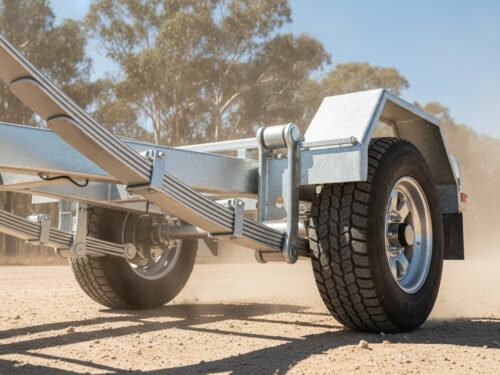
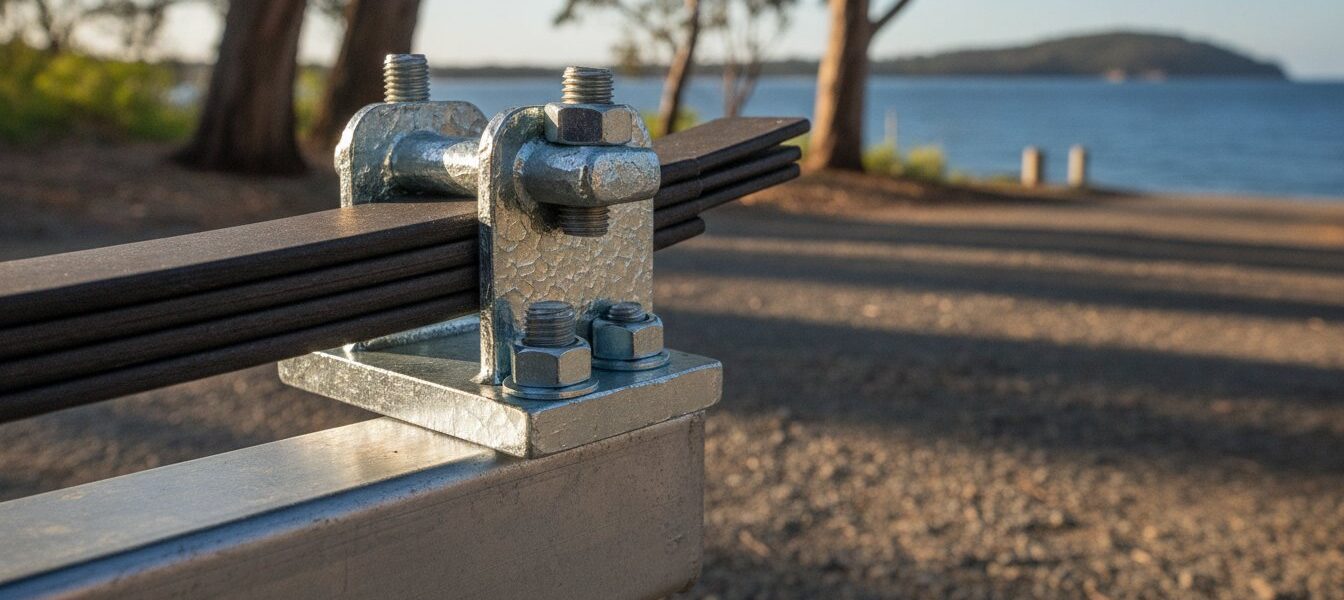
U-bolts serve as the critical mechanical bridge between your trailer’s axle and its suspension system. These fasteners bear the brunt of every bump, pothole, and sudden braking maneuver on Australian roads. If you’re wondering What is a U-Bolt?, it’s a bent rod with threads on both ends, designed to clamp round or square components together. In a trailer application, they secure the axle firmly to the leaf springs. Using high-quality galvanised u bolts for trailers ensures this connection remains rigid despite constant high-frequency vibrations and heavy loads.
Hot-dip galvanising isn’t just a surface layer like paint or powder coating. It’s a metallurgical bond created by submerging the steel in molten zinc. This process creates a thick, resilient barrier that won’t chip or peel when struck by road debris. Standard zinc plating often fails quickly under mechanical stress. Galvanised coatings are particularly effective because they protect the threads from seizing. This makes future maintenance or axle adjustments possible without having to cut the bolts off with a grinder, saving you time and frustration during repairs.
Corrosion Resistance in Marine Environments
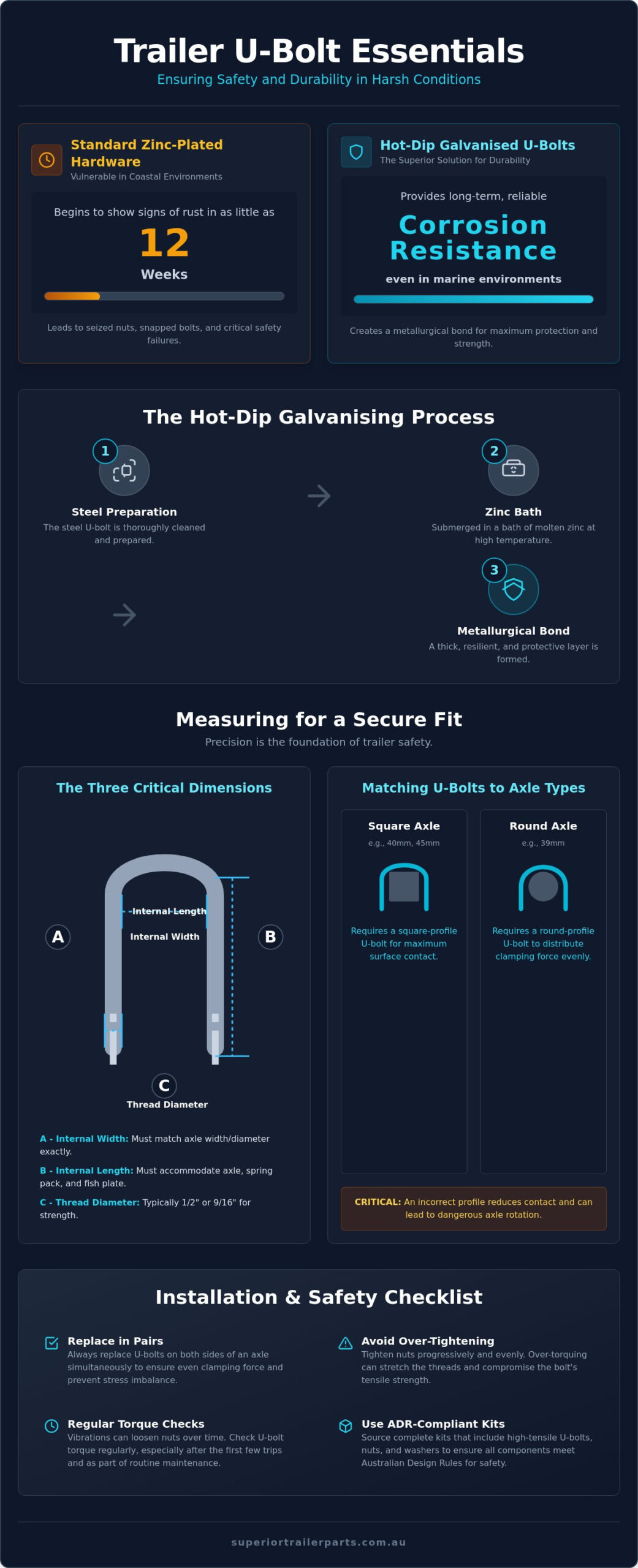
Salt water is the primary enemy of trailer hardware. In coastal regions, zinc-plated hardware can show signs of rust within 12 weeks. For boat and jet ski trailers, standard steel components degrade rapidly. Galvanised coatings act as a sacrificial anode. The zinc corrodes in place of the underlying steel, preserving the fastener’s structural integrity. This level of protection is essential for anyone using coastal boat ramps where salt exposure is unavoidable. Without this protection, salt crystals lodge in the threads and accelerate deep-seated rust that compromises the bolt’s diameter and strength.
Structural Integrity and Safety
A single failed U-bolt can lead to catastrophic axle displacement. If the axle shifts while you’re at highway speeds, you lose control of the trailer immediately. High-tensile galvanised steel maintains its strength while resisting the environmental degradation that leads to snapping. Safety depends on consistent clamping force. You must check your U-bolt torque regularly to ensure the nuts haven’t vibrated loose over rough terrain. If you notice any signs of stretching or severe pitting, replace them immediately using galvanised u bolts for trailers in a complete kit to restore the safety of your towing setup.
Measuring and Selecting the Correct U-Bolt Size
Precision is the foundation of trailer safety. Incorrectly sized galvanised u bolts for trailers lead to axle shift, which causes uneven tyre wear and dangerous trailer sway. You must identify your axle profile before selecting hardware. A square axle requires a square-top bolt to ensure maximum surface contact, while a round axle necessitates a round-top bend to distribute clamping force evenly around the circumference. Choosing the wrong profile reduces the contact patch and allows the axle to rotate under heavy braking.
Measurement starts with the axle’s physical dimensions. Use a vernier caliper for accuracy rather than a tape measure. You need to ensure the internal width of the bolt matches the axle width or diameter exactly. If the bolt is too wide, it won’t provide the lateral support needed to keep the axle centered. If it’s too narrow, you’ll strip the threads or damage the galvanised coating trying to force it into position. High-quality hardware undergoes a rigorous hot-dip galvanizing process, which adds a slight thickness to the steel. Account for this when checking tolerances on tight-fitting components.
The Three Critical Dimensions
Determine the internal width by measuring the distance between the two parallel legs. This must correspond to your axle size. The internal length is measured from the underside of the top bend to the very end of the threaded legs. This length must accommodate the axle, the leaf spring pack, and the fish plate, with enough thread left over for the nut and washer. Finally, verify the thread diameter. Most light to medium trailers in Australia use 1/2 inch or 9/16 inch threads to provide the necessary tensile strength for heavy-duty towing.
Matching U-Bolts to Axle Types
Select your hardware based on the specific axle installed on your chassis. For boat trailers or light utility setups using 39mm round axles, a round-profile U-bolt is the standard requirement. Heavier duty trailers often utilise 40mm and 45mm square axles. These require square-profile bolts that sit flush against the flat surfaces of the axle. Using a round bolt on a square axle creates point-loading, which can cause the bolt to snap under high vibration. If you’re updating your suspension, browsing a range of galvanised u bolts for trailers in pre-configured kits can simplify the selection process.
Hot-Dip Galvanising vs. Alternative Coatings
Choosing the right coating for your trailer hardware determines whether your suspension stays secure or fails prematurely. Hot-dip galvanising involves submerging the steel components into a bath of molten zinc. This process creates a thick, multi-layered metallurgical bond that is far superior to standard zinc plating. While electro-galvanised or zinc-plated bolts look similar on the shelf, their coating is significantly thinner. These thinner layers are designed for internal use and lack the durability required for galvanised u bolts for trailers exposed to road salt and moisture.
Stainless steel is often considered for its corrosion resistance, but it presents specific mechanical risks for trailer applications. High-tensile stainless steel is prone to thread galling, a form of cold-welding where the threads lock together during tightening. This prevents the bolt from reaching the required torque. Black steel or painted bolts offer almost no protection against the elements. In Australian conditions, these components rust rapidly, leading to seized nuts and weakened steel. Following Australian galvanizing standards ensures that the hardware can withstand these environmental pressures without compromising the safety of the axle connection.
Why Hot-Dip Wins for Heavy-Duty Use
The metallurgical bond formed during hot-dip galvanising is rugged enough to handle the high torque required for trailer leaf springs. This coating also features unique self-healing properties. If the surface is scratched by road debris, the surrounding zinc provides sacrificial protection to the exposed steel. This prevents rust from spreading underneath the coating. When compared to high-grade stainless steel, hot-dip galvanised high-tensile steel is a more cost-effective solution that provides the necessary clamping force for heavy-duty towing without the risk of thread failure.
Maintenance and Longevity
The lifespan of your hardware depends heavily on your operating environment. In inland areas with low humidity, galvanised coatings can last up to 50 years. However, in coastal regions or for trailers used in salt water, this lifespan is reduced. You must inspect your hardware for signs of pitting or thinning. If the zinc layer has worn away and the steel is visibly corroding, the bolt’s tensile strength is compromised. Regular inspections are part of a responsible maintenance routine. You can find more information on maintaining your chassis in our resource for Essential Trailer Parts. If you spot deep rust or a reduction in the bolt’s diameter, replace the hardware immediately to maintain structural integrity.
Installation and Safety Standards for Trailer Hardware
Safety on the road begins with correct fitment. Even load distribution across the axle prevents premature component failure and ensures predictable handling. When installing galvanised u bolts for trailers, you must ensure the axle is perfectly perpendicular to the chassis. Any misalignment causes the trailer to crab down the road, which increases tyre wear and fuel consumption. Always replace U-bolts in pairs. Even if only one bolt appears damaged, the pair has been subjected to the same stresses and should be renewed together to maintain consistent clamping tension.
Vibration is a constant threat to trailer hardware. Use galvanised nyloc nuts or high-quality spring washers to prevent the assembly from backing off under load. Before tightening, check the alignment between the spring center bolt and the axle seat. If the center bolt isn’t seated correctly in the axle hole, the axle will eventually shift, regardless of how much torque you apply. This mechanical lock is just as important as the friction provided by the bolts themselves. Precise alignment is the only way to guarantee long-term stability.
Step-By-Step Fitting Process
First, position your leaf springs correctly on the axle seats. Depending on your configuration, slide the U-bolts over the axle for an overslung setup or through the fish plate for an underslung arrangement. Tighten the nuts in a diagonal cross-pattern. This method ensures the fish plate remains level and applies even pressure across the entire spring pack. If one side is tightened fully before the other, the plate will tilt, leading to uneven stress and potential bolt failure. Work in increments until the assembly is firm.
Torque Requirements and Re-Tightening
Metal beds in after the first few kilometres of use. You must check the torque of your hardware after the first 100km of travel. This initial period allows the components to settle, which often results in a slight loss of clamping force. However, avoid over-tightening. Applying excessive force can stretch the threads and weaken the fastener’s structural integrity beyond its design limits. It is a critical safety rule that U-bolts are considered one-use fasteners and should not be reused once they have been removed from an axle. For reliable hardware that meets these safety standards, browse our range of galvanised u bolts for trailers.
Sourcing High-Quality Trailer Hardware Nationally
Securing the right hardware shouldn’t be a gamble. Superior Trailer Parts stocks a wide range of U-bolt kits designed to withstand the heavy-duty requirements of the Australian transport sector. We ensure all galvanised u bolts for trailers in our inventory meet rigorous safety standards. This focus on quality prevents the common issues of thread failure and premature corrosion discussed in previous sections. Our fast national shipping network delivers these critical components directly to your workshop or home, regardless of your location in Australia. We understand that downtime costs money. We prioritize efficient dispatch and reliable delivery to keep your equipment moving.
Choosing the right fastener is a matter of safety and operational efficiency. Our hardware is engineered for the specific vibration profiles found on Australian regional roads. We provide components that maintain their structural integrity under heavy loads and constant exposure to the elements. You don’t have to worry about finding compatible parts elsewhere. We supply everything needed for a standard installation. This includes the nuts and washers required to secure the axle and spring assembly properly. Using components from a single, reliable source ensures that the thread pitches and galvanising thickness are consistent across the entire assembly.
Why Choose Superior Trailer Parts
We are an Australian-owned business with deep industry expertise. Our kits provide a complete solution by including high-quality nuts and washers. This eliminates the need to source individual fasteners. It also ensures all components share the same hot-dip galvanised protection. Our hardware is fully compatible with our range of box trailers and specialized marine trailers. Whether you’re maintaining a single jet ski trailer or a fleet of commercial haulers, we provide the specific hardware required for a safe fitment. We stand behind every product we sell. We know the harsh conditions they must endure on the road and at the boat ramp.
Ordering and Support
Our online platform simplifies the procurement process for both trade and retail customers. We maintain large stock levels to support bulk orders for fleet maintenance and trailer manufacturers. If you’re unsure about thread pitches or axle compatibility, contact our team for expert advice. We provide technical support to ensure you select the correct size for your specific axle and suspension setup. You can reach us via our contact page for immediate assistance. We prioritize clear communication and technical accuracy to help you get your trailer back on the road safely. We don’t just sell parts. We provide the technical knowledge needed to use them correctly.
Secure Your Trailer for Long-Term Performance
Choosing the right hardware is a fundamental safety requirement for anyone towing in Australian conditions. You now understand that galvanised u bolts for trailers provide the necessary metallurgical bond to resist salt-water corrosion and road debris. By accurately measuring your axle profile and following a strict cross-pattern tightening sequence, you ensure your suspension remains rigid and reliable. These fasteners are designed for single use and require a torque check after the first 100km to account for initial settling.
Superior Trailer Parts is an Australian-owned and operated specialist providing high-tensile, hot-dip galvanised hardware built for local environments. We offer nationwide shipping across Australia to ensure you have access to ADR-compliant kits wherever your workshop is located. Don’t risk axle shift or snapped bolts with inferior zinc-plated alternatives.
Shop the full range of Galvanised U-Bolt Kits at Superior Trailer Parts today and ensure your trailer is roadworthy for your next trip. Proper maintenance today prevents a breakdown tomorrow.
Frequently Asked Questions
How do I measure a U-bolt for my trailer?
Measure three critical dimensions: internal width, internal length, and thread diameter. The internal width must match your axle’s diameter or width exactly to prevent lateral movement. Measure the internal length from the underside of the bend to the end of the threads, ensuring it accommodates the axle, spring pack, and fish plate with room for the nut. Use a vernier caliper for these measurements to ensure a precise fit.
Can I use stainless steel U-bolts instead of galvanised?
High-tensile galvanised steel is generally preferred over stainless steel for load-bearing trailer applications. While stainless steel offers excellent rust resistance, it’s prone to thread galling, where the threads cold-weld together during tightening. This prevents you from reaching the correct torque. Galvanised u bolts for trailers provide the necessary tensile strength and corrosion protection without the risk of seizing during installation.
Why do my trailer U-bolts keep coming loose?
U-bolts often loosen due to the initial “bedding in” process where components settle under load. Metal surfaces compress slightly during the first few kilometres of travel, which reduces the clamping force. Always re-torque your nuts after the first 100km. If they continue to loosen, ensure you’re using nyloc nuts or spring washers to counteract constant road vibrations.
What is the difference between square and round U-bolts?
The difference lies in the top profile, which must match your specific axle shape. A square U-bolt is designed for square axles, such as 40mm or 45mm versions, providing flat surface contact. Round U-bolts are engineered for round axles like the 39mm variety. Using a round bolt on a square axle creates point-loading, which concentrates stress and leads to premature bolt failure.
How often should I replace the U-bolts on my boat trailer?
Inspect your boat trailer hardware every six months for signs of pitting, thinning, or deep-seated rust. Marine environments are highly corrosive, and even high-quality coatings eventually wear thin. If the zinc layer has vanished and the underlying steel is corroding, replace the bolts immediately. Never wait for a bolt to snap, as this leads to catastrophic axle displacement while towing.
Do I need to use a fish plate with my U-bolts?
Yes, a fish plate is a mandatory component for a secure suspension setup. It acts as a structural bridge that distributes the clamping force evenly across the leaf spring pack. Without a fish plate, the nuts would apply uneven pressure directly to the springs, which causes damage and prevents the assembly from staying tight. It’s the anchor point that keeps the entire axle-to-spring connection rigid.
What size U-bolt do I need for a 45mm square axle?
You require a square-profile U-bolt with an internal width of exactly 45mm. The thread diameter should typically be 1/2 inch or 9/16 inch to provide the necessary clamping force for this axle size. To determine the required length, add the height of the axle, the thickness of your leaf spring stack, and the depth of the fish plate, then add 15-20mm for the nut and washer.
Is hot-dip galvanising better than zinc plating for trailers?
Hot-dip galvanising is significantly better than standard zinc plating for any trailer stored outdoors. Zinc plating is a thin, decorative layer that fails quickly when exposed to road salt or moisture. Hot-dip galvanised u bolts for trailers feature a thick, metallurgical bond that handles high torque and resists chipping. This coating provides a sacrificial barrier that protects the steel even if the surface is scratched by road debris.