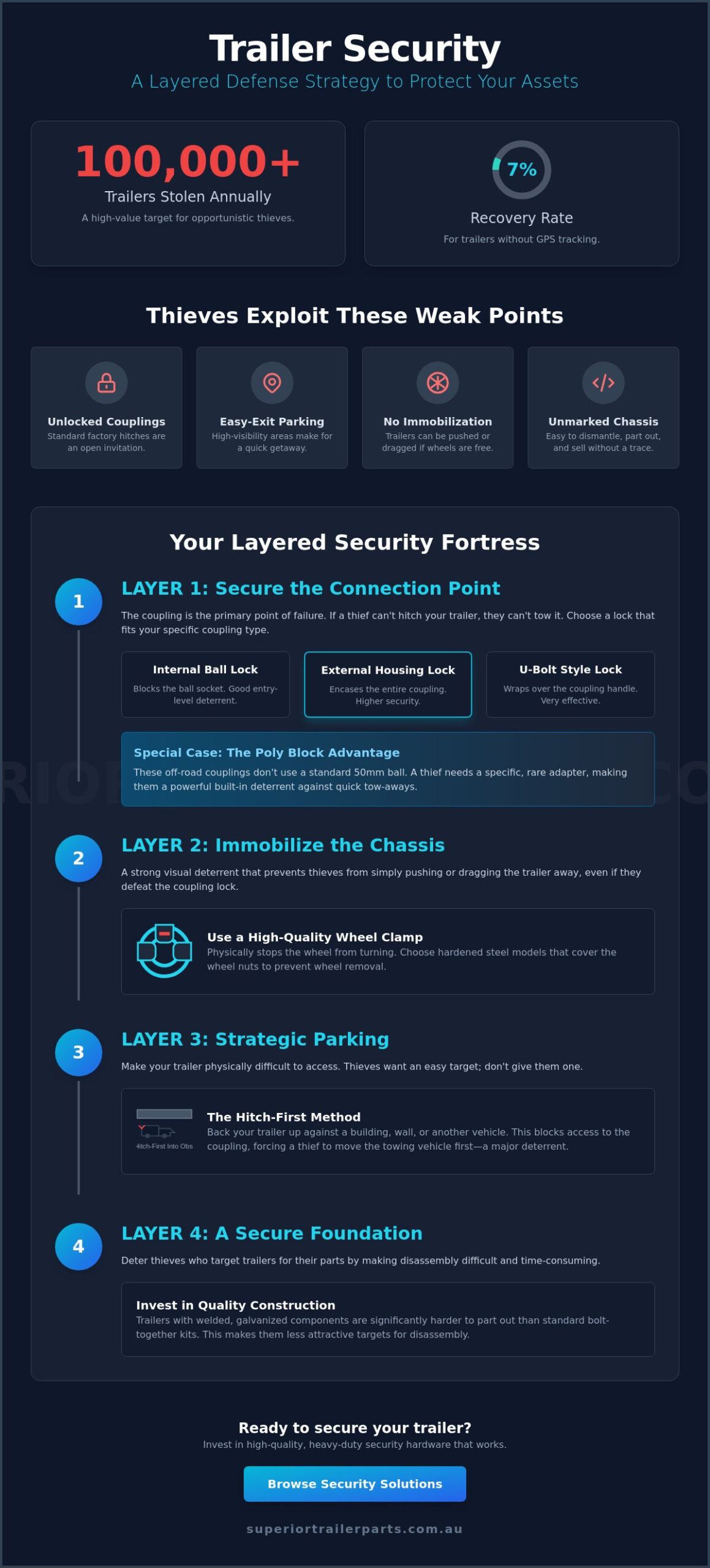
Over 100,000 trailers are stolen every year; for those without GPS tracking, the recovery rate is a dismal 7%. It is a harsh reality for any owner who relies on their equipment for work or recreation. You already know that a cheap, hardware-store padlock is not enough to stop a determined thief with basic bolt cutters. Replacing a stolen 8×5 tandem axle box trailer or a specialised jet ski trailer is expensive. The resulting downtime and missed jobs are often even more costly for your business.
You need a security strategy that works as hard as your gear. This article teaches you how to protect trailer from theft by implementing a layered system of physical barriers and immobilisation tactics. We will examine the specific hardware required for different setups, including 2-hole fixed couplings and poly block off-road hitches. You will learn how to combine wheel clamps, high-grade coupling locks, and smart parking habits to create a formidable deterrent that keeps your assets secure in public or at home.
Key Takeaways
- Identify your equipment’s weak points by understanding common theft tactics and the difference between quick tow-aways and cargo raids.
- Learn how to protect trailer from theft by selecting heavy-duty locks that specifically fit your 2-hole or 4-hole coupling setup.
- Use wheel clamps to immobilise the chassis and prevent thieves from simply pushing your trailer out of a driveway.
- Master strategic parking techniques, such as the hitch-first method, to create physical obstacles that stop a quick getaway.
- Build a secure foundation using welded galvanised components that are harder to dismantle or part out than standard bolt-together kits.
Assessing Trailer Vulnerability and Common Theft Tactics
Trailers are mobile by design. This mobility is also their greatest security weakness. For an opportunistic criminal, an unsecured trailer represents a low-risk, high-reward scenario. They can be hitched, moved, and hidden within minutes. Understanding the mindset of a thief is the first step in learning how to protect trailer from theft. Most thefts fall into two categories: the quick tow-away or the targeted cargo raid. While the former focuses on the trailer itself, the latter aims for the equipment or tools inside. In both cases, the absence of visual deterrents tells the criminal that your security is an afterthought.
- Standard couplings without dedicated locks.
- Trailers parked in high-visibility areas with easy exit routes.
- Lack of secondary immobilisation like wheel clamps.
- Unmarked chassis that are easy to respray or part out.
Why Trailers are High-Value Targets
The Anatomy of a Tow-Away Theft
Tow-away theft is the unauthorised hitching of a trailer to a secondary vehicle for rapid removal. This method relies on speed and the vulnerability of standard factory couplings. Thieves often carry “dummy” tow balls or smaller diameter balls to bypass a loose coupling. They don’t need a perfect fit to drag the trailer around the corner. If the trailer isn’t immobilised, they simply back up their vehicle, drop the coupling, and disappear. They won’t stop to connect safety chains or light plugs. Without a dedicated lock on the coupling or a clamp on the wheel, your asset can be moved in under sixty seconds. High-quality security hardware makes this “smash and grab” approach impossible. It forces the thief to use loud power tools or move on to a softer target. Learning how to protect trailer from theft starts with making your trailer the most difficult one on the street to move.
Securing the Connection: Coupling and Hitch Lock Strategies
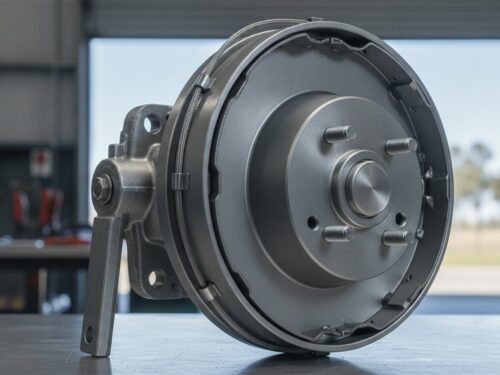
The coupling is the primary point of failure in most theft scenarios. If a thief cannot hitch your asset, they cannot tow it. When you are planning how to protect trailer from theft, your first priority must be the connection point. Standard fixed couplings are common on box trailers and are easy to secure with basic hardware. However, heavier units using 4-hole over-ride couplings require locks with larger clearances to account for the braking sub-assembly. A lock designed for a simple 2-hole unit often won’t fit a larger over-ride system.
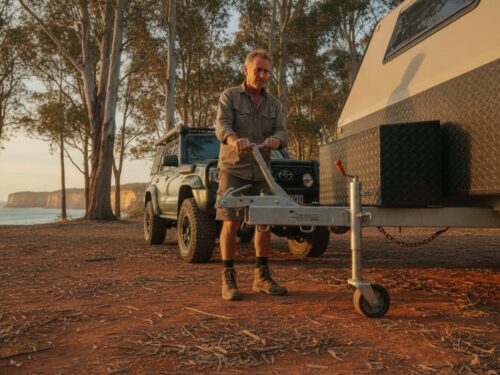
Specialised hardware like poly block off-road couplings provides a unique security advantage. These units don’t use a standard 50mm ball. A thief would need a specific car-side adapter to steal the trailer, which most opportunistic criminals don’t carry. This mechanical incompatibility is one of the most effective ways to deter a quick tow-away. Even when you’re temporarily parked at a job site, keep the trailer hitched and use a padlock through the coupling trigger. This prevents someone from unhooking you while you’re away from the vehicle.
Types of Coupling Locks
Internal ball-socket locks are a popular entry-level choice. These devices sit inside the coupling where the tow ball normally goes, preventing a thief from dropping your trailer onto a dummy ball. For higher security, use heavy-duty external housing locks. These encase the entire coupling mechanism in a steel box. “U-bolt” style coupler locks are particularly effective because they wrap over the top of the coupling, making it impossible to lift the handle and release the ball. Always choose a lock made from hardened steel. Soft metals and cheap alloys are easy targets for high-leverage bolt cutters. A visible, sturdy lock often forces a thief to look for a trailer with a simpler setup.
Securing the Receiver and Ball Mount
Security doesn’t stop at the trailer tongue. If you leave your trailer hitched to your vehicle, a thief might simply pull the hitch pin and take your entire ball mount. Use a lockable hitch pin to secure the mount to the vehicle’s receiver. This is especially important if you use weight distribution hitches. These systems are heavy and complex to set up. While that complexity deters some thieves, their high value makes them a target. Securing the vehicle-side connection ensures the trailer stays attached to your car, not theirs. You can also browse our range of heavy-duty couplings to find a more secure foundation for your next build.
Immobilising the Chassis: Wheel Clamps and Axle Security
Locking the coupling is only the first step. Thieves can still use a tow truck or simply push a small box trailer into a waiting van. To truly understand how to protect trailer from theft, you must immobilise the chassis itself. Wheel clamps are the most effective way to prevent “push-away” thefts in driveways or on job sites. While a heavy-duty chain and padlock offer some protection, they’re often vulnerable to high-leverage bolt cutters. A well-designed wheel clamp physically blocks the wheel from rotating. It is much harder to defeat without making significant noise.
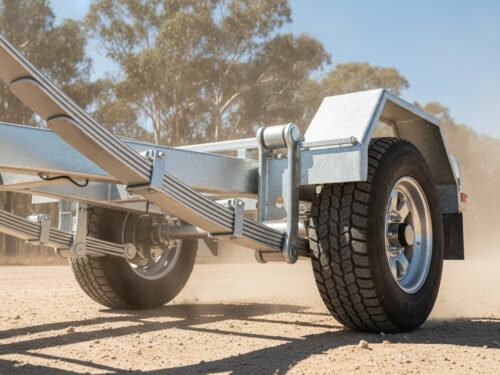
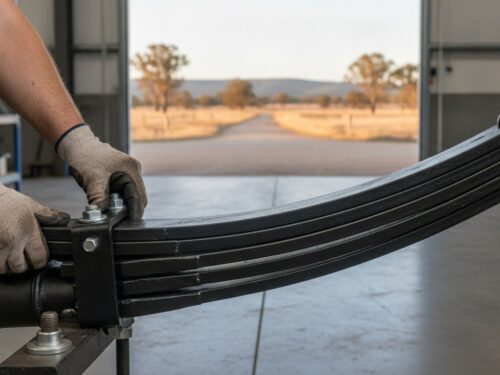
Chassis strength matters for security. Using heavy-duty trailer axles and high-capacity leaf springs provides a solid foundation for industrial security hardware. Flimsy, light-duty components can be bent or cut to bypass a lock. A 50mm square axle and a 5-leaf eye-to-eye spring set create a rigid frame that resists tampering. Don’t forget the spare tyre. It’s often the easiest component to steal. Secure it with a dedicated lock or a heavy-duty cable to avoid returning to a stripped trailer.
Choosing a Wheel Clamp
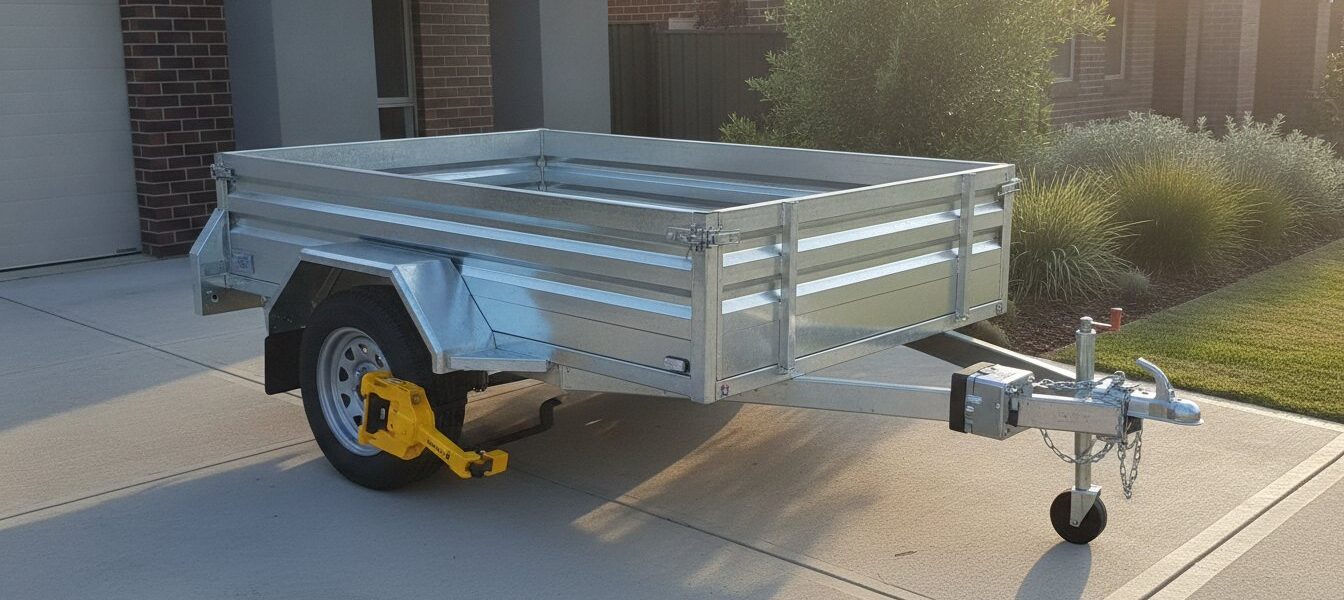
Pincer-style clamps are quick to install. They work well for short-term stops. However, full-disc covers offer superior protection. A full-disc clamp covers the wheel nuts. This prevents a thief from jacking up the trailer and swapping the locked wheel for a spare. Bright yellow or orange hardware serves as a powerful visual deterrent. It signals to a criminal that your trailer will require power tools and time to move. Most thieves will choose a less protected target rather than risk being caught in a slow, noisy theft.
Advanced Physical Barriers
For long-term storage, consider using heavy-duty security chains. Loop them through the chassis and secure them to a ground anchor. This adds a second layer of defence if the wheel clamp is compromised. Some owners choose to remove a wheel entirely when the trailer isn’t in use. This is effective but impractical for daily use. During your regular upkeep, check that your brakes and calipers are in good condition. A well-maintained braking system ensures that all mechanical components are responsive and secure. Physical barriers are about buying time. The more obstacles you place in a thief’s path, the safer your cargo remains.
Operational Security: Strategic Parking and Digital Tracking
Physical locks stop opportunistic thieves, but operational security prevents them from even trying. How and where you park determines the level of risk you carry. If you want to know how to protect trailer from theft, start by considering the layout of your property. A locked garage or secure warehouse is the gold standard. If those are unavailable, a fenced yard or a driveway where the trailer is “boxed in” by another vehicle is the next best option. Street parking is the highest risk. It provides a thief with a clear exit path and minimal obstacles.
The “hitch-first” parking method is a simple but effective deterrent. Instead of backing your trailer in, unhitch it and turn it around so the coupling faces a wall or a sturdy fence. This makes a quick tow-away impossible. A thief would need to manually rotate the trailer in the middle of the night to reach the hitch. Most criminals won’t risk the noise and extra time. They prefer targets they can hook up to in seconds. Brightly coloured trailers or those with prominent company branding also act as psychological barriers. These units are harder to hide and much more difficult to resell on the used market.
Smart Parking Tactics
Use your vehicle as a physical barrier. Park your car or truck directly in front of the trailer hitch. This forces a thief to move your vehicle before they can take your asset. Always park in well-lit areas. While lighting and CCTV are not physical barriers, they increase the risk of detection and provide essential evidence for police. Be cautious at rest stops or public car parks during long trips. Avoid unhitching your trailer in these areas. An unhitched trailer in a public space is a prime target for a rapid tow-away theft.
Digital Security and Recovery
If physical barriers fail, digital tracking is your last line of defence. The recovery rate for trailers without GPS is only 7%. Installing a tracker significantly increases your chances of getting your gear back. Hide the device within the trailer frame or inside secure toolboxes. Dedicated cellular GPS units are superior to Bluetooth tags. They provide real-time location data regardless of distance. Ensure you have detailed photos of your trailer and a list of specific trailer parts and markings. This documentation is vital for filing an accurate police report. If you need to upgrade your security setup, contact our team for expert advice on high-quality hardware.
Building a Secure Foundation with Quality Trailer Hardware
A secure trailer begins with the quality of its construction. If you use thin, lightweight materials, you are making the thief’s job easier. Learning how to protect trailer from theft involves choosing equipment that is difficult to dismantle. Bolt-together trailer kits are a significant security risk. A criminal with a basic socket set can disassemble these units and “part out” the components in a quiet driveway. In contrast, welded galvanised box trailers offer a unified structure. They require loud, high-heat tools to break down. This structural integrity acts as a powerful deterrent.
Securing the chassis components is equally important. High-quality U-bolt kits ensure that your axles and springs remain a permanent part of the trailer. If these parts are easily accessible, thieves may strip the trailer for its suspension and braking systems. By using premium, hardened hardware, you force the criminal to spend more time on-site. This increases their risk of being caught. A trailer that is difficult to take apart is a trailer that most thieves will ignore.
Securing Your Cargo
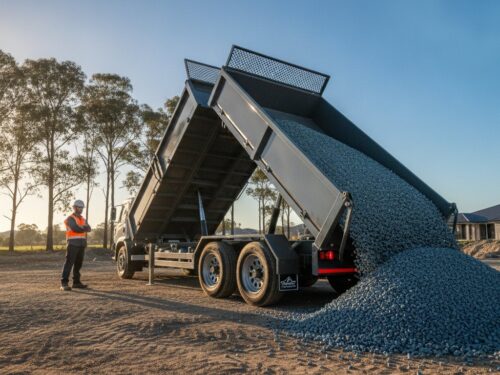
Cargo is often the primary motivation for theft. For those operating tipper trailers, use heavy-duty lockable covers and high-tensile tie-downs. These prevent “smash and grab” incidents where items are lifted out while the trailer is stationary at traffic lights or in a car park. Installing lockable toolboxes provides a second layer of protection for expensive hand tools and diagnostic gear. Inside these boxes, use shelving and dividers to keep items organised and out of sight. A thief who cannot see the value of the cargo is less likely to attempt a break-in.
The Superior Trailer Parts Approach
Effective security is about creating layers. No single lock is unbreakable, but a combination of a welded frame, a wheel clamp, and a coupling lock makes your asset an unattractive target. This is the core of how to protect trailer from theft. We provide the heavy-duty hardware required to build a secure foundation. From 50mm square axles to ADR-compliant couplings, our components are designed for durability and performance.
Maintain a proactive schedule for your security hardware. Check that your locks move freely and that your hitches are correctly adjusted. Lubricate moving parts regularly to prevent them from seizing in harsh conditions. If you need advice on selecting the right components for your build, contact our team. We understand the industrial and transport sector and can help you select the hardware that stands up to both the environment and the threat of theft.
Strengthen Your Asset Security Strategy
Effective security is never about a single lock. It’s about creating multiple layers of resistance that make your equipment a difficult target. By combining heavy-duty wheel clamps with high-grade coupling locks, you significantly reduce the risk of a tow-away theft. Strategic parking and digital tracking provide the final lines of defence, ensuring you have a recovery plan if physical barriers are breached. Understanding how to protect trailer from theft requires a focus on both physical hardware and smart operational habits.
Superior Trailer Parts has been Australian owned and operated since 2014. We provide the durable components needed to build a secure foundation, from 50mm square axles to ADR-compliant hitches. Our team offers expert technical support to ensure your setup meets all safety and compliance standards. We offer nationwide shipping on all components to get your gear secured quickly. Browse our range of high-strength trailer couplings and security-ready hardware to find a solution that fits your specific needs. Invest in quality hardware today and gain the peace of mind that comes with a professional security strategy.
Frequently Asked Questions
What is the best type of lock for a boat trailer?
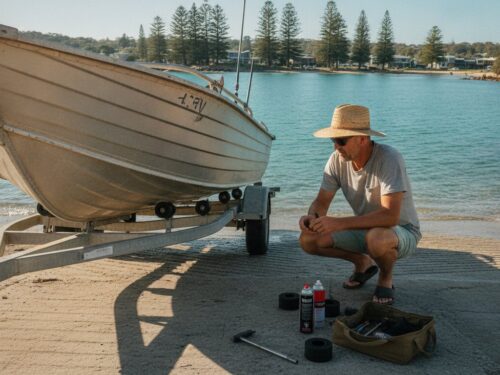
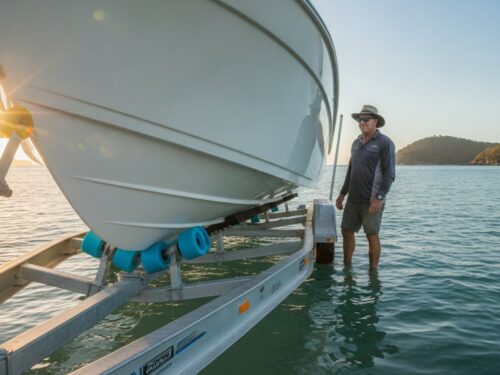
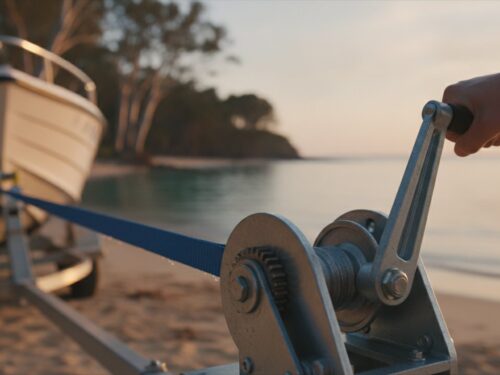
Use a lock made from marine-grade stainless steel or heavily galvanised materials to resist salt-water corrosion. Boat trailers often have specific coupling shapes to accommodate manual boat winches. A heavy-duty coupling lock that encases the entire trigger mechanism is usually the most effective choice for these setups. Ensure the lock doesn’t interfere with the winch handle or the safety chain attachment points.
Can a thief still steal my trailer if I use a wheel clamp?
A wheel clamp is a strong deterrent, but a determined thief with a grinder can eventually cut through it. The goal is to make the theft too slow and noisy to be worth the risk. Combine a wheel clamp with a coupling lock to force the criminal to defeat two different systems. This significantly increases the chance they’ll move to an easier target rather than risking detection.
Are GPS trackers for trailers worth the investment?
How do I secure my trailer when it is parked on the street?
Park with the hitch facing away from the road to make a quick tow-away impossible. This is a key step in how to protect trailer from theft when you don’t have a secure driveway. Use a bright yellow wheel clamp as a visual warning and ensure the safety chains are locked to the chassis. Don’t leave them hanging loose where they can be used to drag the trailer away.
Will a standard padlock work on my trailer coupling?
Standard padlocks are generally insufficient because their shackles are easily cut with basic bolt cutters. They often leave the coupling trigger exposed, allowing a thief to operate the mechanism even with the lock in place. You should use a purpose-built coupling lock that covers the entire assembly. These dedicated devices use shielded or hidden shackles that are much harder to access with cutting tools.
Does trailer insurance require specific anti-theft devices?
Many insurance policies mandate the use of a wheel clamp or a coupling lock when the trailer is unhitched. Some providers may refuse a claim if you haven’t used an industry-recognised security device. Always check your specific product disclosure statement to ensure your hardware meets their requirements. Using ADR-compliant components can also help demonstrate that you’ve taken reasonable steps to secure the asset.
How can I prevent my spare tyre from being stolen?
Secure your spare tyre with a dedicated wheel lock or a heavy-duty security cable looped through the trailer frame. Spare tyres are often held on by simple nuts that are easily removed with a standard wrench. Using a locking nut or a secondary chain ensures that this easily accessible component stays with your trailer. It’s a low-cost addition that prevents a common and frustrating type of opportunistic theft.
What should I do if my trailer is stolen?
Contact the police immediately and provide them with your trailer’s registration, serial number, and detailed photos. If you have a GPS tracker installed, provide the tracking data and real-time location to the officers. Don’t attempt to recover the trailer yourself. Let the authorities handle the situation using the evidence you’ve provided. Quick reporting is essential for a successful recovery before the trailer is dismantled.