Eyeballing your trailer level is a recipe for a highway disaster. If your tow vehicle sits with a heavy rear-end sag, you have already lost critical steering and braking efficiency. You need to understand how to set up a weight distribution hitch using precise mechanical measurements rather than visual guesswork. It’s the only way to ensure your rig remains stable when crosswinds or passing trucks try to push you off the road.
We know that staring at a pile of heavy hardware and multiple adjustment points can be confusing. It is a common frustration for many Australian travelers who just want a safe, level tow. This guide will help you master the mechanical process of leveling your load and eliminating trailer sway for good. You will learn the exact steps to restore your vehicle’s balance and regain the confidence needed for long-distance hauling. We’ll cover everything from initial height measurements to the final tensioning of your spring bars to ensure your setup complies with Australian standards.
Key Takeaways
- Understand how spring bars create leverage to transfer weight across your vehicle axles for improved steering and braking.
- Learn how to set up a weight distribution hitch using precise measurements on a level surface with a trip-ready load.
- Follow a clear sequence to mount the hitch head and secure the coupling for a balanced towing rig.
- Identify the mechanical differences between weight distribution and friction sway control to eliminate highway instability.
- Select ADR-compliant hardware and safety chains built to withstand the specific demands of Australian roads.
Understanding the Mechanics of Weight Distribution
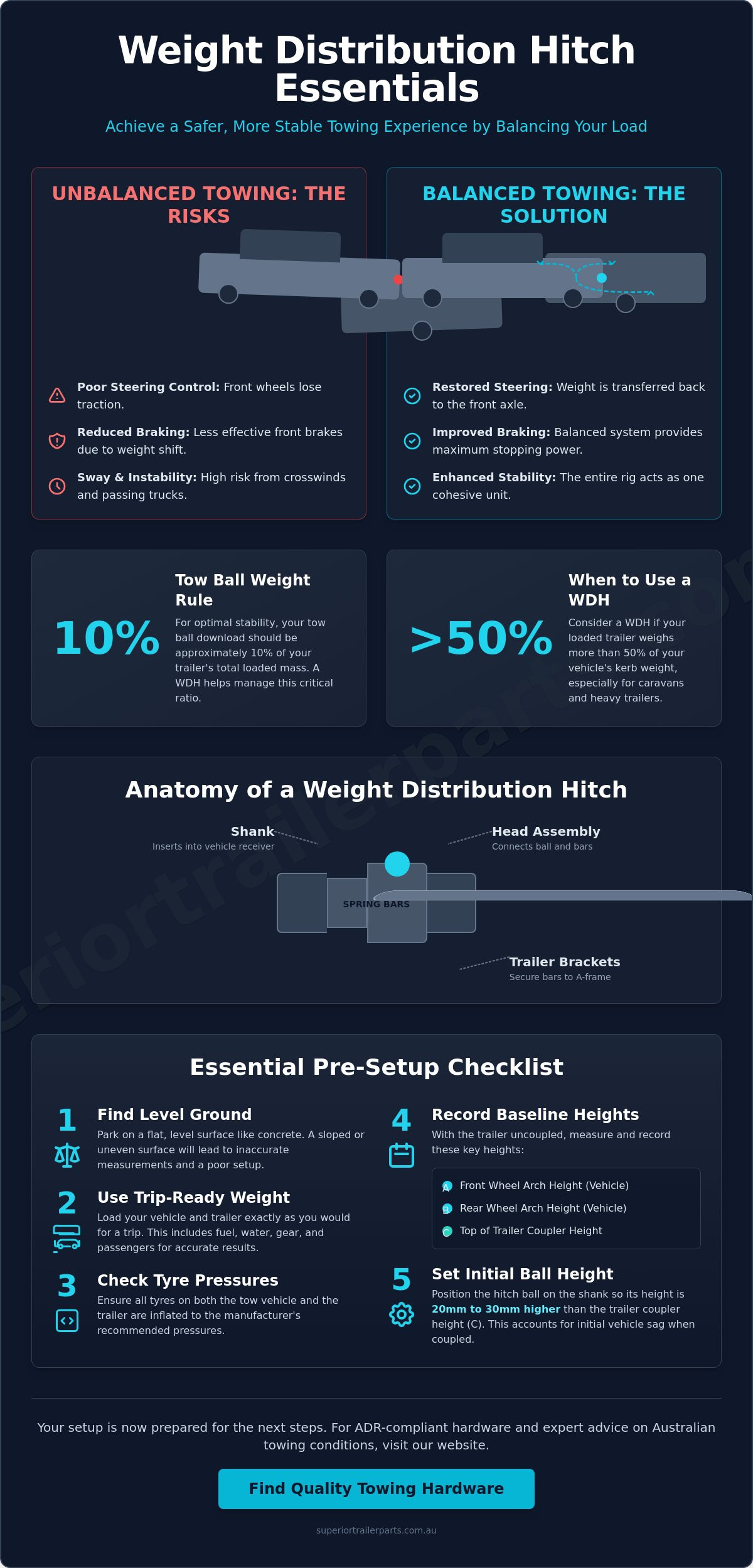
A Weight-distributing hitch is a mechanical leverage system designed to link the tow vehicle and trailer chassis into a single, cohesive unit. It’s not just a heavy-duty coupling. It’s a tool that applies physics to overcome the natural pivot point of the tow ball. When you learn how to set up a weight distribution hitch, you are essentially managing how weight is shared across every axle in the rig. This prevents the trailer from acting as a lever that pries the front wheels of your car off the road.
Think of the spring bars like the handles of a wheelbarrow. When you lift the handles of a wheelbarrow, you transfer the load from your arms toward the front wheel. In a towing rig, the spring bars apply upward pressure on the hitch head. This action lifts the rear of the tow vehicle and pushes that weight forward onto the front steering axle and back onto the trailer wheels. It is vital to remember that this system does not remove weight or increase your vehicle’s legal towing capacity. It simply redistributes the existing load to restore balance.
A standard setup consists of four core components:
- Shank: The heavy steel bar that slides into your vehicle’s hitch receiver.
- Head Assembly: The adjustable mounting point where the tow ball and spring bars connect.
- Spring Bars: Flexible steel rods that provide the tension needed for weight transfer.
- Trailer Brackets: Mounting points on the trailer A-frame that secure the bars.
The Role of Tow Ball Weight in Stability
The standard rule for stability in Australia is that tow ball download should be approximately 10% of the total loaded trailer mass. If your ball weight is too high, your vehicle’s rear suspension will compress excessively. This causes the front wheels to lose contact pressure, leading to light, unresponsive steering and reduced braking efficiency. Your headlights will also aim toward the sky, which is dangerous for oncoming traffic. Understanding how to set up a weight distribution hitch allows you to counteract these effects by shifting that downward force back to the front of the vehicle.
When to Use a Weight Distribution System
Consider a weight distribution system if your loaded trailer weighs more than 50% of your vehicle’s kerb weight. This is particularly important for long-wheelbase caravans and heavy boat trailers that exert high vertical pressure. The system works in tandem with your trailer axles and heavy-duty chassis to maintain a level profile. It ensures your hardware operates within its designed safety margins, providing the stability needed for high-speed highway travel and heavy winds.
Pre-Installation Measurements and Vehicle Levelling
Precision is the foundation of a safe tow. You cannot learn how to set up a weight distribution hitch effectively on a sloped driveway or a gravel patch. Park the entire rig on a flat, level concrete surface. Accuracy at this stage prevents mechanical issues once you hit highway speeds. Both the tow vehicle and the trailer must be at their trip-ready weight. This means filling water tanks, loading fuel, and packing all gear you intend to carry. If you measure an empty trailer and then load a metric tonne of equipment, your settings will be dangerously incorrect.
Before pulling out the tape measure, verify the tyre pressures on both units. Under-inflated tyres will skew your height readings and compromise the stability of the hitch. You will need a steel tape measure, a spirit level, and a set of heavy-duty spanners or a socket set. Following official safety information on towing ensures your baseline data is reliable before you begin the physical installation.
Establishing the Baseline Heights
Start by measuring the uncoupled height of the tow vehicle. Measure from the ground to the highest point of the front and rear wheel arches. Record these figures clearly. These numbers represent the factory balance of your vehicle. Next, use a spirit level on the trailer frame to ensure it sits perfectly horizontal. Measure from the ground to the top of the trailer coupler. These baseline measurements are the only way to track how much weight you are successfully redistributing later in the process.
Initial Head Assembly Positioning
Insert the hitch shank into the vehicle’s receiver. You must determine if you need a rise or a drop to match the trailer’s height. Position the hitch ball so it sits roughly 20mm to 30mm higher than the trailer coupler. This slight elevation accounts for the initial compression of the vehicle’s rear suspension when the trailer is first dropped onto the ball. If your current hardware shows signs of wear or rust, consider upgrading your couplings and parts before finalizing the setup. The head assembly also features a tilt adjustment. This tilt determines the angle of the spring bars; a backward tilt increases the tension applied to the bars. Mastering this tilt is a key part of learning how to set up a weight distribution hitch for maximum efficiency.
Step-by-Step Weight Distribution Hitch Installation
Begin by mounting the hitch head to the shank using the height and tilt settings determined in your pre-installation check. Secure the bolts finger-tight for now; you’ll apply final torque once the rig is level. Back your vehicle up and couple the trailer to the hitch ball. Ensure the coupling is locked and the safety pin is engaged. This is a critical safety point. A loose coupling during the tensioning process can lead to mechanical failure or injury. Check that your safety chains are clear of the hitch components before proceeding.
Once coupled, use the trailer’s jockey wheel or power jack to raise the trailer tongue while it remains attached to the vehicle. You aren’t just lifting the trailer; you’re lifting the rear of the tow vehicle as well. Raising the units together reduces the amount of physical force required to snap the spring bars into place. Understanding how to set up a weight distribution hitch involves using this mechanical advantage to protect your back and your equipment. Slide the spring bars into the hitch head sockets and ensure they click into the retained position. They should swing freely toward the trailer frame without binding.
Engaging the Spring Bars Safely
Swing the spring bars toward the trailer A-frame and align them with the brackets. If your system uses chains, mark the specific link that provides the required tension. If it uses L-brackets, note the correct hole position. Use the provided lift tool to lever the brackets upward into the locked position. Always stand to the side while doing this to avoid the path of the tool if it slips. Check the tension using the “two-finger” rule. You should be able to move the bars slightly with two fingers. This indicates they’re under tension but still have the flex needed for cornering and suspension travel.
Final Torque and Safety Checks
Retract the trailer jack until the full weight of the rig settles on the suspension. It’s time to verify your work. Re-measure the front and rear wheel arches of the tow vehicle. The front arch height should have returned as close to the baseline measurement as possible, usually within 10mm of the uncoupled height. If the front is still too high, you need more tilt on the head or a tighter chain link. Once the levels are correct, use a heavy-duty torque wrench to tighten all head assembly bolts to the manufacturer’s torque requirements. Mastering how to set up a weight distribution hitch is a repeatable skill that guarantees a safer journey. If you notice any component fatigue during this process, inspect your caravan parts for wear before you head out on the road.
Troubleshooting Sway and Fine-Tuning Your Setup
Even after learning how to set up a weight distribution hitch, your rig might still feel nervous at highway speeds. This instability is usually caused by confusing weight distribution with sway control. A WDH uses leverage to level your vehicle; it does not mechanically prevent the side-to-side pivot of the trailer. High-profile caravans act like giant sails in crosswinds. If you experience lateral movement, you likely need a separate friction sway control unit to complement your setup. Leverage restores steering, but friction stops the tail from wagging the dog.
Mechanical wear is another common culprit for poor handling. Inspect your hardware before every long trip. Check the hitch head for hairline cracks and ensure the spring bar sockets aren’t elongated from excessive friction. Grit and road grime act like sandpaper on moving parts. Clean and grease the friction surfaces of the hitch head regularly. If you find excessive play or damaged components, replace your couplings and parts immediately to maintain the integrity of the system.
Common Setup Mistakes to Avoid
Never use a weight distribution hitch on trailers equipped with surge or override brakes. The tension from the spring bars can physically prevent the sliding coupling from moving, which disables your trailer brakes. This is a dangerous oversight that many generic guides ignore. Additionally, avoid the temptation to over-tighten the bars to compensate for an overloaded vehicle. Over-tensioning can lift the rear wheels of the tow vehicle enough to lose traction on wet roads. Finally, always disconnect your spring bars before navigating steep driveways or off-road tracks. The extreme articulation will put immense stress on the A-frame and can snap the bars or brackets.
Adjusting for Different Load Profiles
Your setup isn’t a permanent “set and forget” solution. Moving heavy gear like water containers or spare tyres inside the trailer changes your tow ball mass. If you add weight to the rear of the caravan, the ball weight drops, which can actually increase sway. Use a spirit level on the trailer frame to confirm you are still towing “flat” after loading. You can tweak the head angle by adding or removing washers in the tilt mechanism to increase or decrease bar tension. This fine-tuning is an essential part of knowing how to set up a weight distribution hitch for various travel conditions. If you need to upgrade your hardware for better stability, browse our range of heavy-duty couplings and hitch components today.
Selecting Quality Towing Hardware for Australian Conditions
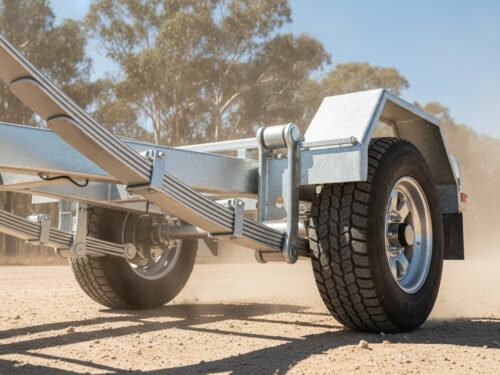
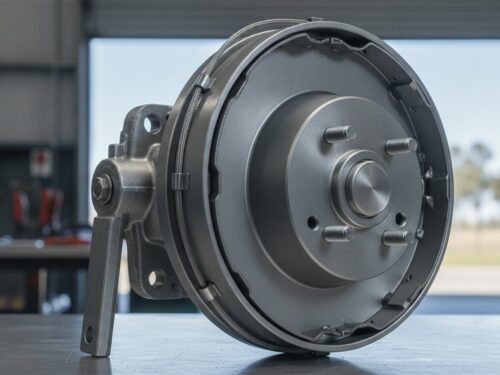
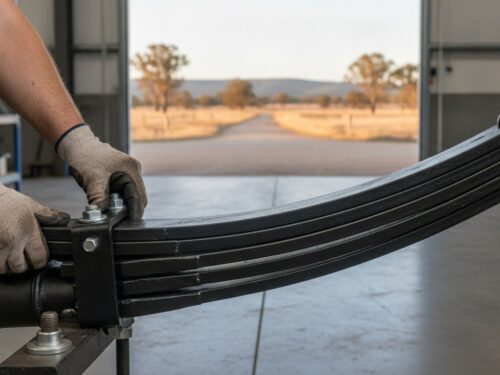
Towing stability is also heavily dependent on the condition of your trailer axles and suspension system. If your springs have lost their tension, the weight distribution hitch will struggle to level the rig effectively. This creates a dangerous cycle of over-adjusting the spring bars to compensate for weak suspension. Check your galvanised U-bolts for tightness and inspect your leaf springs for cracks periodically. Total stopping power requires a reliable braking system. Pair your level rig with high-quality trailer brakes to manage the momentum of a level, high-speed combination.
The Superior Trailer Parts Advantage
We offer a no-nonsense approach to quality. Our hardware is built for the industrial and transport sectors, where durability is the only metric that matters. You get direct access to expert technical support for even the most complex towing configurations. We provide technical specifications and reliable parts rather than marketing rhetoric. Our nationwide shipping ensures you can get critical towing components delivered fast to any region. We stand firmly behind our products because we know the conditions they must endure.
Next Steps for Your Towing Rig
Regular maintenance keeps your setup safe and functional. Clean the spring bar pivot points and brackets after every trip to remove abrasive road grime. Apply a small amount of multipurpose grease to the hitch head sockets to reduce friction and wear. Always carry a dedicated torque wrench to check the head assembly bolts. Vibrations from rough roads can loosen even the tightest fasteners over time. If you need more information on how to set up a weight distribution hitch or require specific replacement parts, we are ready to assist. Contact our experts for tailored towing advice and ensure your rig is ready for the road.
Secure Your Rig for the Long Haul
Mastering how to set up a weight distribution hitch is the most effective way to restore steering control and eliminate dangerous trailer sway. You now understand that this is a mechanical system built on precise measurements rather than guesswork. By establishing a baseline uncoupled height and adjusting your spring bar tension; you ensure your vehicle and trailer operate as a single, balanced unit. This setup is essential for maintaining braking efficiency and protecting your suspension from premature wear on long-distance trips.
Shop ADR-Compliant Weight Distribution Hitches and Couplings
Safe towing is a skill that improves with every trip. Take the time to perform your safety checks and enjoy the confidence of a level tow on your next journey.
Frequently Asked Questions
Can I use a weight distribution hitch with an override brake system?
You cannot use a weight distribution hitch with override brakes. The tension from the spring bars interferes with the sliding mechanism of the 4 hole over-ride coupling. This prevents the trailer brakes from activating when the tow vehicle slows down. If your trailer relies on mechanical override braking, using a WDH is dangerous and technically incompatible with the braking system’s design.
Do I need to remove the spring bars when reversing my trailer?
You should remove the spring bars before reversing into tight spots. Sharp jackknife angles create immense lateral pressure on the hitch head and trailer brackets. This stress can bend the bars or rip the brackets off the A-frame. Taking two minutes to disconnect the bars saves your hardware from expensive structural damage during low-speed maneuvers in caravan parks or driveways.
How much tow ball weight is too much for a weight distribution hitch?
Every hitch has a specific maximum tow ball weight rating stamped on the head or shank. Most Australian-spec hitches handle between 135kg and 350kg of ball download. You must never exceed the lower of the two ratings between your vehicle’s tow bar and the WDH itself. Overloading these components leads to metal fatigue and potential hitch failure at highway speeds.
Will a weight distribution hitch stop my trailer from swaying entirely?
A weight distribution hitch won’t stop sway entirely because it is a leveling tool, not a dampening tool. While it improves steering and braking by restoring front-axle weight, it doesn’t provide the friction needed to resist side-to-side movement. Knowing how to set up a weight distribution hitch is the first step, but you may still require a friction sway bar for high-profile caravans.
How do I know if my spring bars are too tight or too loose?
Your wheel arch measurements tell you the truth about bar tension. If the front wheel arch is lower than your uncoupled baseline, the bars are too tight and are prying the rear wheels off the ground. If the front is still sitting high, the bars are too loose. You should be able to move the bars slightly with firm pressure from two fingers when they’re correctly engaged.
Can a weight distribution hitch damage my trailer frame?
A WDH can damage a trailer frame if the spring bars are over-tensioned or the chassis is too light. Excessive leverage puts high stress on the A-frame where the brackets are mounted. Always verify your trailer manufacturer supports the use of weight distribution systems. This is especially important for lightweight or older trailers that weren’t engineered for these high-tension loads.
What is the difference between a load leveller and a weight distribution hitch?
There is no functional difference; they are different names for the same leverage system. Load leveller is a traditional term, while weight distribution hitch is the technical industry standard. Both systems use high-tensile spring bars to redistribute the tow ball mass across the vehicle axles. They both serve the same purpose of restoring a level towing profile for better handling.
Do I need a different hitch for off-road towing in Australia?
You need specialized hardware for off-road conditions. Standard weight distribution hitches lack the vertical and horizontal articulation required for tracks and washouts. For these environments, use a poly block off-road coupling. You should also understand how to set up a weight distribution hitch for the highway portions of your trip and disconnect it completely once you leave the bitumen for undulating terrain.