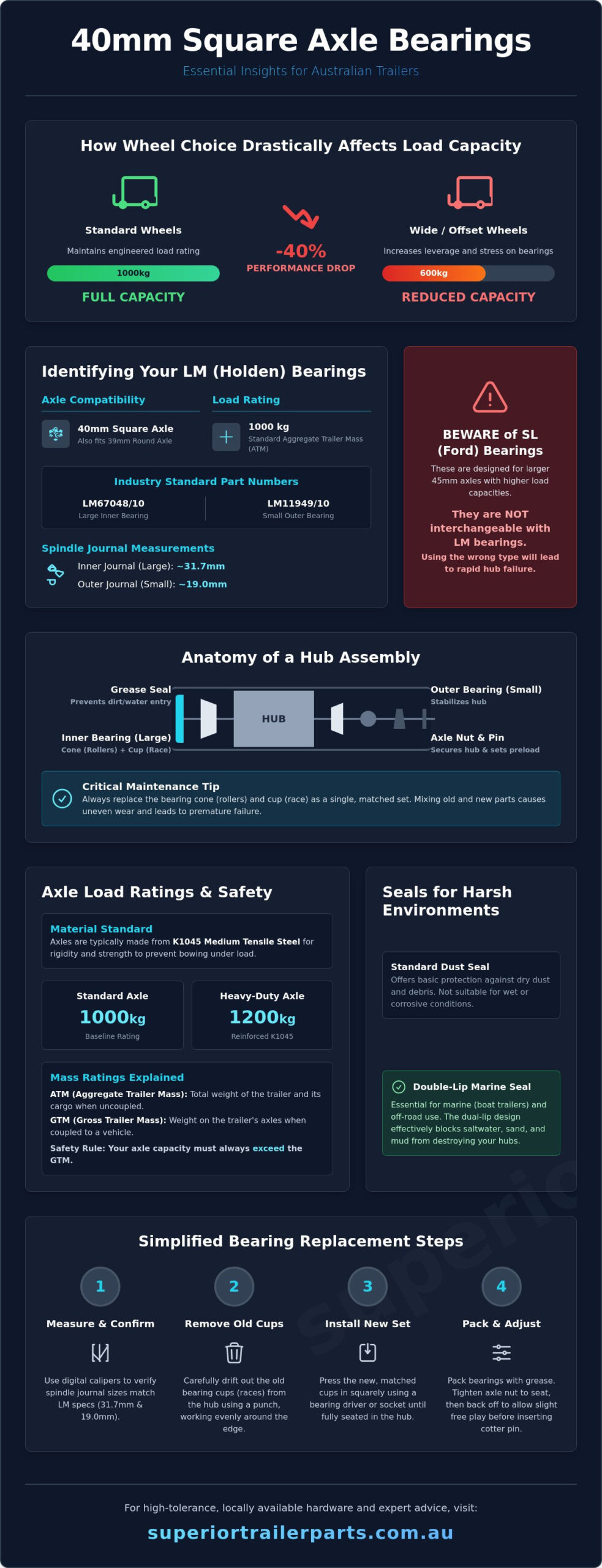
A 40mm square axle rated for 1000kg can have its load capacity slashed to just 600kg simply by fitting wide tires. This massive performance drop highlights why precision is the only priority when selecting 40mm square axle bearings. Choosing between LM (Holden) and SL (Ford) sets often causes unnecessary confusion, but getting it wrong leads to seized hubs and dangerous roadside breakdowns. You need a perfect fit to ensure your trailer handles the heavy loads it was built to carry.
It’s frustrating to deal with mechanical failures that could have been avoided with a simple measurement or the correct part number. We’ll show you how to identify the specific LM67048 and LM11949 bearings required for your axle and how to select the right components for your specific setup. You’ll learn the maintenance routines that extend bearing life and keep your trailer compliant with current Australian standards. These steps cover weight limit variations and the practical actions needed to keep your gear reliable, ensuring you spend more time on the road and less time under a jack.
Key Takeaways
- Identify the correct LM/Holden bearing set numbers to ensure a precise fit for standard Australian light-duty trailers.
- Understand how 40mm square axle bearings support a 1000kg load rating and why steel grade impacts overall towing safety.
- Protect marine and off-road setups by using double-lip seals to prevent salt water and dust from destroying your hubs.
- Master the correct techniques for removing old races and adjusting new bearings to prevent premature mechanical failure.
- Learn why sourcing high-tolerance, locally available hardware provides better long-term reliability than unbranded budget alternatives.
Understanding the LM Standard for 40mm Square Axles
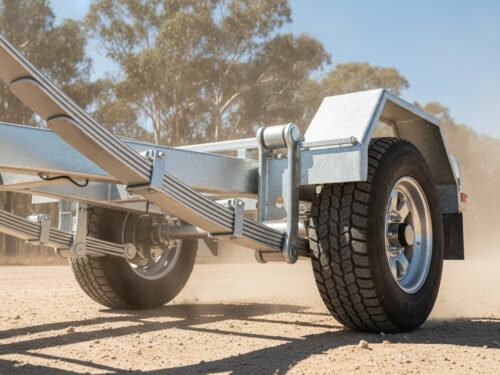
The 40mm square axle is a standard component for light-to-medium duty trailers across Australia. It provides a reliable balance between weight and strength for most single-axle box trailers. These axles typically use a specific machined end known as the LM or Holden turn. This standard determines which bearings will fit the spindle. If you own a trailer with a 40mm square beam, you’re almost certainly using 40mm square axle bearings from the LM series. Choosing the right 40mm square axle bearings means knowing your part numbers and understanding how they interface with the spindle.
The term “LM” refers to a specific size profile that has become the industry benchmark. While the main beam of the axle is 40mm square steel, the ends are machined down to precise diameters to accept the bearings. Interestingly, 39mm round axles and 40mm square axles often share the exact same bearing “turn.” This means the hub and bearing kits are often interchangeable between these two axle types. You can identify the correct set by looking for the specific industry part numbers: LM67048/10 for the large inner bearing and LM11949/10 for the small outer bearing.
The Anatomy of an LM Bearing Set
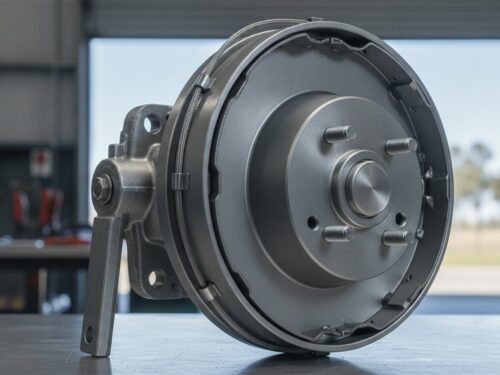
Most trailer setups rely on Tapered roller bearings to handle both radial and axial loads. An LM bearing set consists of two distinct parts: the inner and outer bearings. The inner bearing sits closer to the trailer body and handles the bulk of the vertical weight. The outer bearing sits near the hub nut and helps stabilize the hub during turns. Each bearing has a “cone” which contains the rollers and an “inner race,” and a “cup” which is the outer race pressed into the hub. You must always replace the cup and cone as a matched set. Mixing old cups with new cones causes uneven wear and leads to rapid failure. Don’t take shortcuts with these components.
Why 40mm Square Axles Use Holden Bearings
The Australian trailer industry adopted the “Holden” standard decades ago because parts were easy to find in every regional town. This historical connection to the Holden motor vehicle line ensures that spares are always available when you’re in a bind. It’s a practical choice for manufacturers and users alike. You should distinguish these from the larger SL or “Ford” bearings. SL bearings are typically designed for 45mm axles and have a higher load capacity. Using an LM set on a 40mm axle generally limits your rating to 1000kg. Stick to the Holden standard for reliability and ease of maintenance during long-distance hauls.
Load Ratings and Technical Specifications
A standard 40mm square axle is typically rated for a maximum load of 1000kg. This rating assumes the use of K1045 medium tensile steel, which provides the necessary rigidity to prevent the beam from bowing under pressure. When an axle flexes excessively, it misaligns the 40mm square axle bearings, leading to heat buildup and eventual seizure. You must understand the distinction between Aggregate Trailer Mass (ATM) and Gross Trailer Mass (GTM) to stay within safe limits. ATM is the total weight of the trailer and its cargo when uncoupled. GTM is the weight transmitted to the ground through the tires when the trailer is hitched to your vehicle. Your axle rating must always exceed the GTM to ensure safe operation.
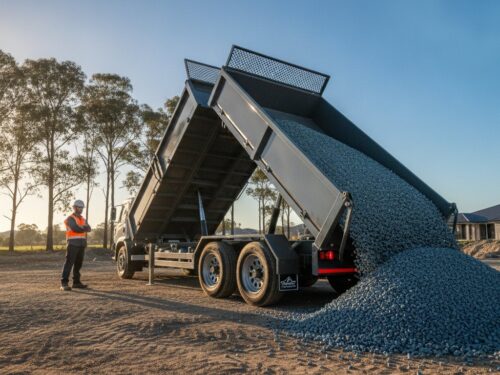
Tandem configurations require extra caution. While two 40mm axles might theoretically support 2000kg, the suspension system and frame strength often dictate a lower practical limit. Overloading a tandem setup can cause uneven weight distribution, putting extreme stress on a single set of bearings during uneven road conditions. If you are planning a new build or upgrading an existing unit, browse our range of 40mm square axles to ensure your hardware matches your intended load.
Standard vs. Heavy-Duty 40mm Axle Ratings
While 1000kg is the baseline, some reinforced K1045 axles are rated up to 1200kg. This higher rating usually requires precision machining and high-quality steel. However, wheel offset plays a critical role in these calculations. Fitting wide tires or “deep dish” rims increases the leverage on the outer bearing. This extra torque can effectively reduce a 1000kg rated axle to just 600kg of safe capacity. Always keep your wheels as close to the hub face as possible to maintain the engineered load rating of your 40mm square axle bearings.
Measuring Your Axle for Replacement Bearings
Never guess your bearing sizes based on the axle shape alone. Measurement is the only way to confirm the required parts. Use a set of digital calipers to check the bearing journals on the spindle. A standard Holden/LM spindle should measure approximately 31.7mm on the large inner journal and 19.0mm on the small outer journal.
- Clean the spindle thoroughly with a rag and degreaser before measuring.
- Check for “spun” journals, which appear as polished, blue, or scored rings on the steel.
- Verify the seal diameter, which is typically 37.5mm for standard LM setups.
If the spindle shows signs of heat damage or the diameter has decreased by more than 0.1mm, the axle is compromised. A loose fit will cause the bearing to rotate on the shaft rather than the rollers, leading to a catastrophic failure on the road.
Selecting Bearings for Marine and Off-Road Environments
Operating a trailer in Australia often means exposing hardware to extreme conditions. For boat owners, salt water ingress is the most common cause of hub failure. When you submerge a warm hub into cold water, the air inside contracts. This creates a vacuum that sucks water past the seals and directly into your 40mm square axle bearings. Once salt water reaches the rollers, corrosion begins almost immediately. This process quickly leads to pitting and eventual seizure during your next highway trip.
Standard rubber seals are designed to keep grease in, but they aren’t effective at keeping water out under pressure. You should always use double-lip marine seals for any trailer that enters the water. These seals feature two contact points on the axle spindle to provide a superior barrier. To further protect your investment, install bearing protectors such as Bearing Buddies. These spring-loaded caps maintain a slight internal pressure within the hub. This positive pressure prevents the vacuum effect during submersion, ensuring that water cannot enter the assembly.
Grease selection is just as critical as the hardware itself. While standard lithium-based grease works for dry-land box trailers, it can emulsify when mixed with water. For marine applications, always use a high-tack, water-resistant marine grease. These specialized lubricants are engineered to stay in place even when exposed to moisture, providing a constant protective film over the bearing surfaces. If you’re maintaining a vessel, check our boat trailer parts for compatible seals and grease kits.
Marine Bearing Kits for 40mm Axles
A high-quality marine kit should include more than just the bearings. Look for kits that provide stainless steel seal runners. These sleeves fit over the axle spindle to provide a perfectly smooth, corrosion-free surface for the seal to ride on. Without a stainless runner, the seal will eventually wear a groove into the mild steel axle, creating a permanent leak path. When installing, pack the bearings by hand until grease is forced through the rollers. Don’t rely on the grease nipple alone to fill the void.
Off-Road and Dust Considerations
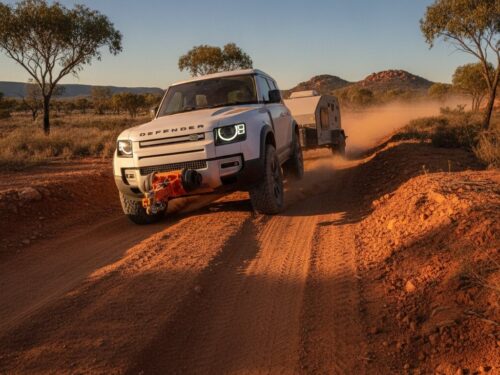
Outback towing presents a different challenge: fine bull dust. This abrasive material can act like grinding paste if it bypasses your seals. For long-distance trips on unsealed roads, inspect your hub caps for leaks daily. If you see grease weeping from the cap or the rear seal, dust is likely getting in. We recommend a full bearing service every 5,000 kilometers when traveling extensively on dirt roads. This frequent maintenance allows you to identify dust ingress before it destroys the 40mm square axle bearings and leaves you stranded in a remote location.
Step-by-Step Bearing Replacement and Adjustment
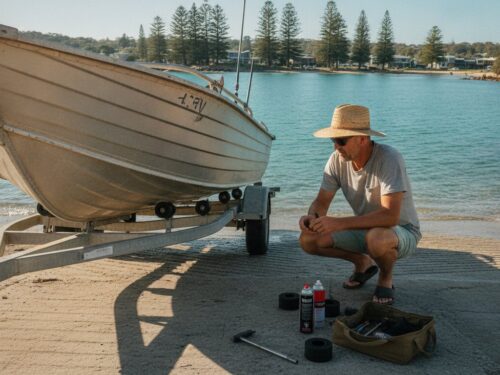
Proper maintenance begins with the right environment. Park your trailer on a flat, solid surface and chock the wheels on the opposite side. Use a jack rated for your trailer’s GTM and always support the frame with sturdy jack stands. Never rely on the jack alone while working under the hubs. You’ll need a hammer, a brass or steel drift, a tub of degreaser, and plenty of clean rags. Once you’ve removed the dust cap and split pin, slide the hub assembly off the spindle. Keep the components organized on a clean workspace to avoid grit contamination.
Total removal of old grease is non-negotiable. Use a solvent-based degreaser to strip the hub cavity and spindle of all lubricants. Old grease often hides microscopic metal shavings from previous wear. If these particles remain, they will act as an abrasive and destroy your new 40mm square axle bearings within a few hundred kilometers. Inspect the spindle for any signs of “bluing” or scoring. A healthy spindle should be smooth and have a consistent diameter across the bearing journals. If you find significant damage, you may need to replace the entire assembly. You can find high-quality replacement 40mm square axles to ensure your trailer remains safe for heavy hauling.
Removing and Seating Bearing Cups
To remove the old bearing cups (races), use your hammer and drift through the center of the hub. Most hubs feature two notches behind the cup to allow access for the drift. Tap the cup out by moving the drift around the circumference to prevent it from wedging. When seating the new cups, ensure they are perfectly square to the hub bore. Use an old cup or a dedicated driver to tap them in until they bottom out against the internal shoulder. Listen for a change in the sound of the hammer strikes; a sharp “ring” indicates the cup is fully seated. If the cup drops in with no resistance, your hub bore is likely “spun” and the hub must be replaced.
The Art of Hub Adjustment
Correct preload determines the longevity of your 40mm square axle bearings. After packing the cones with grease and sliding the hub onto the spindle, install the washer and castle nut. Tighten the nut with a wrench while rotating the hub by hand. This seats the bearings and forces out excess grease. Back the nut off about half a turn, then “nip it up” with your fingers until it’s just firm. The hub should spin freely without any audible growl, but there should be no perceptible “rock” when you pull on the tire. Align the castle nut with the hole in the spindle and secure it with a new split pin. Never reuse an old split pin, as metal fatigue can cause it to snap under vibration.
Sourcing High-Quality Axle Hardware in Australia
Locally sourced axles and components provide a level of accountability that unbranded imports cannot match. Superior Trailer Parts ensures that all hardware meets the rigorous requirements of the Australian Design Rules (ADRs). Since the transition to mandatory ADR compliance for all new trailers, using verified, high-tolerance parts is essential for both safety and legal registration. We recommend purchasing complete bearing kits rather than individual components. A proper kit includes the inner and outer bearings, matched cups, a high-quality seal, and a new split pin. This ensures every part of the assembly is fresh and designed to work together without compatibility issues.
Why Quality Materials Matter
The longevity of your hub assembly depends on the interaction between the bearing rollers and the race. High-grade steel prevents the “brinelling” or indenting that occurs when a trailer sits idle or hits a pothole. Precision machining ensures that the 40mm square axle bearings seat perfectly square against the spindle. This alignment is what allows for the 1000kg to 1200kg ratings required for modern transport. Our commitment to durable, haul-ready hardware means you spend less time performing emergency repairs and more time on the move.
National Support and Expert Advice
Choosing the right configuration for a custom build or a complex repair requires technical knowledge. Accessing expert support helps you avoid costly mistakes before you start wrenching. Whether you are building a single-axle box trailer or a heavy-duty tandem setup, we provide the hardware needed for a professional result. You can order 40mm square axles and other essential trailer parts for delivery across Australia. For custom requirements or bulk trade inquiries, contact us to speak with a specialist who understands the demands of the Australian industrial and transport sectors.
Secure Your Trailer for the Long Haul
Precision is the difference between a successful trip and a costly breakdown. You now know that identifying the correct LM part numbers and maintaining proper preload are essential for the performance of your 40mm square axle bearings. Whether you’re navigating salt water at a boat ramp or towing across unsealed outback roads, using ADR-compliant hardware ensures your trailer remains safe and legal. High-quality steel and double-lip seals provide the resilience needed for harsh Australian conditions.
Don’t leave your safety to chance with unbranded components. We provide ADR-compliant engineering and expert technical support to help you find the right fit for your specific setup. Our team understands the demands of the transport sector and stands behind every product we supply. Browse our range of high-quality trailer axles and bearings today and benefit from our nationwide Australian shipping. Proper maintenance and reliable parts keep your gear on the road and your cargo secure for every journey ahead.
Frequently Asked Questions
Do 40mm square axles always use Holden bearings?
Most 40mm square axles in the Australian market use the LM or Holden bearing standard. This is the industry benchmark for light-to-medium duty trailers. While custom spindles exist, the LM67048/10 and LM11949/10 set is the standard fitment for these axles. Always measure your spindle journals with calipers to confirm the size before purchasing replacements because spindles don’t always follow the standard.
Can I use 40mm square axles for a boat trailer?
How often should I grease my 40mm square axle bearings?
Repack your bearings every 10,000 kilometers for standard highway use. If you frequently tow on unsealed roads or in dusty conditions, reduce this interval to 5,000 kilometers. Boat trailers require more frequent attention and should be inspected after every submersion. Regular greasing flushes out contaminants and maintains a protective film on the rollers, preventing heat-related failures that lead to roadside breakdowns.
What is the maximum weight a 40mm square axle can carry?
A standard 40mm square axle is rated for 1000kg. High-tensile K1045 steel versions can sometimes reach a 1200kg rating. Fitting wide tires or wheels with a significant offset increases leverage on the spindle. This can reduce the safe load capacity to as little as 600kg. Always check the manufacturer’s rating and your tire specifications to stay within safe limits and avoid bending the axle beam.
How do I know if my trailer bearings need replacing?
Check for physical signs of wear like rumbling noises or vibration while towing. Jack up the trailer and spin the wheel; it should move quietly and smoothly. If it doesn’t spin smoothly or you feel a “rock” when pulling the tire, the bearings are worn. Excessive heat on the hub face after a short drive is a clear indicator that the 40mm square axle bearings are failing and require immediate replacement.
What is the difference between LM and SL bearings?
Dimensions and load capacity are the primary differences. LM (Holden) bearings suit lighter loads up to 1000kg and fit 39mm or 40mm axles. SL (Ford/Slimline) bearings are larger and typically rated for 1450kg on a 45mm axle. These two standards aren’t interchangeable. You must match the bearing set to the specific machining on your axle spindle to ensure a safe fit and prevent hub damage.
Can I upgrade my 40mm axle to carry more weight?
You can’t upgrade a 40mm axle’s capacity without replacing the entire beam. The load rating is determined by the physical thickness of the steel and the diameter of the bearing journals. If your requirements exceed 1200kg, you should move to a 45mm or 50mm square axle. Upgrading the springs or tires alone won’t increase the structural limit of the axle beam or the bearings it uses.
Should I replace the hub and the bearings at the same time?
Replace the hub only if the internal bearing seat is damaged. Inspect the hub bore after removing the old cups. If the new cup slides in by hand or won’t stay tight, the hub is “spun” and no longer safe. If the hub is structurally sound, simply replace the bearing cups and cones as a matched set. Always use a new seal and split pin during reassembly to ensure the hub stays secure.