Building your own trailer isn’t always about saving the first dollar. It’s often about investing in superior component quality and specific utility that mass-produced units cannot match at the same price point. When you ask is building a trailer cheaper than buying, you must look beyond the raw cost of steel and components. High-quality factory trailers often carry a heavy price tag, while cheap imports can leave you questioning their structural integrity during a heavy haul.
We understand the frustration of sticker shock and the confusion surrounding registration and compliance for home-built units. This practical analysis compares the actual costs of DIY construction against purchasing a factory-built model. You’ll learn about material expenses, the mandatory safety standards outlined in Vehicle Standards Bulletin 1 (VSB 1), and how state-specific registration fees impact your total investment. This information gives you the confidence to choose between a custom build or a reliable pre-built model based on performance and long-term value.
Key Takeaways
- Compare the upfront costs of Australian-standard galvanised steel and running gear against retail floor prices.
- Determine if is building a trailer cheaper than buying by evaluating the value of custom fabrication versus mass-market alternatives.
- Factor in the mandatory registration and inspection fees required to meet VSB1 compliance standards.
- Identify the technical differences between mass-produced budget units and over-engineered DIY frames.
- Learn which user profile benefits most from a high-spec custom build versus a standard pre-built model.
The Financial Reality: Building vs Buying a Trailer in Australia
A Trailer (vehicle) is a significant investment for any tradesperson or weekend hauler. When you start calculating if is building a trailer cheaper than buying, the initial sticker price on a retail floor model can be deceiving. A factory-built unit includes the cost of raw materials, assembly labor, and overheads. It also carries a retail markup that covers dealership profit margins and logistics. These margins often account for a substantial portion of the final price you see at the yard.
Factories benefit from the economy of scale. They purchase galvanised RHS and angle iron by the tonne, securing lower rates than a DIY builder buying individual lengths from a local steel merchant. They also source standard parts like hubs and bearings in bulk shipments. However, these savings are frequently offset by the costs of transporting fully assembled units across Australia. Shipping a finished 8×5 tandem trailer is far more expensive than shipping a pallet of individual components.
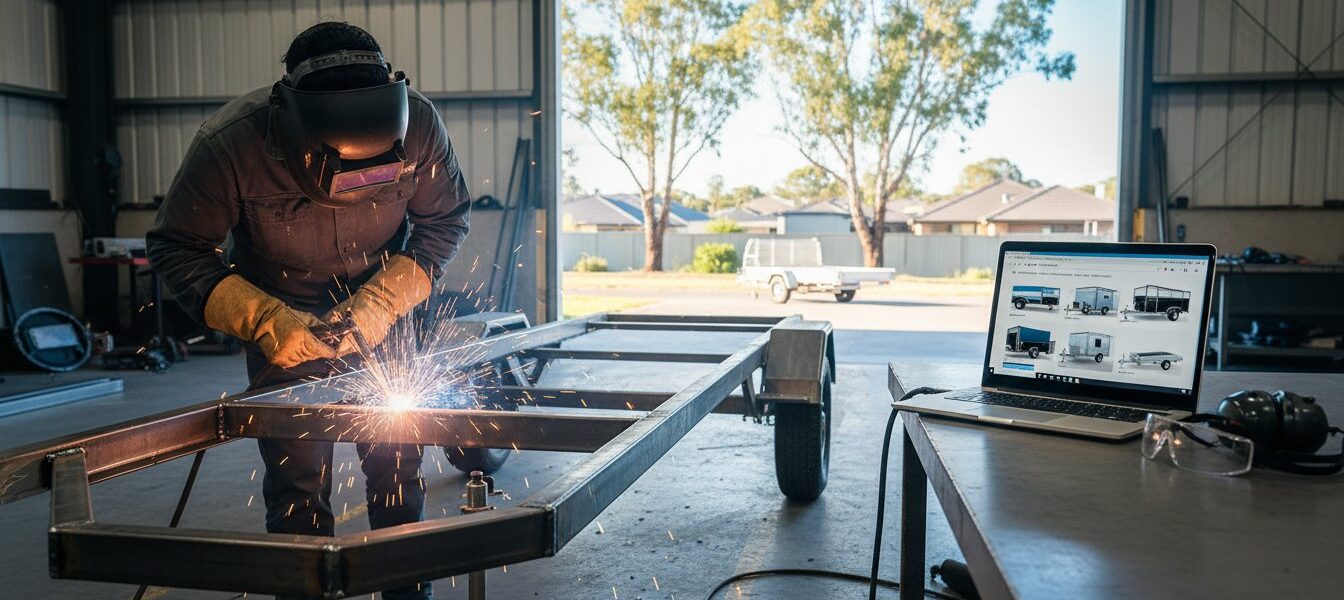
You must also account for the value of your own labor. A custom build requires dozens of hours for design, cutting, welding, and wiring. If you are a skilled fabricator, this time represents an opportunity cost. You are trading hours you could spend on paid work for the satisfaction of a custom build. For many, the decision hinges on whether the final product offers better durability than a mass-produced alternative.
Where DIY Saves You Money
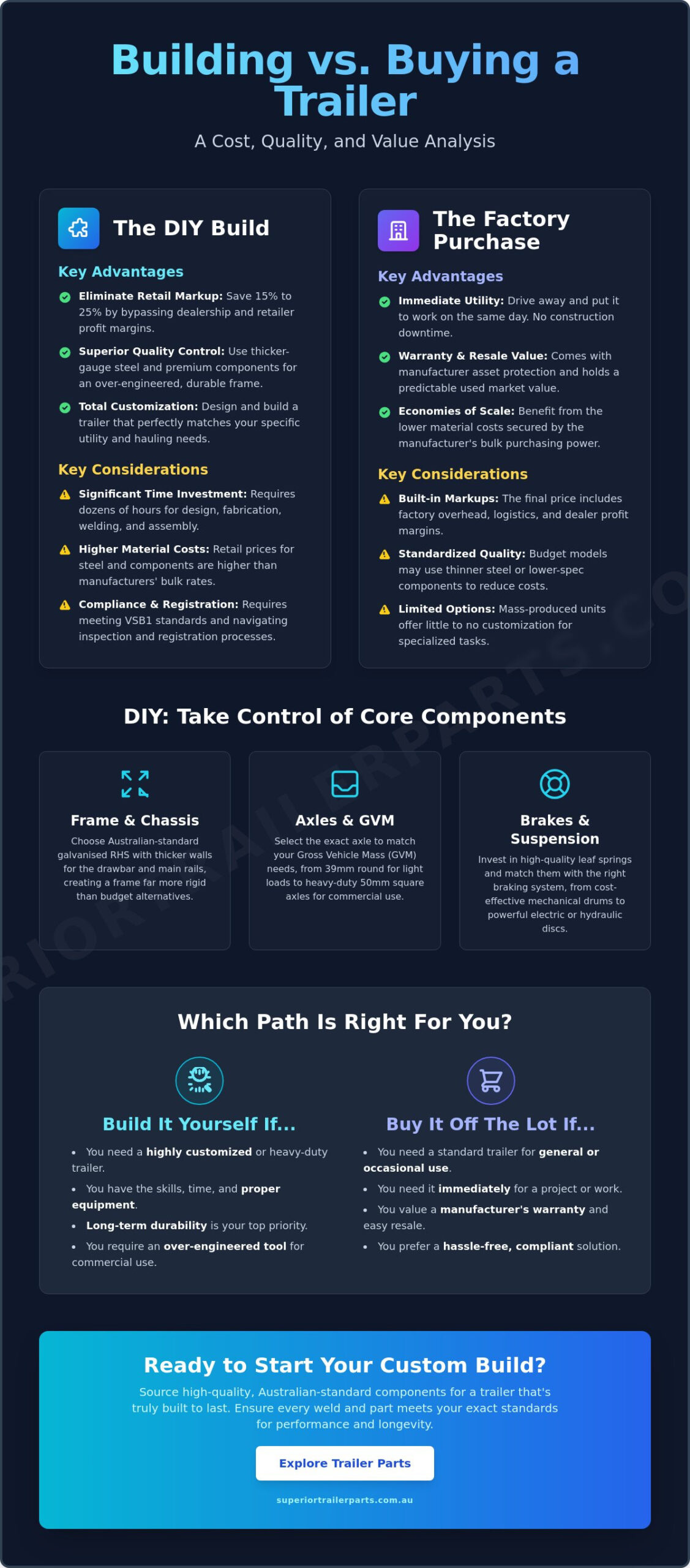
- Eliminating Profit Margins: You bypass the 15% to 25% markup typically added by retailers and dealerships.
- Local Parts Sourcing: Purchasing your axles and springs locally avoids the high freight costs associated with delivering a completed trailer.
- Component Recycling: You can safely integrate high-quality second-hand components, such as wheels or tyres, to reduce the total spend without compromising the frame’s integrity.
Where Buying Factory-Built Wins
- Bulk Material Pricing: Manufacturers pay significantly less for Australian-standard steel than individual consumers.
- Immediate Utility: A pre-built box trailer is ready for work the same day, eliminating weeks of construction time.
- Asset Protection: Factory units come with a manufacturer warranty and hold a more predictable resale value on the used market.
Determining if is building a trailer cheaper than buying requires honest accounting. If you need a basic trailer for occasional tip runs, the factory’s assembly line efficiency is hard to beat. If you require a heavy-duty, over-engineered tool for daily commercial use, building it yourself ensures every weld meets your specific standards for longevity.
Breaking Down the Expenses: Materials and Components
To determine if is building a trailer cheaper than buying, you must perform a component-level audit. The frame represents your first major investment. Australian-standard galvanised RHS (Rectangular Hollow Section) and angle iron are the industry benchmarks for durability. While raw steel prices fluctuate based on market demand, purchasing these materials at retail rates often costs more than the bulk-buy prices secured by large manufacturers. However, building it yourself allows you to control the steel gauge. You can choose thicker walls for the drawbar and main rails, ensuring a level of sturdiness that budget-tier factory units often lack.
Beyond the steel, your budget must account for the mechanical assembly. This includes the suspension, braking system, and all associated hardware. Selecting the right parts is not just about price; it is about ensuring the unit is road-legal and safe under load. Review our range of durable trailer components to calculate your specific build budget accurately.
Core Mechanical Components
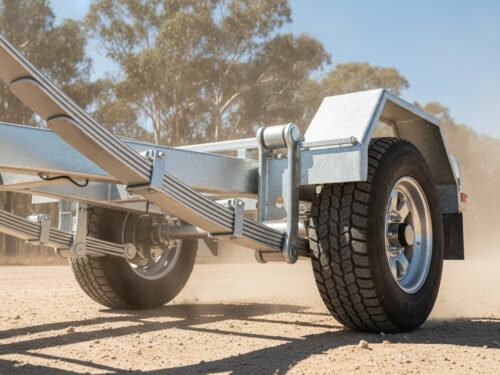
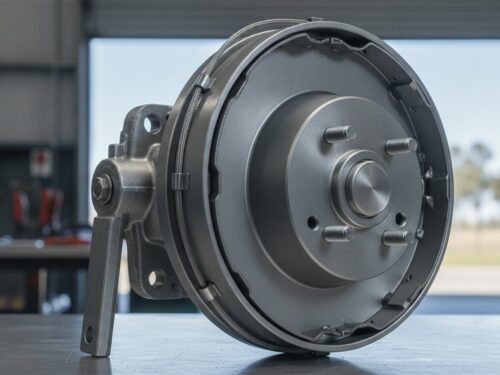
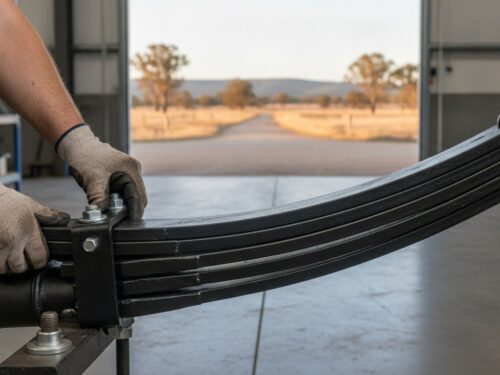
Your choice of axles dictates the trailer’s Gross Vehicle Mass (GVM). For light-duty builds, a 39mm round or 40mm square axle is standard. Heavy-duty tandem setups require 45mm or 50mm square axles to handle increased weight. Pair these with the correct braking system to meet legal requirements. 9-inch mechanical drum brakes are a reliable, cost-effective choice for smaller units, while 10-inch electric drum brakes or hydraulic disc brake kits are necessary for trailers exceeding certain weight thresholds. Investing in high-quality leaf springs, such as 5-leaf eye-to-eye sets or rocker roller spring sets, prevents premature sagging and reduces long-term maintenance costs.
Finishing Touches and Hardware
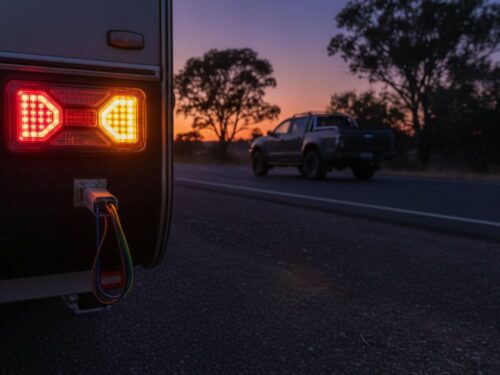
The final assembly requires various small but critical hardware items. These include 4-hole over-ride couplings or poly block off-road couplings for specialized builds. You must also budget for an electrical kit, including LED submersible tail lights and trailer plug adapters. These components ensure visibility and compliance with Australian Design Rules. Do not overlook the small essentials. Items like galvanised U-bolts, shackles, and safety chains are vital for structural integrity. When you ask if is building a trailer cheaper than buying, remember that these finishing touches often add up to a significant portion of the total build cost.
Hidden Costs of DIY: Compliance and Registration
Compliance is the silent budget killer in DIY projects. You cannot simply build a frame and hit the road. Every trailer with an Aggregate Trailer Mass (ATM) of 4.5 tonnes or less must comply with Vehicle Standards Bulletin 1 (VSB 1), Revision 6. This document serves as the National Code of Practice. It outlines the mandatory Australian Design Rules (ADRs) your build must satisfy. Failing an inspection because of a misplaced safety chain or an uncertified weld adds significant time and cost to your project.
When you evaluate if is building a trailer cheaper than buying, you must include the price of a VIN application and a weighbridge certificate. A weighbridge certificate is a non-negotiable requirement. It provides the official tare weight used to calculate your registration fees. Obtaining this involves towing the unregistered unit to a certified scale on a temporary permit. This process carries its own set of logistical costs and administrative fees that many first-time builders fail to estimate.
The Path to Road Compliance
Achieving road compliance requires strict adherence to structural standards. Your welding must be of professional quality. Structural failure on the road is a major liability. ADRs specify the exact height and positioning for LED tail lights and reflectors. You must also ensure that your compliance plate is permanently fixed. It must contain all required data, including the ATM and tyre specifications. Testing your light circuits and braking performance before the official inspection is a critical step. A failed electrical test results in re-inspection fees that quickly erode any initial savings on parts.
Administrative and Legal Fees
Registration costs vary significantly across Australia. In Victoria, you might pay a flat rate of $66.70 per year. In Tasmania, the flat rate is $147.56 for a caravan. New South Wales offers a 40% reduction on registration fees for private caravans and camper trailers. These figures do not include the initial stamp duty or the mandatory inspection fees required for home-built units. You must also consider the time investment. Navigating the paperwork and attending physical inspections at state transport authorities can take days. While a factory-built model arrives with a VIN and compliance plate already attached, a DIY project requires you to manage every legal detail yourself. This administrative burden is a key factor when deciding if is building a trailer cheaper than buying for your specific situation.
The Quality Equation: DIY vs Mass-Produced Units
Many buyers fall into the “Cheap Import” trap. These budget units often use thin-gauge steel and inferior components to keep floor prices low. While the initial cost is attractive, these trailers often lack the structural resilience needed for Australian conditions. When you analyze if is building a trailer cheaper than buying, you must weigh the upfront savings against the risk of frame fatigue or component failure. A budget trailer might look good on the showroom floor, but thin steel walls and light-duty welds won’t stand up to years of heavy hauling.
Building your own unit provides complete component transparency. You know exactly which trailer parts are used in your build. There are no hidden shortcuts behind a coat of industrial paint. You can choose to over-engineer critical stress points, such as the drawbar and spring hangers, ensuring the frame doesn’t flex or crack under load. This level of customisation is rarely available in mass-produced models without a significant price hike.
Comparing Structural Integrity
Structural integrity starts with the material grade. DIY builders often choose heavier-duty galvanised steel than what is found in standard retail models. While factory robotics provide consistent welds, a skilled manual welder can ensure deeper penetration in high-stress zones. This is vital for trailers that will face corrugated roads or heavy commercial use. Your choice of hardware also impacts performance. Selecting specific couplings, such as a poly block off-road coupling or a 4-hole over-ride coupling, allows you to tailor the unit for specific environments where a standard 2-hole fixed coupling might reach its limit.
Customisation and Purpose-Built Design
If you are ready to invest in a build that lasts, browse our range of heavy-duty trailer components to ensure your project meets the highest standards of durability.
The Final Verdict: When to Build and When to Buy
Decide based on your skill set and specific needs. If you need a standard box trailer for occasional tip runs, the factory model is the practical choice. Mass production keeps these units affordable and ready for immediate work. However, if you are a skilled fabricator requiring a high-spec or custom-sized unit, the answer to is building a trailer cheaper than buying shifts. In these cases, the value is found in the superior durability and exact utility you create.
A hybrid approach often provides the best balance for many users. You might purchase a high-quality, heavy-duty box trailer as a base and then customise it yourself. Adding specialized toolboxes, racks, or off-road couplings allows you to tailor a reliable frame to your specific requirements. This method gives you a custom tool without the administrative burden and inspection requirements of a full ground-up build.
Decision Matrix for Australian DIYers
Before committing to a project, evaluate your resources and goals:
- Tool Kit: Ensure you have a high-quality welder, angle grinder, and a level, safe workspace.
- Timeline: A DIY build can take weeks to complete and register. Factory models are available for immediate use.
- Total Cost: Compare the sum of steel, running gear, registration, and inspection fees against the price of a pre-built unit.
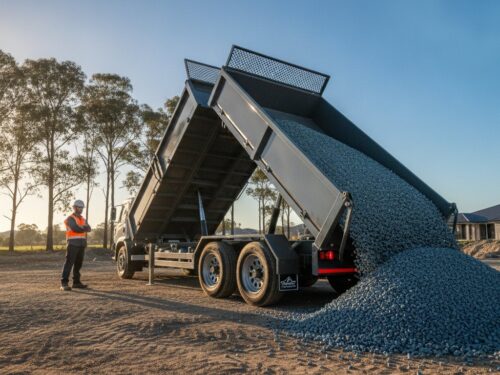
If your goal is purely to save money on a standard 6×4 or 7×4 unit, the narrow margins of factory trailers make it difficult to beat their pricing. The real financial benefit of DIY construction emerges when you require heavy-duty specifications. For example, tandem axles or hydraulic tipper systems often carry higher retail markups, making a self-built version more cost-effective when you factor in the upgraded component quality.
Next Steps for Your Project
Sourcing high-quality components is the foundation of a safe build. Use a reputable Australian supplier to ensure your parts meet local standards. Consult with technical experts regarding ADR compliance and VSB1 requirements before you start cutting steel. This proactive step prevents costly rework during the mandatory inspection phase. It ensures your trailer is legal, safe, and built to last.
Ready to start? Contact Superior Trailer Parts for technical advice on your next project. You can also browse our complete range of trailer parts to find the right axles, springs, and braking systems for your specific needs.
Choosing the Right Path for Your Trailer Project
Superior Trailer Parts is Australian-owned and operated. We provide nationwide shipping on all components and offer expert technical support to help you navigate ADR compliance. Whether you’re assembling a custom tandem axle unit or upgrading a standard box trailer, we provide the hardware you need for a reliable build. Browse our range of high-quality trailer parts and components to secure the axles, springs, and braking systems required for your next project. Get your build started with confidence and ensure your trailer stays on the road for years of dependable service.
Frequently Asked Questions
Do I need a license or certification to build my own trailer in Australia?
No specific license or certification is required for an individual to build a one-off trailer for personal use. However, the finished unit must comply with Vehicle Standards Bulletin 1 (VSB 1) and all relevant Australian Design Rules. Your welding and structural design must meet professional standards to pass the mandatory roadworthy inspection required for registration.
Is it cheaper to build a boat trailer than to buy a new one?
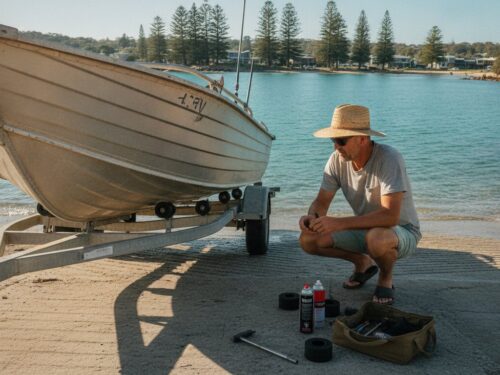
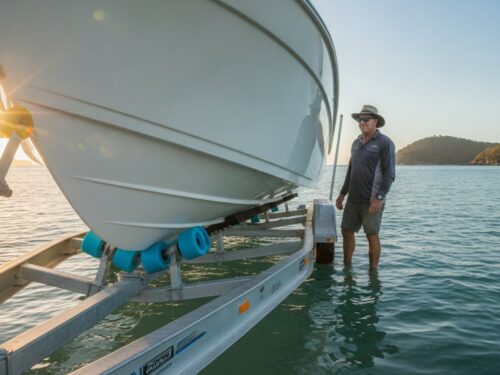
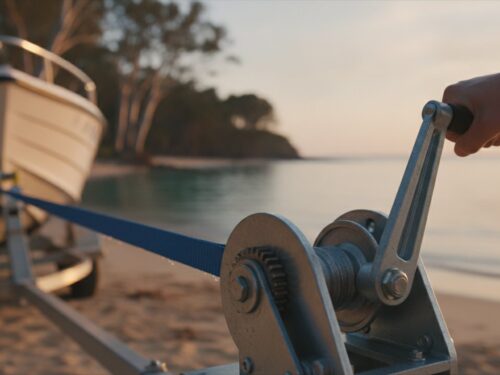
Building a boat trailer is often more cost-effective when you require a custom fit for a specific hull. Retail marine trailers often carry high markups due to their specialised nature. By sourcing your own galvanised steel, wobble rollers, and manual boat winches, you can create a high-spec trailer that matches your vessel’s dimensions without paying dealership premiums.
How much does it cost to register a home-built trailer?
Registration fees vary by state and are typically calculated based on the trailer’s weight. For instance, Victoria has a flat annual rate of $66.70, while South Australia charges $102 for a caravan. When asking is building a trailer cheaper than buying, you must also include the one-off costs for a weighbridge certificate and the initial VIN application fee.
Can I use second-hand axles or brakes on a new trailer build?
You can use second-hand components if they are in sound mechanical condition and meet current safety standards. However, using old parts often leads to inspection failures if they show signs of fatigue or excessive wear. It is usually more reliable to install new 45mm square axles and fresh drum brakes to ensure the trailer passes compliance on the first attempt.
What is the maximum weight a DIY trailer can carry without electric brakes?
Trailers with a Gross Trailer Mass (GTM) of 750kg or less do not require a braking system in Australia. If the GTM exceeds 750kg, you must install at least an over-ride braking system. Once the weight exceeds 2,000kg, independent electric brakes or power-assisted brakes become mandatory to ensure safe operation and compliance with road safety laws.
Is a galvanised trailer better than a painted one for rust prevention?
Hot-dip galvanised trailers offer far superior rust protection compared to painted models. The galvanising process creates a metallurgical bond that coats both the internal and external surfaces of the steel. This is essential for trailers used in coastal areas or harsh industrial environments where paint would quickly chip and allow corrosion to take hold.
Where can I find the official Australian Design Rules (ADR) for trailers?
The official standards are found in Vehicle Standards Bulletin 1 (VSB 1), which is available on the federal Department of Infrastructure website. This document serves as the National Code of Practice for light trailers. It covers everything from lighting and reflectors to safety chains and drawbar strength. Reviewing these rules is a critical first step for any builder.
How do I get a VIN for a trailer I built myself?
You must apply for a Vehicle Identification Number (VIN) through your state’s transport authority, such as VicRoads or Transport for NSW. You will need to submit an application form along with proof of identity and a weighbridge certificate. Once the VIN is issued, you must permanently stamp it onto the drawbar before taking the trailer for its final registration inspection.