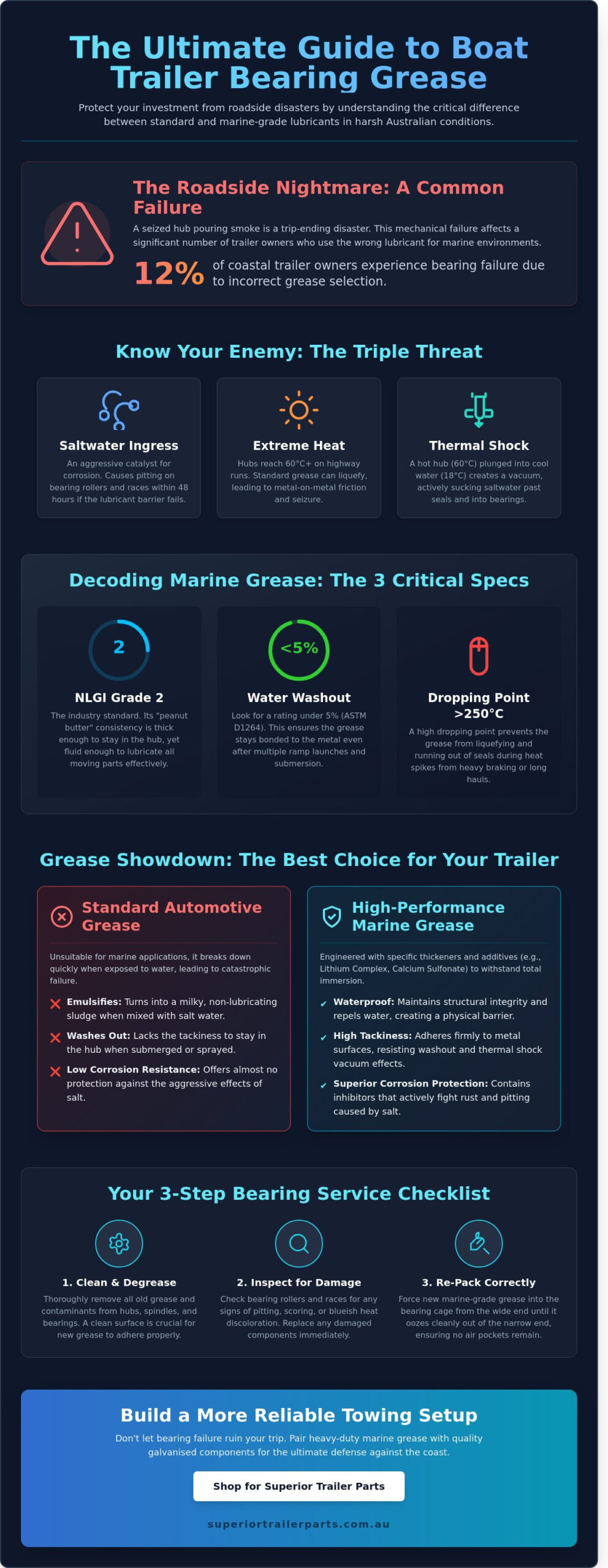
Imagine pulling over on a long journey with smoke pouring from a seized hub because your lubricant failed at 100km/h. This mechanical failure affects approximately 12% of coastal trailer owners who mistakenly use standard automotive grease for marine applications. Selecting the best grease for boat trailer bearings australia is about more than just slickness. It’s about finding a heavy-duty, marine-grade formula that resists saltwater emulsification and stays in the hub where it belongs.
You understand that the combination of 40-degree heat and salt spray is the primary enemy of your trailer’s longevity. We’ll help you identify high-performance lubricants that won’t wash out and show you the correct way to pack your bearings. You’ll learn about base oil stability, the critical differences between lithium and calcium soaps, and how to set a maintenance schedule that ensures total towing confidence. As Superior Trailer Parts, an Australian owned and operated specialist, we provide the technical advice you need to keep your gear on the road and off the shoulder.
Key Takeaways
- Understand why standard automotive grease fails in salt water and how marine-grade lubricants prevent oxidation in harsh Australian coastal environments.
- Identify critical technical specifications, including NLGI Grade 2 standards and water washout ratings of less than 5% for maximum hub protection.
- Compare Lithium Complex and Calcium Sulfonate to select the best grease for boat trailer bearings in Australia for superior resistance during total immersion.
- Master the correct procedure for cleaning hubs and inspecting bearing rollers for signs of pitting or heat damage before re-packing.
- Build a more reliable towing setup by pairing heavy-duty grease with galvanised components to resist the corrosive effects of the coast.
Table of Contents
- Why Standard Grease Fails in Australian Marine Environments
- Key Technical Specifications for Marine Bearing Grease
- Lithium Complex vs. Calcium Sulfonate: The Best Choice
- How to Service and Re-pack Boat Trailer Bearings
- Maintaining Your Trailer for Maximum Reliability
Why Standard Grease Fails in Australian Marine Environments
Standard automotive grease fails at the boat ramp. Most multi-purpose lubricants emulsify when they mix with salt water. This chemical breakdown turns the grease into a milky sludge that cannot protect metal surfaces. In Australian coastal regions, where humidity often exceeds 80%, oxidation begins the moment your trailer hits the sand. Finding the best grease for boat trailer bearings australia is a necessity for anyone towing long distances to remote fishing spots. High-speed towing on a 35-degree day generates significant heat in the hubs. If your grease loses viscosity under these temperatures, you face metal-on-metal friction and a seized axle before you even reach the water.
Australian conditions are uniquely harsh on trailer components. A Grease (lubricant) used in marine applications requires a high water washout resistance rating. This is measured by the percentage of grease lost during standardized spray tests. Standard grease usually lacks the complex thickeners required to stay in place when submerged. Without a high-tack marine formula, the lubricant simply washes away, leaving your bearings vulnerable to the corrosive effects of the Pacific or Indian Oceans.
The Impact of Saltwater Ingress
Salt acts as an aggressive catalyst for corrosion. It causes pitting on bearing rollers and races within 48 hours of exposure if the lubricant fails. You’ll often see “water-resistant” labels on hardware store shelves, but this isn’t enough for boaties. Water-resistant grease only repels light splashes. A truly marine-grade product is waterproof, meaning it maintains its structural integrity and stays bonded to the steel even when fully submerged in brine. If the grease doesn’t provide a physical barrier against salt, your bearings will fail long before their expected service life.
Thermal Shock and Vacuum Effects
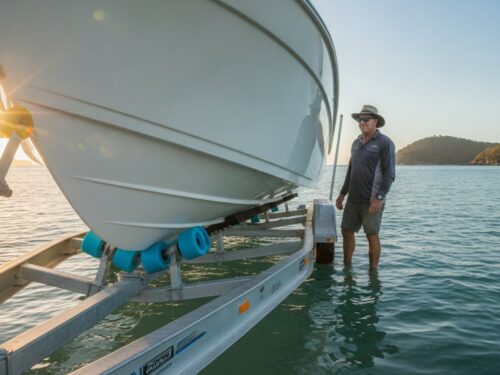
Launching a boat involves a physics problem called thermal shock. Your hubs often reach 60 degrees Celsius after a highway run. Backing that hot hub into 18-degree ocean water causes rapid cooling. This temperature drop creates a vacuum inside the hub that sucks saltwater past the seals. You need specialized boat trailer parts and high-tack lubricants to combat this pressure change. The best grease for boat trailer bearings australia must stay adhered to the rollers during this process. Standard box trailer grease lacks the tackiness required to maintain a seal under these specific vacuum conditions, leading to immediate contamination.
Key Technical Specifications for Marine Bearing Grease
Selecting the best grease for boat trailer bearings australia requires looking past the brand name and focusing on the technical data sheet. Australian boaties deal with high ambient temperatures and corrosive saltwater daily. You need a product that stays put and protects metal surfaces under extreme stress. Choosing the wrong lubricant often leads to roadside failures that are both expensive and avoidable.
The NLGI Grade 2 rating is the non-negotiable industry standard for wheel bearing applications across Australia. This rating defines the consistency of the grease. A Grade 2 product has a texture similar to peanut butter, providing enough body to stay within the hub without being so stiff that it causes unnecessary friction. It’s the sweet spot for most trailer setups.
Water resistance is measured via the ASTM D1264 Water Washout test. For marine applications, you should demand a rating where less than 5% of the grease is lost when sprayed with water. High-performance lithium complex marine grease often achieves these results, ensuring the lubricant remains on the rollers even after multiple ramp launches in heavy surf.
Heat stability is another critical factor. The dropping point should exceed 250 degrees Celsius for heavy-duty use. While boat trailer hubs shouldn’t reach these temperatures during normal operation, heavy-duty braking or long highway hauls in the Outback can cause rapid heat spikes. A high dropping point prevents the grease from liquefying and running out of the seals, which would leave your bearings bone dry.
Understanding NLGI Ratings and Viscosity
Consistency matters because it dictates how the grease behaves under heat. NLGI 2 provides the ideal ‘peanut butter’ consistency for staying in the hub. Thinner greases, like NLGI 1 or 0, will leak out of seals when they get warm. Conversely, heavier greases may not penetrate the small gaps between bearing rollers and the race, leading to dry spots and premature wear.
The Role of Extreme Pressure (EP) Additives
EP additives protect bearings from shock loading when hitting potholes on the road. These additives form a sacrificial chemical layer that prevents metal-to-metal contact during high-impact events. Look for ‘tacky’ additives that help the grease string between moving parts. This ensures your trailer axles and hub materials remain protected during long hauls. Ensure the formula contains specific anti-rust additives for salt environments to stop pitting before it starts.
If you’re upgrading your setup for better reliability, check our range of boat trailer parts to ensure every component is ready for the salt.
Lithium Complex vs. Calcium Sulfonate: The Best Choice
Choosing the right lubricant depends on your towing habits and where you launch. Lithium complex grease is a standard choice for many Australian boaties. It handles heat well and provides a decent seal against dust. However, it relies heavily on chemical additives to repel moisture. This can be a weakness during total hub immersion where the grease might emulsify and lose its protective qualities.
Calcium sulfonate is different. Its water resistance is inherent to the thickener itself. It doesn’t wash out easily. This makes it a top contender for the best grease for boat trailer bearings australia when launching in coastal conditions. It maintains its structure even when 10% to 15% water contamination occurs, ensuring your bearings stay coated and cool.
When to Choose Lithium Complex Grease
Stick with lithium complex if you primarily use your trailer in freshwater lakes or rivers. It’s a cost-effective solution for light-duty setups. You’ll find it at most local hardware or auto stores across Australia. It’s also more forgiving if you aren’t sure what grease is already in your hubs. Lithium complex often mixes better with older, unknown greases, though cleaning the hub first is always the best practice to prevent contamination.
The Case for Calcium Sulfonate in Saltwater
Saltwater is aggressive. It corrodes metal and breaks down standard lubricants quickly. Calcium sulfonate offers superior protection against salt-induced rust and oxidation. It also features a higher dropping point, often exceeding 300 degrees Celsius. This is critical for heavy-duty dual axle tandem trailers where heat buildup is more intense during long highway hauls. Calcium sulfonate stands as the premium choice for boaties who frequently launch into the ocean.
Mechanical stability is another major factor. Calcium sulfonate stays in place under high pressure. It provides better load-carrying capacity without the need for heavy sulfur-phosphorus additives. This reduces the risk of bearing pitting and premature wear on your boat trailer parts. It’s a professional-grade solution for those who demand longevity from their equipment.
Compatibility Warning: Don’t mix these two grease types. Mixing lithium and calcium bases creates a chemical reaction that causes the grease to thin and leak from the seals. This leads to dry bearings and potential axle failure on the side of the road. Always flush out the old grease completely before switching to a new base type to ensure the best grease for boat trailer bearings australia can do its job effectively.
How to Service and Re-pack Boat Trailer Bearings
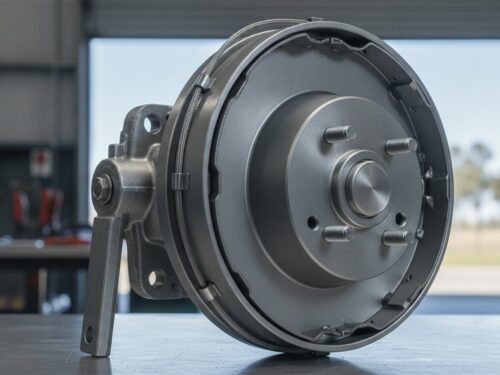
Strip the hub completely. Use a dedicated degreaser to remove every trace of old, contaminated lubricant from the bearings, races, and the hub interior. This is a messy job, but it’s the only way to ensure your new grease isn’t compromised by grit or salt residue. Wipe the spindle clean and inspect the surface for any scoring or wear. A smooth spindle is vital for a proper seal seat.
Inspect the bearing rollers and races under a bright light. Look for pitting, which appears as small craters in the steel, or blueing. Blueing is a clear sign of heat damage, indicating the metal has reached temperatures high enough to change its temper. If you see either, replace the bearings immediately. Selecting the best grease for boat trailer bearings australia is only half the job; you must ensure the metal surfaces are in peak condition to handle the load.
Always install new marine-grade seals every time you pull the hubs apart. Reusing an old seal is a shortcut to failure. A fresh seal keeps the best grease for boat trailer bearings australia inside the hub and prevents saltwater from entering the assembly. Press the seal in evenly using a block of wood or a seal driver to avoid distorting the metal casing.
Step-by-Step Bearing Packing Guide
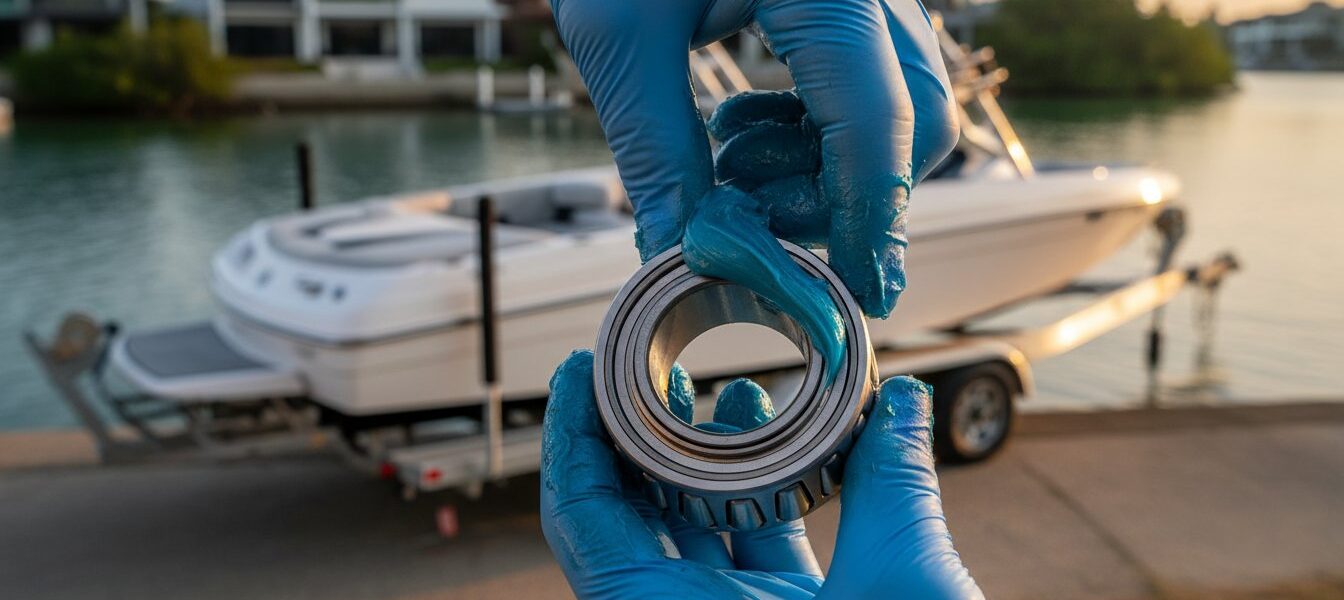
Place a golf-ball-sized dollop of grease in the palm of your hand. Take the clean bearing and ‘bite’ into the grease with the wide edge of the cage. Repeat this motion until the grease is forced through the rollers and emerges from the top of the cage. Rotate the bearing and continue the process until the entire circumference is packed. Fill the inner hub cavity partially, but don’t over-pressurize the space, as this can blow out the rear seal when the hub warms up during travel.
Frequency of Maintenance
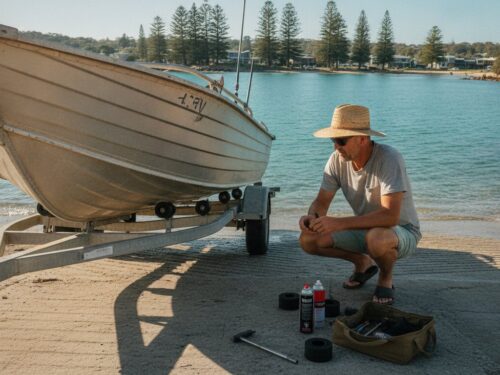
Service your bearings every 12 months for standard use. If you’re launching in saltwater frequently, shorten this interval to every 6 months. Saltwater is aggressive and will find its way past even the best seals over time. Check your hub temperature by hand at every fuel stop during long trips. A hub that’s too hot to touch indicates a bearing or brake issue that needs immediate attention. You can find a detailed maintenance schedule in our marine trailer parts resources to keep your trailer roadworthy.
Equip your trailer for the harshest Australian conditions by browsing our range of heavy-duty boat trailer parts today.
Maintaining Your Trailer for Maximum Reliability
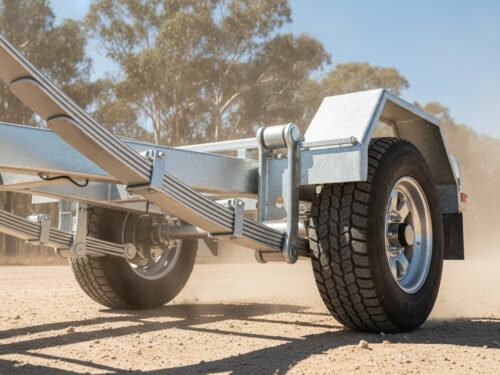
Applying the best grease for boat trailer bearings australia is only half the battle. Even high-grade lubricants fail if the surrounding hardware is compromised. Saltwater environments across the Australian coastline are notoriously aggressive. They require hot-dipped galvanized components to resist constant corrosion. Using untreated steel is a recipe for rapid failure and structural fatigue. Invest in marine-grade parts to ensure your trailer remains roadworthy for years to come.
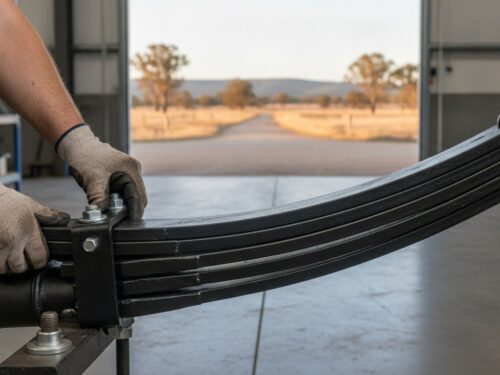
Routine inspections are mandatory for safety. Check your u-bolts and suspension every 6 months or 5,000 kilometres. Rust-related fatigue often hides under layers of road grime. If a bolt snaps while you’re traveling at 100km/h, the axle can shift, causing a total loss of control. Lubricate your braking system regularly. Trailers often sit idle for 3 to 4 months during the off-season. This downtime causes moving parts to seize. Apply marine grease to caliper pins and linkages to prevent them from locking up during storage.
The Importance of Quality Seals and Bearing Protectors
Seals act as the primary barrier against the ocean. Double-lip marine seals are essential. They feature a stainless steel spring that maintains a tight grip on the axle surface. This keeps grease in and saltwater out. Bearing protectors, like Bearing Buddies, maintain a slight internal pressure. This pressure counteracts the vacuum created when a warm hub is submerged in cold water. Don’t overfill these protectors. Pumping too much grease can blow out the rear seal, which allows water to contaminate the bearings instantly.
Upgrading Your Trailer Components
Upgrade to heavy-duty boat trailer parts designed for saltwater to avoid constant replacements. Standard automotive components don’t survive the boat ramp. Superior Trailer Parts provides axles and hubs built for the harsh Australian climate. Replace axles or hubs if you notice deep pitting or structural wear. Proactive replacement costs less than an emergency tow. Choosing genuine, reliable parts ensures your towing setup handles the weight of your boat with ease. High-performance hardware combined with the best grease for boat trailer bearings australia provides the ultimate peace of mind on the road.
Protect Your Investment and Stay Road-Ready
Don’t let a seized bearing ruin your weekend on the water. Australian marine environments are harsh. Salt water causes standard lubricants to wash out and fail quickly. Selecting the best grease for boat trailer bearings australia requires a product with high water washout resistance and heavy-duty corrosion inhibitors. Calcium sulfonate greases often outperform standard alternatives in these high-salinity conditions. Regular inspection and re-packing are essential for long-term reliability.
Shop Genuine Marine-Grade Trailer Parts Australia Wide
Frequently Asked Questions
Can I mix different brands of marine grease in my trailer bearings?
No, you shouldn’t mix different grease brands or types. Combining different thickeners, like lithium complex and calcium sulfonate, often causes a chemical reaction that liquefies the lubricant. This leads to grease leaking from the seals and leaving your bearings unprotected. Always purge 100 percent of the old product before applying a new brand to maintain the chemical integrity of the hub.
How do I know if my boat trailer bearings need more grease?
Check your hubs for visible grease weeping or a dry, metallic appearance around the dust cap. You can also use an infrared thermometer to measure the hub temperature after a 20 kilometre drive. If the hub temperature exceeds 50 degrees Celsius, it’s a clear sign of friction and insufficient lubrication. Listen for any grinding or chirping sounds while the wheel is spinning as these indicate dry rollers.
Is waterproof grease the same as marine grease?
Not always. While all marine grease is waterproof, not all waterproof grease is designed for the harsh salt conditions found in Australia. True marine-grade grease contains specific corrosion inhibitors and tackifiers that prevent wash-out during total submersion. Standard waterproof grease often lacks the 10 percent saltwater resistance rating required to protect trailer components during a boat launch.
What happens if I use standard automotive grease on a boat trailer?
Standard automotive grease fails rapidly when it hits the water. It lacks the water-washout resistance needed for boat ramps, meaning it will emulsify and wash away within 3 to 5 submersions. Using the best grease for boat trailer bearings australia is essential because it stays on the metal surfaces even in high-salinity environments. Using the wrong product leads to bearing seizure and potential axle damage on the highway.
How much grease should I put in my trailer hubs?
Fill the hub cavity until the grease is visible at the outer bearing, but don’t pack it completely solid. Leave roughly 20 percent of the internal cavity empty to allow for thermal expansion as the hub heats up during travel. Overfilling creates excessive internal pressure, which often blows out the rear grease seal. This allows water to enter the hub the next time you back your trailer into the ramp.
Why is my trailer hub running hot after a short drive?
Excessive heat usually points to a lack of lubricant or an overtightened spindle nut. If a hub temperature reaches 60 degrees Celsius or higher, the grease can break down and fail to protect the metal surfaces. Check your bearing adjustment immediately to ensure there is a small amount of end play. High heat is a primary warning sign that your bearings are nearing a total mechanical failure.
Do I need to grease my trailer hitch and coupling as well?
Yes, you should apply a thin layer of heavy-duty grease to the tow ball and the internal coupling mechanism. This reduces friction during articulation and prevents the metal-to-metal grinding that wears down the 50mm ball diameter. A well-lubricated coupling also ensures the locking trigger operates smoothly. Wipe away old, gritty grease every 6 months and apply a fresh coat to keep the connection secure.
What is the best way to remove old grease from bearings?
Use a dedicated parts cleaner or kerosene and a stiff brush to strip all old lubricant from the rollers and cage. It’s vital to remove every trace of grit and contaminated oil before inspecting the metal for pitting or blueing. Once the parts are 100 percent dry, repack them with the best grease for boat trailer bearings australia. This process ensures the new lubricant bonds directly to the steel for maximum durability in saltwater.