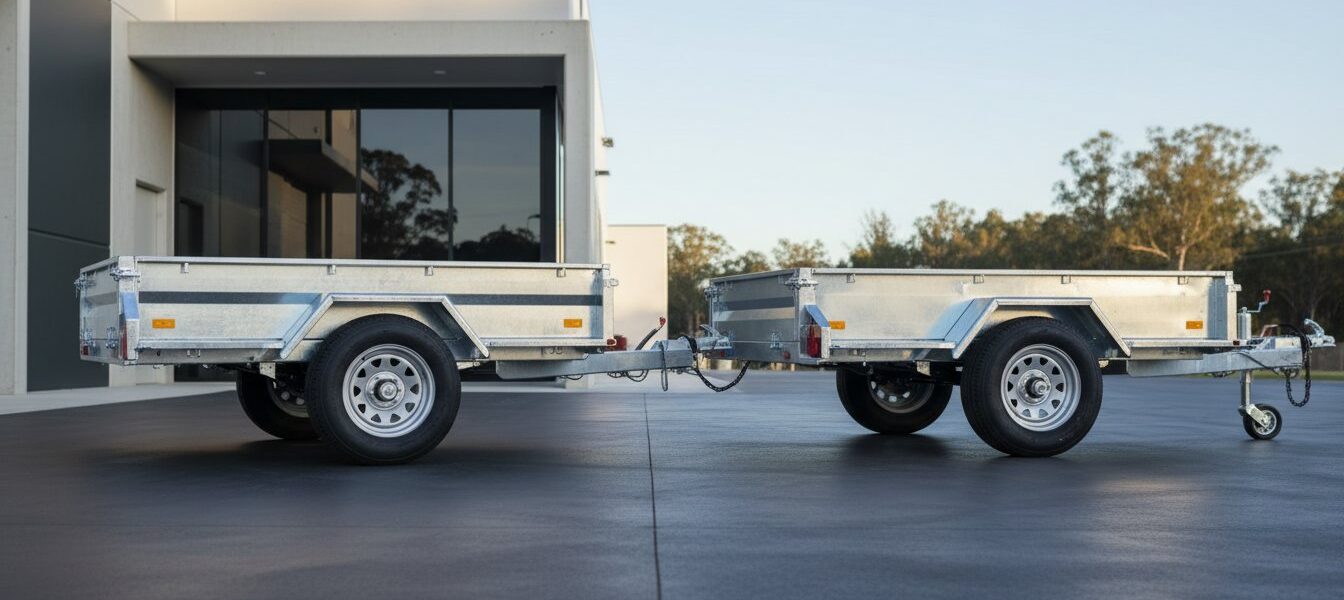
It’s understandable to feel concerned about trailer sway or the rising costs of dual axle maintenance. We provide an authoritative breakdown of axle configurations to help you choose a trailer that matches your vehicle’s towing capacity and your long term budget. This guide previews weight limits for various payloads, stability benefits for highway driving, and the essential maintenance steps required to keep your axles in top condition.
Key Takeaways
- Evaluate the maneuverability and cost-efficiency of single axle trailers for lighter, more agile hauling tasks.
- Identify when a tandem axle setup is required for heavy-duty payloads and increased stability on unsealed Australian roads.
- Compare single axle vs tandem axle trailer pros and cons to select the right configuration for your specific cargo and budget.
- Understand the “double everything” maintenance rule and its impact on your long-term investment in bearings, tyres, and brakes.
- Follow a practical process to calculate your maximum payload and ensure your vehicle meets the required braked towing capacity.
Understanding Single and Tandem Axle Configurations
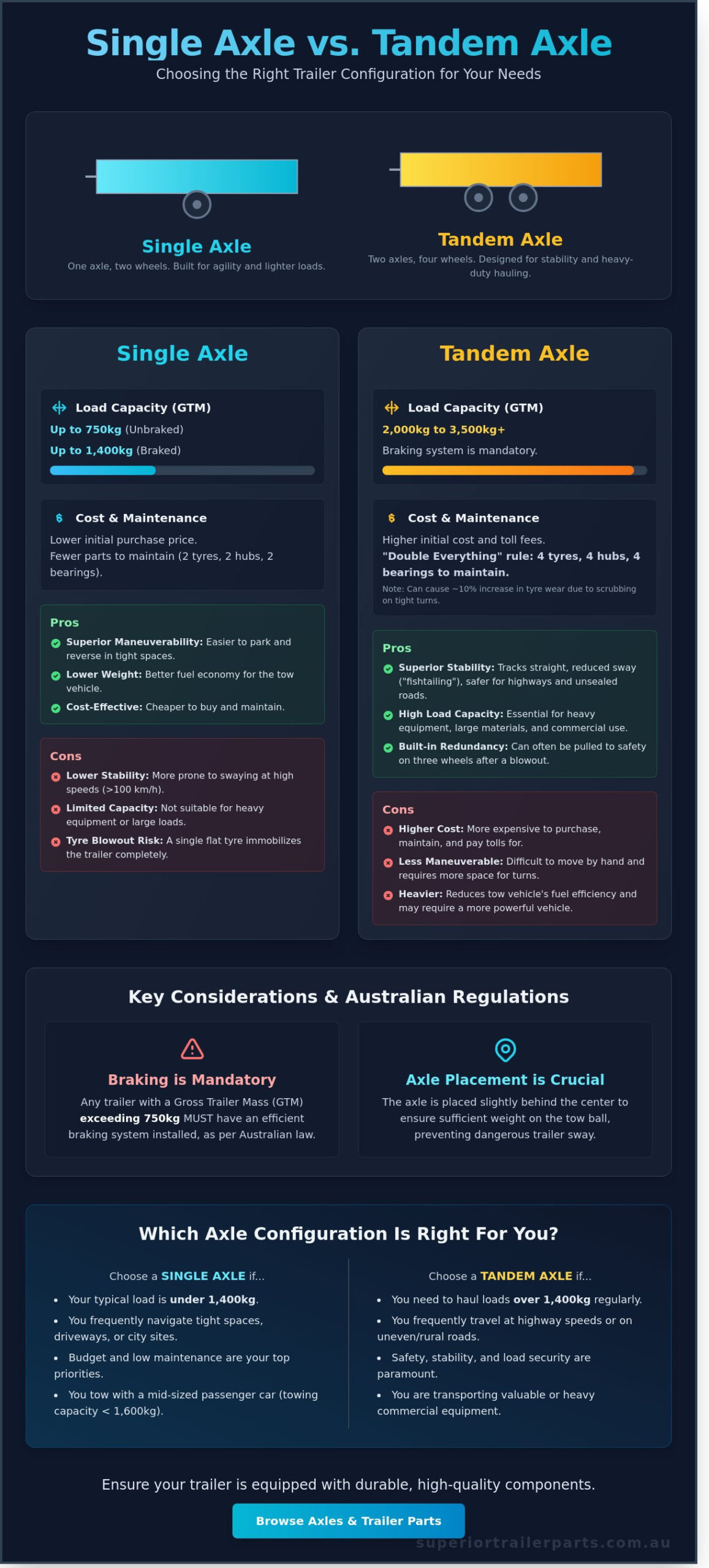
Selecting the right gear involves weighing the single axle vs tandem axle trailer pros and cons based on your specific payload. A single axle trailer features one axle and two wheels. This configuration is built for lighter loads and maximum maneuverability. It’s the standard choice for small garden trailers or light utility work. A tandem axle trailer uses two axles placed in close proximity. This dual-axle design distributes weight across four wheels. This setup is necessary for heavy-duty hauling and long-distance transport. Adding a second axle is primarily about increasing load capacity and providing a significant boost in stability at high speeds.
The Australian GTM (Gross Trailer Mass) threshold of 750kg is a critical legal figure for owners. Any trailer exceeding this mass must have an efficient braking system installed. Most unbraked single axle trailers stay under this 750kg limit. Using a tandem configuration helps prevent the trailer from swaying or “fishtailing” during sudden movements. This stability is vital when transporting heavy equipment or navigating uneven terrain. You should evaluate the single axle vs tandem axle trailer pros and cons to ensure your choice meets both your transport needs and legal obligations.
The Engineering Behind Axle Placement
Axle position dictates how the trailer handles on the road. Engineers place the axle assembly slightly behind the trailer’s longitudinal center. This ensures enough weight rests on the tow ball to prevent swaying. Gaining a foundational Understanding of Trailer Configurations shows how frame strength must align with axle count. Tandem frames require extra reinforcement to manage the torque generated by two sets of wheels. You must select axles with load ratings that exceed your intended maximum GTM to ensure long-term durability.
Standard Australian Load Ratings
Load ratings in Australia follow strict categories to ensure road safety. Single axle trailers typically fall into two brackets. Unbraked versions handle up to 750kg. Braked versions can reach 1400kg. Tandem axle trailers provide much higher capacities. They usually range from 2000kg to 3500kg. Some specialized heavy-duty models go even higher. Exceeding these ratings creates a legal and safety risk. Overloaded trailers cause structural failure and braking loss. Stick to the plate ratings to stay compliant with Australian Design Rules (ADR).
Benefits and Limitations of Single Axle Trailers
Single axle trailers are the workhorses of the residential and light commercial sectors. They offer superior manoeuvrability in tight spaces, such as narrow driveways or busy suburban worksites. You can often unhook a single axle trailer and reposition it by hand on level ground, which is a major advantage over heavier dual-axle units. This flexibility makes them a top choice for users with limited storage space or those who frequently navigate crowded areas. When evaluating single axle vs tandem axle trailer pros and cons, the lower initial purchase price is a primary driver for most buyers. You aren’t just saving on the upfront cost; you’re also reducing long-term maintenance expenses.
A single axle trailer has fewer moving parts. You only need to maintain two tyres, two hubs, and two sets of bearings. This simplicity ensures your trailer stays on the road longer with less mechanical downtime. Fuel economy is another critical factor. These trailers have a lower tare weight, often weighing between 200kg and 450kg. This reduced weight puts less strain on the tow vehicle’s engine and transmission, leading to better fuel efficiency on long hauls. However, they do have limitations. Most single axle trailers are capped at a 750kg GVM if they don’t have brakes. They also offer less stability at speeds exceeding 100km/h, as they lack the self-tracking nature of a tandem setup.
When a Single Axle is the Practical Choice
For residential tasks, heavy duty single axle box trailers are ideal for hauling garden waste or light DIY materials. They are perfectly suited for single jet ski trailers and small tinnies where the total load remains under 500kg. Approximately 65% of mid-sized passenger cars have towing capacities under 1,600kg, making a light trailer the only safe and legal option for these drivers. A vehicle with a 1,500kg towing limit performs better with a 300kg single axle trailer than a heavier tandem alternative. This ensures you maintain vehicle performance while staying within legal weight limits.
Common Single Axle Components
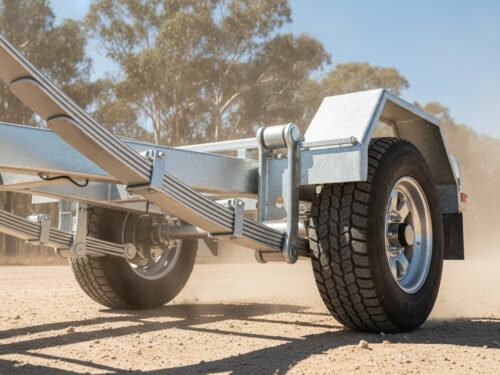
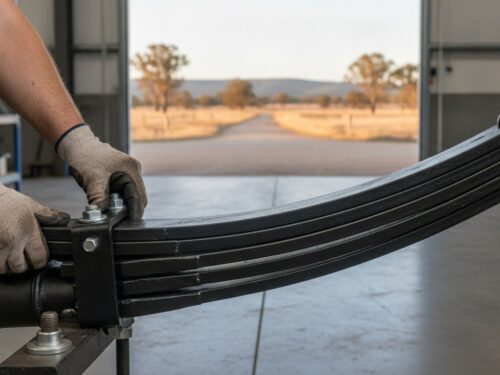
Reliability starts with the right hardware. Most light-duty setups utilize 39mm round or 40mm square axles. These axles provide enough strength for standard loads without adding unnecessary weight to the frame. The suspension usually consists of 4 leaf slipper springs, which are durable and cost-effective for 750kg GVM ratings. Maintenance is simple because you only deal with one set of springs and two bearings. This “get-the-job-done” design prioritises longevity and ease of repair for the owner. If you need assistance selecting the right components for your build, contact us for expert advice from our Australian owned and operated team.
Advantages and Trade-offs of Tandem Axle Trailers
Tandem axle trailers provide the muscle required for serious hauling. When evaluating single axle vs tandem axle trailer pros and cons, the primary advantage is a massive jump in payload capacity. A dual axle setup distributes the load across four tyres instead of two. This reduces the pressure on each individual component and allows for Gross Trailer Mass (GTM) ratings that far exceed the 750kg or 1500kg limits common in single axle builds. You get more utility out of every trip because you aren’t constantly worried about hitting weight limits.
- Improved Stability: Two axles track straighter on the highway. This setup significantly reduces trailer sway, especially when passing large trucks or driving in crosswinds at 100km/h.
- Safety Margins: A tyre blowout on a single axle trailer is a critical emergency. With a tandem setup, the remaining three wheels keep the trailer level and under control until you pull over safely.
- Better Braking: Most tandem trailers feature braking systems on both axles. This provides superior stopping power for heavy loads and reduces the strain on the tow vehicle brakes.
The main trade-off is tyre scrubbing. During tight turns, the tyres on the front and rear axles are forced to slide sideways because they don’t share a common pivot point. This increases tyre wear and can tear up soft driveways or turf. It’s a small price for the added durability and safety on the open road, but it’s something you’ll notice when maneuvering in tight yards.
Heavy-Duty Applications for Dual Axles
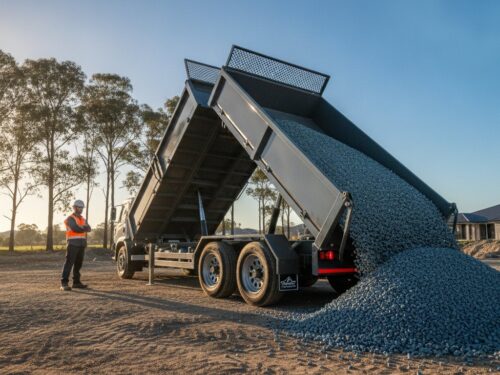
Professional operators rely on tandem trailers for transporting heavy machinery and vehicles. Car haulers and plant trailers require the structural integrity of dual axles to manage concentrated weights without bending the frame. For landscaping and construction, hydraulic tipper trailers carrying 2.5 tonnes of gravel or wet soil must have dual axles to remain legal and safe. Large offshore boat trailers and 20-foot caravans also use this configuration to maintain balance and prevent dangerous pitching while towing at high speeds.
Advanced Suspension and Braking Requirements
Tandem trailers require specialized hardware to function correctly. Rocker roller spring sets are standard for load sharing. These systems allow the suspension to move independently while ensuring the weight stays balanced between both axles, even on uneven ground. Australian Design Rules mandate independent braking systems for any trailer with a GTM over 2000kg. Most heavy-duty builds utilize 45mm or 50mm trailer axles to ensure the assembly handles the stress of corrugated roads and maximum weight limits. Choosing the right axle thickness is vital for long-term reliability in harsh Australian conditions.
Key Performance Factors: Towing Stability and Maintenance
Tracking ability is a major differentiator when evaluating single axle vs tandem axle trailer pros and cons. On unsealed Australian roads or corrugated tracks, tandem trailers offer superior stability. The two sets of wheels work together to bridge potholes and ruts, preventing the trailer from bouncing uncontrollably. A single axle trailer often skips over these surfaces, which can lead to dangerous sway at speeds over 80km/h. This stability is essential for long-haul trips where road conditions change without warning.
Towing a tandem trailer also changes the dynamic for your tow vehicle. Because most tandem setups carry loads exceeding 750kg, they require dedicated braking systems. This setup reduces the direct load on your vehicle’s rotors and pads. It helps manage transmission heat during steep climbs, such as those found in the Great Dividing Range, as the trailer provides its own stopping power. You’ll find that while the tandem is heavier, it feels more planted and predictable behind the wheel.
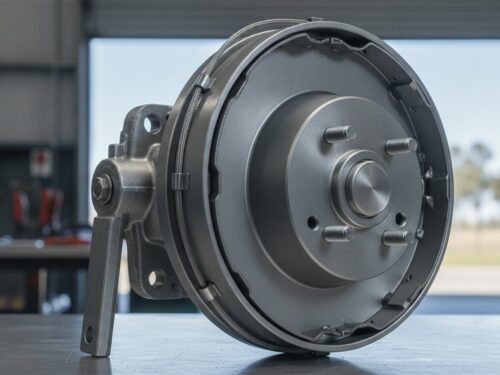
Maintenance follows a “double everything” rule that owners must respect. You aren’t just looking after two wheels; you’re managing four bearings, four tyres, and four sets of brakes. This increases the time and cost of every service. Neglecting one hub can lead to a roadside failure that leaves you stranded. You need to stay on top of your maintenance schedule to ensure reliability on the road.
Handling and Manoeuvrability Comparison
Tandem trailers are generally more forgiving when you’re reversing. Their longer wheelbase means they react slower to steering inputs, giving you more time to correct your line. A short single axle trailer is twitchy and can jackknife in seconds if you aren’t careful. However, the tandem’s footprint makes it difficult to move by hand. You won’t be pushing a dual-axle trailer around a tight driveway alone. Tyre scrubbing is another factor; the tyres drag and skid during tight turns, which increases wear on the rubber and can leave marks on decorative concrete surfaces.
Long-Term Ownership Costs
Expect higher annual costs for a tandem setup. You’ll need to perform regular checks on your axles and braking components to ensure safety. Replacing four tyres at once is a significant hit to the wallet compared to a single axle setup. For boat owners, the cost of corrosion prevention is even higher. Saltwater gets trapped in the tight spaces of a dual-axle assembly. Using high-quality galvanised components is the only way to prevent rust from compromising the frame. When weighing up single axle vs tandem axle trailer pros and cons, the long-term budget is a deciding factor.
Contact our team for expert advice on selecting the right parts for your trailer.
Selecting the Right Trailer Configuration for Your Requirements
Choosing between a single or dual setup requires a systematic approach to safety and legality. To determine the best fit for your application, follow these four practical steps before making a purchase.
- Step 1: Calculate your maximum anticipated payload. You must know the combined weight of your cargo and the trailer itself. A standard 7×4 single axle trailer usually has an Aggregate Trailer Mass (ATM) of 750kg. If your cargo regularly exceeds 500kg, the tare weight of the trailer will likely push you over this limit, necessitating a braked single axle or a tandem configuration.
- Step 2: Check your vehicle’s maximum braked towing capacity. Every vehicle has a legal limit. A Toyota Hilux or Ford Ranger typically manages 3,500kg, but many medium SUVs are capped at 2,000kg. Buying a tandem trailer that exceeds your vehicle’s capacity is a safety risk and a legal liability.
- Step 3: Evaluate your typical towing environment. If 85% of your driving occurs on open highways at 100km/h, the stability of a tandem axle is vital. For those navigating tight suburban driveways or narrow worksites, the pivot range of a single axle makes maneuvering much simpler.
- Step 4: Assess your storage space and manual handling capabilities. A single axle trailer can be moved by one person on a flat surface. A tandem trailer generally requires a vehicle or a heavy-duty jockey wheel for any positioning, as the dual wheels resist turning by hand.
Choosing Based on Trailer Type
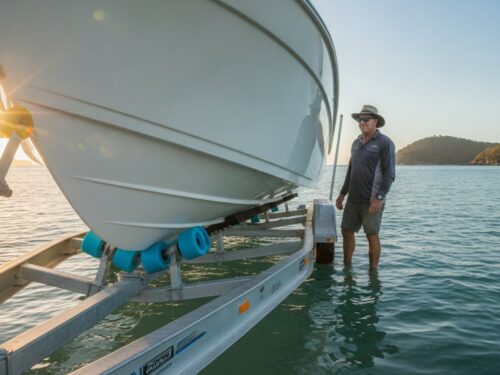
For those looking for a box trailer for sale, the choice often comes down to the density of your load. Single axles suit light trade work and household chores. If you’re hauling soil, gravel, or heavy machinery, a tandem axle is required to distribute that weight safely. Boat trailers follow a similar logic; hulls exceeding 5.5 metres or 1.2 tonnes almost always require a tandem setup to prevent frame flexing. Regardless of the configuration, the longevity of your build depends on hardware quality. High-tensile u-bolts and galvanised components are essential for resisting the vibrations and corrosive conditions found on Australian roads.
The Final Verdict: Single or Tandem?
Understanding the single axle vs tandem axle trailer pros and cons helps you avoid the mistake of over-buying. A single axle is the most cost-effective and agile choice for loads under 1,200kg. Tandem axles are the industry standard for heavy-duty transport, offering a fail-safe if a tyre blows out at speed. Don’t buy more trailer than you can safely tow; an oversized, empty tandem trailer will bounce excessively and increase fuel consumption. If you have specific requirements for a custom build or heavy-duty application, contact our team for expert advice to ensure your trailer is fit for purpose.
Build Your Trailer for Australian Conditions
Selecting the right axle configuration depends on your specific payload and towing environment. Single axle trailers offer better maneuverability and lower maintenance costs for light-duty tasks under 750kg. When your load exceeds this standard GTM threshold, tandem axles provide the critical stability and braking power required for safe highway travel. Reviewing the single axle vs tandem axle trailer pros and cons helps you avoid mechanical failures and ensures your build meets Australian safety standards. Quality matters when you’re hauling heavy equipment across long distances.
Superior Trailer Parts supplies heavy-duty galvanised components built to withstand the harshest environments. We offer nationwide shipping on all parts to keep your project moving without delays. As a proudly Australian owned and operated specialist, we understand the durability required for local roads. Our inventory includes genuine, marine-grade hardware designed for longevity and performance. Don’t guess which parts you need for your next project. Get the right gear and expert support from a team that values reliability. We stand behind every part we sell.
Contact Superior Trailer Parts for Expert Advice on Your Next Build
Frequently Asked Questions
Is a tandem axle trailer safer than a single axle?
Tandem axle trailers are safer than single axle models because they offer superior stability at highway speeds. The twin-axle design resists swaying and tracks straighter behind the tow vehicle. If a tyre blows out, the second wheel on that side keeps the trailer level and prevents a dangerous swerve. This reliability is a major advantage for drivers hauling heavy loads across long distances.
Can I tow a tandem axle trailer with a standard SUV?
Do tandem axle trailers require more maintenance?
Tandem axle trailers require double the maintenance of single axle units. You’ll manage four tyres, four sets of bearings, and four sets of brakes. Regular inspections are vital to prevent mechanical failure. This increased workload is a key factor when weighing the single axle vs tandem axle trailer pros and cons for your specific application. Using genuine replacement parts helps maintain durability and reduces long-term repair costs.
Why do tandem trailers “scrub” their tyres during turns?
Tandem trailers scrub their tyres because the two axles are fixed parallel to each other. When you turn, the tyres can’t follow different paths, so they slide sideways across the road. This friction causes 20 percent faster tread wear compared to straight-line driving. To reduce this effect, use wide turns and check your tyre pressure regularly to ensure even contact with the road surface.
What is the maximum weight a single axle trailer can carry in Australia?
The maximum weight for a single axle trailer in Australia is typically capped at a 750kg GTM if it lacks brakes. If fitted with an efficient braking system, a single axle can legally carry up to 2,000kg GTM. These limits are set by the Vehicle Standards Bulletin 1 (VSB1) to ensure road safety across all states. Always verify your specific axle rating on the manufacturer’s plate to avoid overloading.
Are tandem axle trailers harder to reverse?
Tandem axle trailers are easier to reverse than single axle models. The longer distance between the hitch and the wheels makes the trailer less sensitive to small steering movements. It won’t jackknife as quickly, giving you more time to correct your line. This predictable behavior is a significant benefit for owners who need to park heavy equipment in tight workshops or residential driveways without the stress of constant oversteering.
Do I need brakes on a single axle trailer?
You need brakes on a single axle trailer if the Gross Trailer Mass (GTM) is over 750kg. Australian law requires at least an over-run braking system for trailers between 751kg and 2,000kg. For trailers under 750kg, brakes aren’t mandatory but they improve stopping performance. Installing heavy-duty galvanised disc brakes is a smart move for anyone frequently towing near the legal weight limit on busy roads.
How does axle count affect fuel consumption?
A tandem axle trailer increases fuel consumption by approximately 10 to 15 percent compared to a single axle. The extra weight of the second axle and the increased rolling resistance of four tyres require more energy to move. This trade-off is necessary when you need the 3,500kg capacity that a heavy-duty tandem setup provides. Expect higher costs at the pump for the added stability and payload capacity.