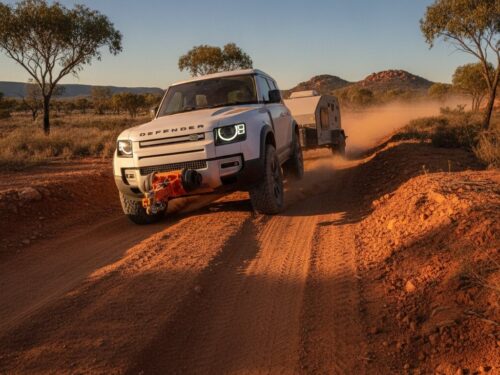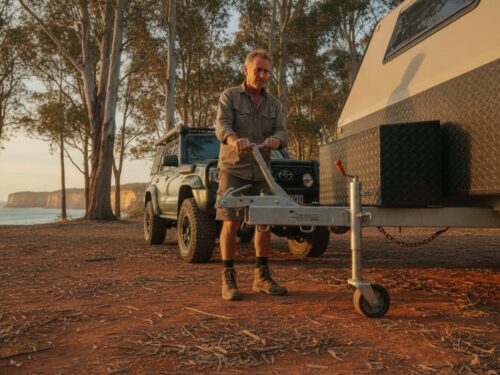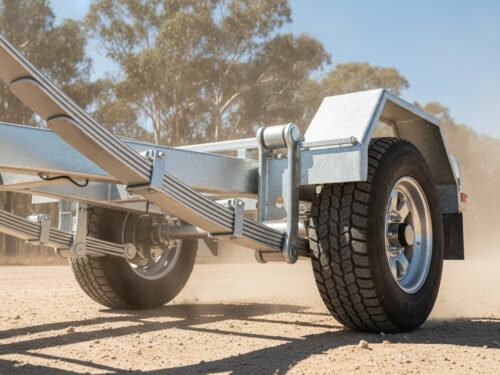
A standard factory suspension is often the first component to fail when subjected to real-world hauling conditions. You’ve likely noticed your trailer swaying at highway speeds or watched your leaf springs flatten under a perfectly legal load. These mechanical failures do more than just increase your maintenance schedule; they put your cargo and your safety at risk. Proactively exploring your trailer suspension upgrade options is the most effective way to rectify these issues. Current safety regulations require all suspension components, including axles and leaf springs, to be structurally sound and in safe working order to remain compliant on the road.
We agree that a trailer should work as hard as the person towing it. This article identifies the best suspension configurations to improve towing stability, increase load capacity, and ensure long-term durability. We will preview how specific hardware, such as 5 leaf eye to eye springs or rocker roller sets, can help you achieve compliance with Australian safety standards. You’ll learn how to select a setup that protects your cargo and provides a smoother, more predictable ride on any road surface. This technical overview ensures your equipment remains resilient regardless of the distance or the terrain.
Key Takeaways
- Identify physical signs of mechanical fatigue, such as flattened leaf springs or trailer snaking, to prevent roadside failures.
- Compare trailer suspension upgrade options, including slipper and eye-to-eye configurations, to match your specific load capacity and durability needs.
- Learn how rocker roller systems improve load sharing and reduce stress on tandem axle components during travel over uneven terrain.
- Select specialised hardware for specific applications, such as corrosion-resistant components designed for boat trailers in saltwater environments.
- Understand the role of high-quality fasteners and galvanised U-bolts in maintaining precise axle alignment and long-term structural integrity.
Identifying the Need for a Suspension Upgrade
Physical Signs of Component Wear
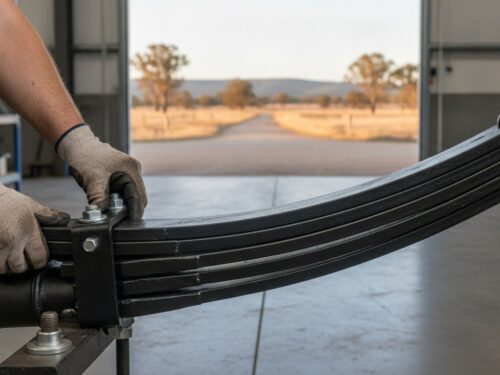
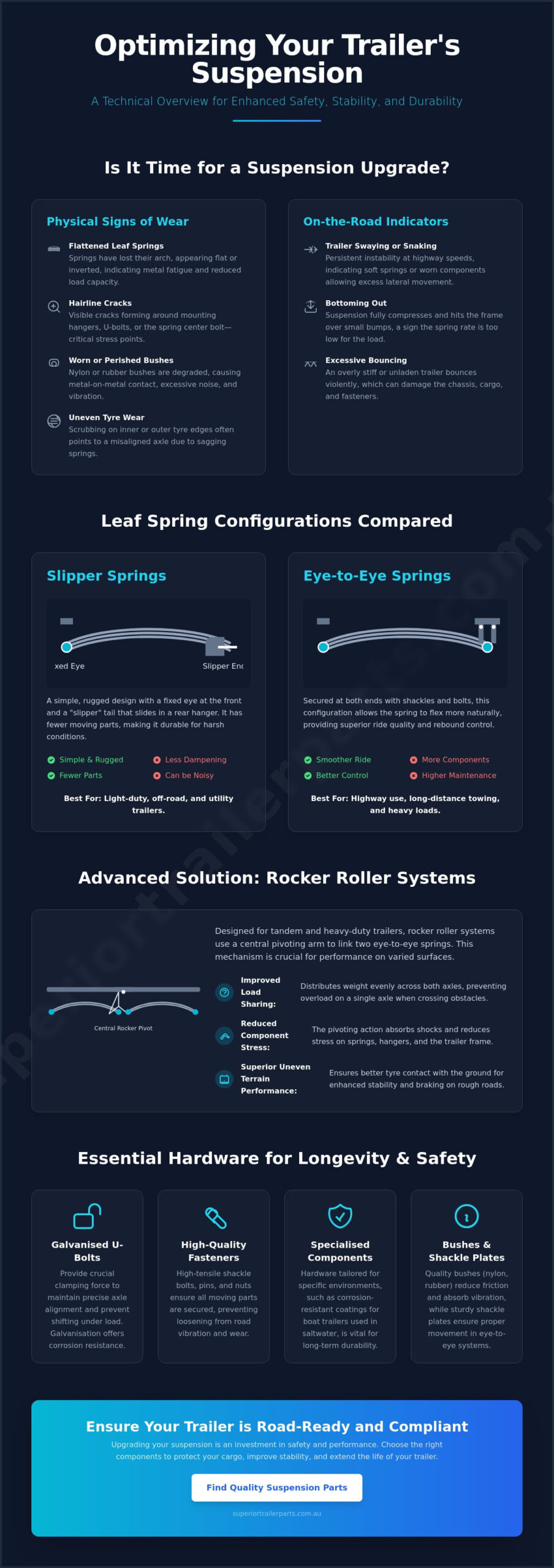
A visual inspection often reveals the most critical issues. Start by looking at the leaf springs. They should have a clear, consistent arch. If the leaves appear flat or are beginning to invert, the steel has lost its tempered tension. This fatigue reduces the suspension’s ability to absorb energy, transferring those forces directly into the trailer frame and your cargo. Check for hairline cracks around the mounting hangers and the center bolt. These are high-stress areas where metal fatigue often starts. Seized or rusted shackle bolts and worn nylon bushes are also common failure points. When bushes perish, the metal-on-metal contact creates excessive vibration. You should also monitor your tyres for uneven wear patterns. Scrubbing on the inner or outer edges often indicates a misaligned axle caused by shifted or sagging springs. Understanding various trailer types and components helps in identifying which specific hardware is failing on your rig.
Performance Indicators on the Road
Your trailer’s behavior at highway speeds tells you exactly how the suspension is performing. Persistent swaying or snaking behind the tow vehicle is a major red flag. This instability often stems from soft springs or worn components that allow too much lateral movement. If your trailer bottoms out when hitting small bumps, your spring rate is insufficient for the current load. Conversely, an excessively stiff suspension causes the trailer to bounce violently when unladen, which can damage the chassis and fasteners over time. Upgrading to a more robust system is vital for box trailers used for daily trade work or carrying heavy machinery. A proper suspension ensures the tyres stay in contact with the road, providing the traction needed for effective braking and cornering. Don’t wait for a broken spring to explore trailer suspension upgrade options. Addressing these performance indicators early prevents costly damage to your trailer frame and ensures you stay compliant with road safety standards.
Evaluating Leaf Spring Configurations: Slipper vs. Eye-to-Eye
Choosing between slipper and eye-to-eye configurations is a fundamental part of researching trailer suspension upgrade options. While both systems use tempered spring steel to support the load, their mechanical interaction with the trailer frame differs significantly. You must select a configuration based on your typical towing environment and the total weight you intend to haul. Correct load distribution depends heavily on the number of leaves in the stack and the spring’s ability to compress and rebound under pressure without bottoming out against the chassis.
Slipper Springs: Simplicity and Reliability
Slipper springs feature a fixed eye at the front and a tail that slides through a rear hanger. This design has fewer moving parts, making it a rugged choice for harsh conditions. Many operators prefer 4 leaf slipper springs for light-duty utility trailers because there are fewer components to seize or fail. They perform exceptionally well in sandy or muddy environments where grit can quickly destroy more complex shackle systems. However, slipper springs have limitations. They don’t provide the same level of dampening as eye-to-eye setups and can become noisy or clunky under heavy loads or during high-speed highway transit.
Eye-to-Eye Springs: Enhanced Ride Quality
Eye-to-eye springs are secured at both ends using shackle plates and bolts. This setup allows the spring to flex more naturally, providing a smoother ride and better rebound control. If you’re towing long distances, 5 leaf eye to eye springs offer superior performance by reducing the impact of road vibrations on your cargo. This configuration is standard for tandem axle setups where load sharing is critical. Because the spring is captured at both ends, it maintains better lateral stability. This stability is essential for preventing the swaying issues that often plague trailers with worn or undersized suspension components.
Regardless of the type you choose, your system must meet Federal Suspension System Standards to ensure road safety and compliance. Maintenance requirements vary between these designs. Slipper springs require regular inspection of the sliding tail and the rear hanger for metal thinning. Eye-to-eye systems require more frequent attention to shackle bolts and bushes to prevent seizing. When matching new springs to your existing chassis, measure the distance between mounting points carefully while the trailer is unladen. Ensure the spring width matches your hangers and that you have enough clearance for the axle to travel. If you’re ready to improve your rig’s performance, you can browse our range of heavy-duty leaf springs to find the correct specifications for your trailer.
Advanced Solutions for Tandem and Heavy-Duty Trailers
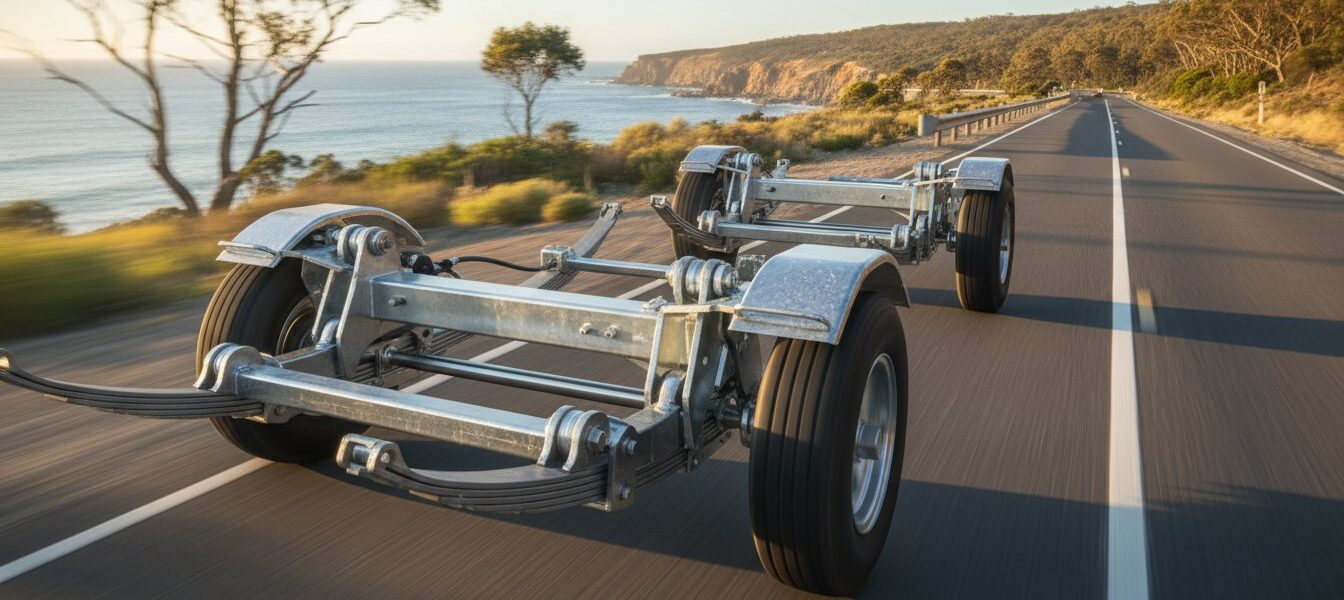
Upgrading a tandem axle setup requires a focus on load sharing. Standard suspension systems often fail to distribute weight evenly when one axle hits a bump or a kerb. This uneven distribution causes instantaneous overloading on the remaining axle and its components. When researching trailer suspension upgrade options for heavy-duty applications, the goal is to ensure the load remains balanced across all tyres. This balance preserves the structural integrity of your axles and prevents premature tyre wear or frame fatigue. A well-designed tandem system reduces the stress on your tow vehicle by providing a more stable and predictable towing experience.
Rocker Roller Suspension Dynamics
The Rocker Roller system is a premier mechanical solution for tandem trailers. It uses a central pivot arm that connects the front and rear leaf springs. When the front wheel rises over an obstacle, the rocker arm pivots to transfer a portion of that upward force to the rear spring. This mechanism keeps both axles engaged with the road surface at all times. It’s the preferred choice for trailers carrying heavy machinery, plant equipment, or livestock where stability is paramount. This independent load sharing prevents the “walking” effect often seen in basic tandem setups. To maintain this system, you must regularly inspect the central rocker arm and replace the central bushes if they show signs of thinning or ovalisation. Lubrication of the greaseable shackle bolts is essential to prevent the pivot points from seizing and to ensure the rockers can move freely under load.
Managing Increased ATM with Component Upgrades
If your upgrade aims to increase the Aggregate Trailer Mass (ATM), every component must be rated for the higher capacity. It’s a common mistake to upgrade springs while leaving light-duty axles or couplings in place. For high-capacity retrofits, moving to 45mm or 50mm square axles provides the necessary shear strength to handle increased vertical loads. These heavier axles offer better resistance to bending compared to standard 39mm round or 40mm square options. You must also ensure that your mounting hardware, including hangers and U-bolts, is reinforced to match the new spring rate. Significant increases to a trailer’s ATM often require a formal inspection and a new compliance plate to remain legal on Australian roads. Always verify that your chosen hardware meets the specific weight ratings required for your intended application. This holistic approach to component selection ensures that your trailer remains safe under maximum load conditions without compromising road performance.
Tailoring Suspension to Trailer Type
A suspension system must match the intended environment of the trailer. A trailer used for weekend tip runs has different mechanical requirements than a rig submerged in saltwater. When you evaluate trailer suspension upgrade options, consider the specific stresses your trailer faces daily. Selecting the wrong hardware for the environment leads to premature failure and increased maintenance costs. Balancing cost and performance requires an honest assessment of how often the trailer is used and the typical terrain it encounters.
Marine and Boat Trailer Requirements
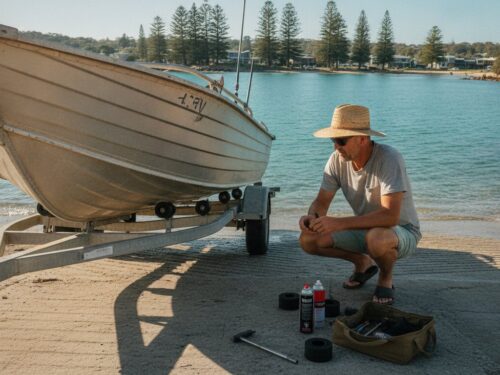
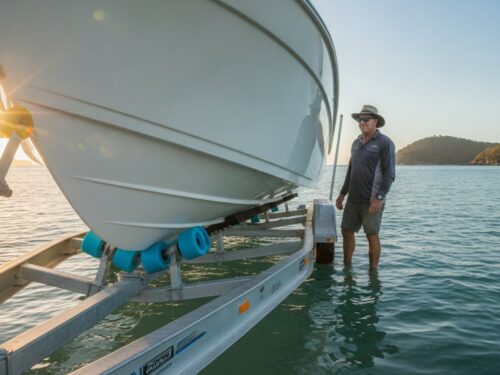
Saltwater is the primary enemy of trailer components. Standard painted or black-steel springs will corrode rapidly in marine environments. You must use galvanised leaf springs to ensure long-term resistance to rust and structural thinning. Multi-leaf configurations are preferred for boat hulls because they provide the progressive support needed as weight shifts during launching and loading. It is practical to pair these upgrades with other high-quality boat trailer parts, such as LED submersible lights and manual winches, to ensure the entire rig is sea-ready. Regular rinsing with fresh water is still necessary, but galvanised hardware provides the essential first line of defense against the harsh coastal elements.
Utility and Trade Trailer Upgrades
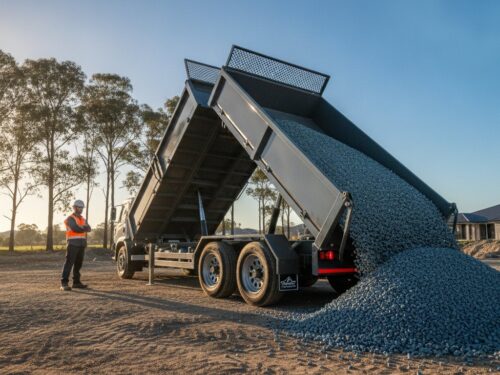
Trade trailers endure constant loading and unloading cycles. For hydraulic tipper trailers, the suspension must handle the high-density weight of aggregate, waste, or soil. You can choose between over-slung and under-slung axle configurations to suit your needs. Over-slung axles sit on top of the springs to provide more ground clearance for rough construction sites. Under-slung axles lower the trailer’s center of gravity for better highway stability. Always use heavy-duty U-bolt kits to secure upgraded leaf packs to the axle. These fasteners prevent the axle from shifting under the high torque generated by heavy loads. If you need to refresh your marine rig, you can view our full range of boat trailer components to find the right fit.
Off-road conversion is another consideration for camper trailers and jet ski trailers. These rigs often travel on unsealed roads where vibration is constant. Upgrading to eye-to-eye springs with greaseable shackles allows for more movement and reduces the risk of components seizing. For jet ski trailers, the combination of saltwater exposure and rough road travel makes a galvanised eye-to-eye setup an ideal choice. These specific trailer suspension upgrade options ensure that your equipment remains functional regardless of the destination. Investing in the correct hardware from the start prevents the frustration of roadside repairs and protects the value of your assets.
Implementing the Upgrade: Hardware and Safety Standards
The physical installation is where your research into trailer suspension upgrade options meets the road. Even the highest-rated leaf springs will fail if secured with substandard fasteners or incorrectly sized hardware. You must treat the suspension as a complete system where every bolt, nut, and bracket works together to maintain structural integrity. Using the correct installation techniques ensures that your trailer remains compliant with Australian Design Rules (ADR) and performs reliably under maximum load. Precision during this stage prevents the axle from shifting, which is a leading cause of trailer “dog-tracking” and accelerated tyre wear.
Selecting Critical Hardware
Fasteners are the most common point of failure in DIY suspension retrofits. You must use high-tensile bolts and nyloc nuts to withstand the constant vibration of road travel. Standard zinc-plated hardware from a general hardware store is often insufficient for the shear forces generated by a heavy trailer. When selecting galvanised U-bolts, match the profile to your axle type. Use round U-bolts for 39mm round axles and square U-bolts for 40mm, 45mm, or 50mm square axles. The U-bolt must fit snugly against the axle tube to prevent movement. Inspect your mounting hangers during the upgrade. If the bolt holes have become ovalised or the metal has thinned from corrosion, replace them immediately. Reusing worn hangers compromises the alignment of your new springs and can lead to catastrophic failure at highway speeds.
Compliance and Final Inspection
Safety compliance is a legal requirement, not a suggestion. Ensure your new setup does not exceed the manufacturer’s original chassis rating. Installing heavy-duty 5 leaf springs on a lightweight frame designed for 750kg can cause the chassis to crack under stress. After the installation, perform a clearance check. There must be sufficient space between the tyre tread and the mudguard when the trailer is at its maximum Aggregate Trailer Mass (ATM). If the suspension is too soft or the hangers are positioned incorrectly, the tyres may rub against the frame during compression.
Follow a strict torque schedule for all fasteners. Re-check the tightness of your U-bolts and shackle bolts after the first 100 kilometres of travel, as components often settle into place. Conduct a final road test to verify tracking and braking performance. The trailer should follow directly behind the tow vehicle without pulling to one side. If you notice any swaying or unusual vibration, re-inspect the axle alignment and ensure the springs are seated correctly in their hangers. Taking these final steps ensures your trailer suspension upgrade options provide the safety and performance improvements you require for long-term durability. If you need specific technical advice on fitment, you can contact our team for expert assistance with your hardware selection.
Optimising Your Trailer for Long-Term Performance
A well-maintained suspension system is the difference between a reliable workhorse and a liability on the highway. You’ve seen that identifying signs of fatigue early and selecting the correct configuration for your specific load are critical steps for safety. Whether you require the simplicity of slipper springs or the load-sharing capabilities of a rocker roller system, matching your hardware to your environment is essential. Choosing high-quality components ensures your rig remains compliant with safety standards and protects your cargo from excessive road vibration. Proactively reviewing your trailer suspension upgrade options allows you to address performance issues before they lead to mechanical failure.
We are a proudly Australian owned and operated specialist. Our components are specifically designed to endure the harsh conditions found across the country. We provide nationwide shipping on all our parts to ensure you get the solutions you need without delay. Browse our full range of Australian-tested trailer suspension and leaf springs to find the right fit for your rig. Investing in durable, high-tensile hardware today keeps your trailer safe and functional for the long haul.
Frequently Asked Questions
Can I upgrade my trailer suspension to carry more weight legally?
You can upgrade components to handle heavier loads, but increasing the legal Aggregate Trailer Mass (ATM) requires professional certification. All hardware, including the coupling and axles, must meet the higher rating. Once the hardware is installed, an authorised person must inspect the trailer and issue a new compliance plate to ensure it remains road legal. Always verify your chassis’s structural limit before increasing the load capacity.
What is the difference between slipper springs and eye-to-eye springs?
Slipper springs use a single fixed eye and a tail that slides through a rear hanger. They have fewer moving parts, making them reliable in dirty or sandy conditions where grit can cause wear. Eye-to-eye springs are secured at both ends with shackle bolts and plates. This design allows for better flex and rebound control, resulting in a smoother ride and better stability during long-distance highway towing.
How often should I replace my trailer leaf springs?
Replacement frequency depends on the load weight and road conditions rather than a specific date. You should inspect your springs every six months for hairline cracks, severe corrosion, or loss of arch. If your trailer sits unevenly or the springs appear flat when unladen, it’s time to replace them. Ignoring these signs can lead to broken leaves and dangerous roadside failures.
Do I need to replace my axle when I upgrade my suspension?
You don’t always need to replace the axle, but it must be rated for the new suspension capacity. If you’re significantly increasing your load, moving to a 45mm or 50mm square axle provides the necessary shear strength. Always verify that your axle’s weight rating matches or exceeds your new trailer suspension upgrade options to ensure all components work together without failing under pressure.
What is a rocker roller suspension system and when do I need one?
A rocker roller system uses a central pivot arm to share the load between front and rear axles on a tandem trailer. You need this setup for heavy-duty applications where weight distribution is critical. It prevents axle overloading when driving over kerbs or uneven terrain. This system provides a more stable towing experience and reduces the stress placed on individual tyres and axles during transit.
Can I install a trailer suspension upgrade myself?
You can install a suspension upgrade yourself if you have the mechanical skills and proper tools. It’s a straightforward process of swapping out springs, hangers, and U-bolts. However, you must use a torque wrench to secure all high-tensile fasteners to the correct specifications. Incorrect installation can lead to axle misalignment, which causes the trailer to pull to one side and scrubs the tyres.
Why are my trailer springs flattening even when the trailer is empty?
Springs that stay flat while empty have lost their tempered tension due to metal fatigue or past overloading. This is a clear sign that the spring steel has reached the end of its functional life. You cannot safely repair flattened springs; they must be replaced with new leaf packs. Continuing to use fatigued springs transfers road shocks directly into the trailer frame and your cargo.
Does a boat trailer need special suspension components?
Boat trailers require galvanised hardware to survive constant exposure to saltwater. Standard painted springs will rust through quickly in marine environments. When considering trailer suspension upgrade options for a boat rig, always select galvanised leaf springs and U-bolts. These components provide the necessary corrosion resistance to ensure your trailer remains structurally sound and safe after multiple boat launches in coastal conditions.