Securing a trailer compliance plate australia is no longer just about riveting a piece of metal to a frame; it is a mandatory process that confirms your vehicle meets rigorous national standards. If the data on this plate doesn’t align perfectly with your axles, springs, and couplings, you risk failing registration inspections or voiding your insurance. Many owners feel frustrated by the shift to the Road Vehicle Standards Act and the digital Register of Approved Vehicles. It’s a common concern, but getting these technical details right is the only way to ensure your equipment stays on the road.
You likely agree that keeping up with shifting regulations is a time-consuming task for any fleet manager or individual owner. This article outlines the mandatory data fields and technical requirements you need to understand to maintain a road-legal status without the guesswork. We’ll examine how to calculate ATM and GTM correctly and explain why your hardware ratings must match your plate. This overview provides the technical clarity needed to ensure your trailer is durable, compliant, and ready for the harshest conditions.
Key Takeaways
- Understand the legal requirements for a trailer compliance plate australia to ensure your vehicle is correctly entered on the Register of Approved Vehicles.
- Identify the mandatory data fields required for road use, including the 17-character VIN and official manufacturer identification.
- Learn the technical differences between ATM, GTM, and Tare weight to accurately calculate your trailer’s payload capacity.
- Discover how to select durable plate materials and mounting methods that withstand harsh regional conditions and heavy-duty use.
- Ensure your physical hardware, such as axles and couplings, matches the technical ratings displayed on your identification plate for full ADR compliance.
Understanding Trailer Compliance Plates in Australia
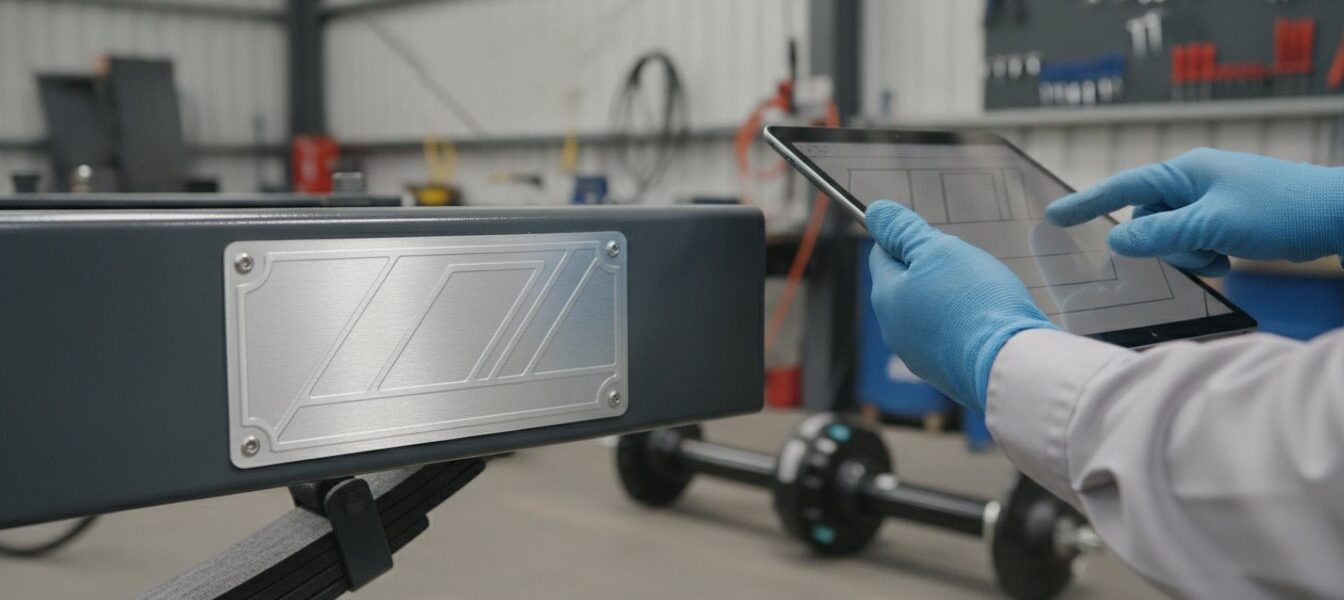
A trailer compliance plate australia is a permanent identification marker fixed to the trailer frame. It acts as a legal certification from the manufacturer that the vehicle meets national safety standards. Without this plate, you can’t register a trailer for road use in any state or territory. It provides a standardized data set that law enforcement and insurance providers use to verify the vehicle’s identity and weight limits. If your trailer lacks a plate or contains incorrect data, you risk heavy fines and the immediate cancellation of your insurance coverage.
The plate is more than a simple label. It’s a technical blueprint. It links physical hardware, such as axles, leaf springs, and couplings, to a legal weight rating. This ensures the trailer is fit for purpose and safe for public roads. While it differs from Australian vehicle registration plates, which identify the registration status, the compliance plate identifies the engineering integrity of the unit itself. It must be made of durable, non-corrosive metal and permanently attached to prevent tampering or loss during transit.
The Legal Framework: ADR and RVSA
Australian Design Rules (ADR) set the national standards for vehicle safety and anti-theft requirements. The transition from the Motor Vehicle Standards Act to the Road Vehicle Standards Act (RVSA) modernized this system. Under the RVSA, all trailers must be entered into the Register of Approved Vehicles (RAV) before registration. This digital shift ensures every trailer on the road meets current safety benchmarks. Non-compliant trailers face registration refusal and significant penalties. Authorities use the RAV to track compliance, making the physical plate a vital link to a digital record.
Who is Responsible for the Compliance Plate?
Commercial manufacturers must provide a plate for every unit they produce. If they manufacture more than four trailers annually, they require a Vehicle Type Approval through the ROVER portal. DIY builders and home-made trailer enthusiasts aren’t exempt. They must still ensure their build meets VSB 1 standards and obtain a valid VIN and compliance plate before hitting the road. Importers also carry the burden of proof. Any trailer brought into Australia must be modified or verified to meet ADRs before it can be legally plated and registered. This ensures every vehicle, regardless of origin, maintains the high safety standards required on Australian roads.
Mandatory Information Required on a Trailer Identification Plate
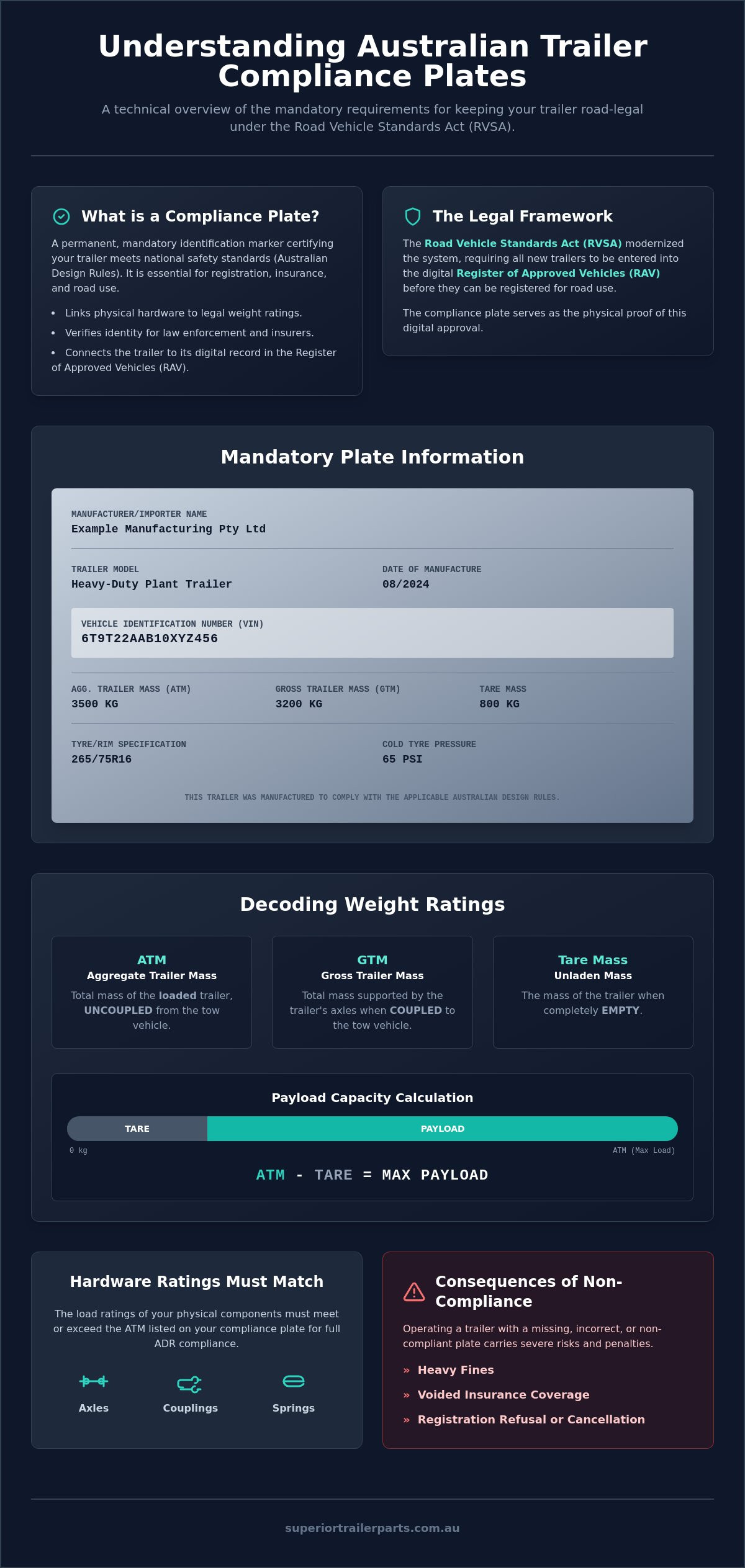
Under the Road Vehicle Standards Act (RVSA), the data displayed on a trailer compliance plate australia must be precise, legible, and durable. You cannot rely on outdated templates that reference the Motor Vehicle Standards Act. The plate must clearly state the manufacturer or importer’s name. This name identifies the entity responsible for the trailer’s design and legal compliance. You also need to include the trailer model and the specific month and year of manufacture. These details provide a clear history for the vehicle and are essential for any future safety recalls or technical assessments.
The plate also serves as a certification statement. It confirms that the trailer was built to meet the relevant Australian Design Rules (ADRs). This is not a suggestion; it is a legal requirement for registration. If any of this information is missing or incorrect, the trailer is effectively unroadworthy. Authorities use these plates to verify that the vehicle on the road matches the digital record in the Register of Approved Vehicles (RAV).
The Vehicle Identification Number (VIN)
The 17-character VIN is the trailer’s unique fingerprint. It is used by registration authorities to track ownership and history. For custom builds or new trailers, you must obtain a VIN through the ROVER portal before the unit can be entered on the RAV. It is vital that the VIN on the plate matches the number engraved directly onto the chassis. Discrepancies between the plate and the frame lead to immediate failure during inspections under QLD transport regulations and other state-based registration schemes. Ensure the engraving is deep enough to remain visible after painting or galvanising.
Tyre and Axle Specifications
Your compliance plate must list the recommended tyre and rim sizes for the vehicle. It also requires the cold inflation pressure for those tyres. These specs ensure the user operates the trailer within safe engineering limits. You must also include a tyre speed rating. This rating must be equal to or higher than the maximum speed the trailer is designed to travel, which is typically 100km/h in Australia. Recording these details correctly prevents tyre failure and improves road handling.
Axle capacity is the final critical field. The plate must specify the load-carrying capacity of each axle or axle group. This technical data must align with the physical components installed on the frame. For example, if your plate states an ATM of 2,000kg, your trailer axles and suspension must be rated to handle that weight. If you are building a new unit or upgrading an old one, always select hardware that matches or exceeds your intended compliance ratings. This ensures the physical build supports the legal claims made on your identification plate.
Decoding Weight Ratings: ATM, GTM, and Axle Capacity
A trailer compliance plate australia is more than a required legal tag. It is a technical summary of your vehicle’s structural capacity. Understanding the weight ratings on this plate is the only way to ensure your trailer remains safe under load. The most critical figure is the Aggregate Trailer Mass (ATM). This represents the total weight of the trailer plus its maximum payload when it is not coupled to a towing vehicle. If you exceed this number, you are operating an unroadworthy vehicle. This leads to mechanical failure and the immediate rejection of insurance claims in the event of an accident.
Gross Trailer Mass (GTM) is the weight transmitted to the ground by the trailer tyres when it is hitched to a vehicle. The difference between ATM and GTM is the weight supported by the tow ball. These figures must be calculated with precision. Over-rating a trailer on its compliance plate to increase payload without upgrading the chassis is a serious violation. It creates a false sense of security while the physical frame and components remain at risk of snapping or bending under stress.
Matching Axles to Your Compliance Plate
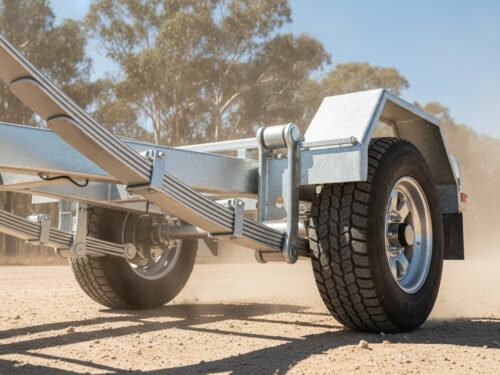
Your hardware must support the ratings listed on your plate. There is no room for guesswork here. If your plate states an ATM of 1450kg, your suspension and axle system must meet or exceed that rating. For example, many single-axle builds utilize 45mm square axles to achieve a 1450kg rating when paired with Slimline bearings. If you move to a tandem axle setup, you must account for load-sharing suspension data. This ensures the weight is distributed evenly across both axles, preventing one from carrying the entire load during a bump or turn.
The Importance of Tare Weight Accuracy
Tare weight is the mass of your trailer when it is completely empty. You must weigh the trailer at a certified weighbridge before you finalize the data for your compliance plate. Your legal payload is the ATM minus the Tare weight. If you add heavy toolboxes, winches, or cages after the initial build, your Tare weight increases. This directly reduces your legal payload capacity. For those looking for more information on how build quality affects these ratings, check our heavy duty single axle box trailers section for engineering insights. Always ensure your physical build matches the technical data on your plate to maintain long-term durability.
Selecting and Mounting Your Trailer Compliance Plate
A trailer compliance plate australia must survive the same harsh conditions as the chassis it is attached to. If the plate becomes unreadable due to corrosion or physical damage, the trailer loses its legal identity. Selecting the right material is the first step in ensuring long-term compliance. Aluminium is the most common choice for standard box trailers. It is lightweight, cost-effective, and resists rust. However, if you are building or maintaining a boat trailer, salt-water exposure will quickly degrade standard aluminium. In these cases, 316-grade stainless steel is the professional choice. It provides the highest level of corrosion resistance available for boat trailer parts and coastal applications.
Readability is just as important as the material itself. Laser-engraved plates offer high contrast and are easy for registration authorities to scan. Stamped plates provide a physical indent that remains legible even if the plate is accidentally painted over. Regardless of the method, the text must be clear and permanent. Avoid printed stickers or plastic labels. These will fail under the intense Australian sun and lead to registration rejection during your next inspection. The plate is a permanent record of the vehicle’s engineering; treat its selection with the same priority as your primary structural components.
Material Selection for Longevity
UV resistance is a critical factor for any Australian trailer. The high UV index can bleach printed information within months. Metal plates are the only reliable solution for long-term use. While brass is sometimes used for heavy industrial equipment, aluminium and stainless steel remain the standards for the transport sector. If your trailer frequently travels on gravel roads, choose a plate with deep engraving or stamping. This prevents road debris from sandblasting the information off the surface. For coastal or marine applications, always specify 316-grade stainless steel to avoid the pitting and oxidation common with lesser metals.
Installation Best Practices
The Australian Design Rules (ADRs) are specific about how a plate must be attached. It must be “permanently fixed.” This means you must use stainless steel pop rivets or weld the plate directly to the frame. Using self-tapping screws or adhesive is a legal violation. These methods allow for easy removal, which authorities view as a security risk. Mount the plate on a visible part of the drawbar or on the main chassis rail near the front nearside. This location allows for quick identification during roadside checks or registration renewals.
Positioning also affects the plate’s lifespan. Do not mount the plate on the underside of a rail where it is exposed to constant stone peening. Place it on a vertical surface that offers some protection from the elements. If you are refurbishing an older unit and need to replace worn components, ensure your new hardware matches the ratings you are about to engrave. If you have questions about matching your hardware to your compliance needs, contact our technical team for expert advice on your specific build.
Ensuring Compliance Through Quality Hardware
A trailer compliance plate australia acts as a legal guarantee that your vehicle is safe for public roads. However, this guarantee is only as strong as the physical components used in the build. If you install a plate rated for 2,000kg but use an axle rated for 1,500kg, the plate is effectively fraudulent. Compliance requires a perfect match between technical data and mechanical reality. Sourcing high-quality, ADR-compliant hardware is the only way to ensure your trailer remains road-legal and safe under heavy loads. Every component, from the U-bolts to the tail lights, must be fit for the intended ATM and GTM ratings.
Maintenance is a critical part of staying within your legal rated limits. Over time, salt, road debris, and heavy use can degrade the integrity of your hardware. If a leaf spring snaps or a coupling becomes loose, your trailer no longer meets the safety standards certified on its identification plate. You have a responsibility to keep the vehicle in a condition that reflects its original compliance data. Replacing worn parts with correctly rated alternatives is the only way to avoid registration refusal and potential liability in the event of an accident.
Selecting Compliant Components
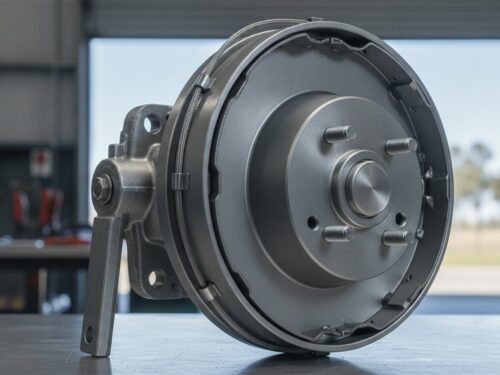
Every part of your trailer has a specific load limit that must be respected. The coupling is a primary point of failure if incorrectly rated for the load. You must select ADR-approved couplings that meet or exceed your Aggregate Trailer Mass (ATM). For trailers with an ATM over 750kg, braking systems become a mandatory requirement for compliance. This includes 9-inch mechanical drum brakes or hydraulic disc brake kits. Regular inspections of your essential trailer parts prevent wear from lowering your trailer’s actual safe operating capacity. Consider these technical factors when selecting parts:
- Axle thickness: 45mm or 50mm square axles are standard for heavy-duty builds.
- Spring capacity: Ensure leaf springs are rated for the total loaded weight.
- Braking efficiency: Brakes must be adjusted to handle the GTM specified on the plate.
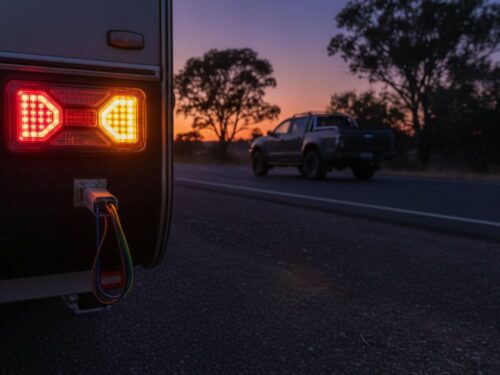
- Lighting: LED submersible tail lights must meet visibility standards for road use.
Superior Trailer Parts Support
We understand the technical challenges of the Road Vehicle Standards Act and the ROVER system. Our team provides the heavy-duty hardware needed to meet these strict Australian standards. We stock everything from galvanised U-bolts to rocker roller spring sets, ensuring every component on your trailer is built for durability and resilience. We offer national shipping for all essential compliance hardware, making it easy for fleet managers and DIY builders to access professional-grade parts quickly.
If you are unsure about axle ratings or spring capacities for your specific build, contact our team for direct technical advice. We help you match your hardware to your plate ratings so you stay compliant and safe on the road. Our focus is on providing results-oriented solutions that withstand the harsh conditions of the Australian transport sector. By choosing correctly matched parts, you ensure your trailer remains a reliable asset for years to come.
Maintain Road Legality with Compliant Engineering
A road-legal trailer requires a perfect alignment between its physical build and its legal documentation. You must ensure your trailer compliance plate australia reflects the true engineering capacity of your axles, springs, and couplings. Under the Road Vehicle Standards Act, any discrepancy between your identification plate and the Register of Approved Vehicles can lead to registration refusal or voided insurance. Selecting durable, non-corrosive materials and using permanent mounting methods ensures your vehicle’s identity remains intact throughout its working life.
Browse ADR-Compliant Trailer Parts and Hardware
Building a compliant trailer is a straightforward process when you have the right data and the right parts. Take the time to verify your ratings and secure your vehicle’s future on Australian roads.
Frequently Asked Questions
Do I need a compliance plate for a trailer under 750kg ATM?
Yes. Every trailer used on Australian roads must have a compliance plate regardless of its weight or size. While trailers under 750kg ATM don’t require brakes, they still need a permanent identification marker. This plate confirms the vehicle meets the safety standards outlined in VSB 1 and allows state authorities to process the registration correctly.
Where can I get a VIN for my home-made trailer in Australia?
You must apply for a Vehicle Identification Number through the ROVER online portal managed by the Department of Infrastructure. This system is the central regulator for all road vehicles in Australia. Once you receive your 17-character VIN, you must engrave it onto the chassis and include it on your identification plate before the trailer is entered into the Register of Approved Vehicles.
What happens if my trailer compliance plate is missing or unreadable?
A missing or unreadable trailer compliance plate australia makes the vehicle unroadworthy and legally unidentifiable. You won’t pass a registration inspection or be able to sell the trailer. You must contact the original manufacturer for a replacement plate. If the manufacturer no longer exists, you’ll need to provide proof of the trailer’s original specifications to your state transport authority to have a new identity issued.
Can I change the ATM rating on my trailer compliance plate later?
You can only change the ATM rating if the trailer undergoes a formal engineering modification and certification process. Simply stamping a higher number on the plate is illegal and dangerous. An engineer must verify that the chassis, axles, brakes, and couplings can handle the increased load. Once certified, a new plate reflecting the updated technical data must be permanently fixed to the frame.
Is a sticker acceptable as a trailer compliance plate?
No. Adhesive stickers are not acceptable for a trailer compliance plate australia because they don’t meet durability requirements. The Australian Design Rules specify that the plate must be made of a durable, non-corrosive metal like aluminium or stainless steel. It must also be “permanently fixed” using rivets or welding to ensure the information remains legible for the life of the trailer.
Does a boat trailer require different information on its compliance plate?
The mandatory data fields for a boat trailer are identical to those of a standard box trailer. You must include the manufacturer’s name, VIN, ATM, GTM, Tare mass, and tyre specifications. While the information doesn’t change, the plate’s material should be 316-grade stainless steel. This prevents the salt-water corrosion that typically destroys standard aluminium plates in marine environments.
How do I calculate the GTM for my identification plate?
Calculate the Gross Trailer Mass (GTM) by subtracting the tow ball weight from the Aggregate Trailer Mass (ATM). The GTM represents the weight transmitted to the ground through the trailer’s tyres when it is hitched to a towing vehicle. For example, if your ATM is 2,000kg and your ball weight is 200kg, your GTM is 1,800kg. Both figures must appear on the plate.
What are the penalties for towing a trailer without a compliance plate?
Towing a trailer without a plate can result in heavy fines, defect notices, and the immediate cancellation of your insurance. Police have the authority to ground the vehicle at the roadside if its identity or weight ratings can’t be verified. Beyond the fines, you face significant liability if an accident occurs and your trailer is found to be uncertified or operating outside its legal limits.