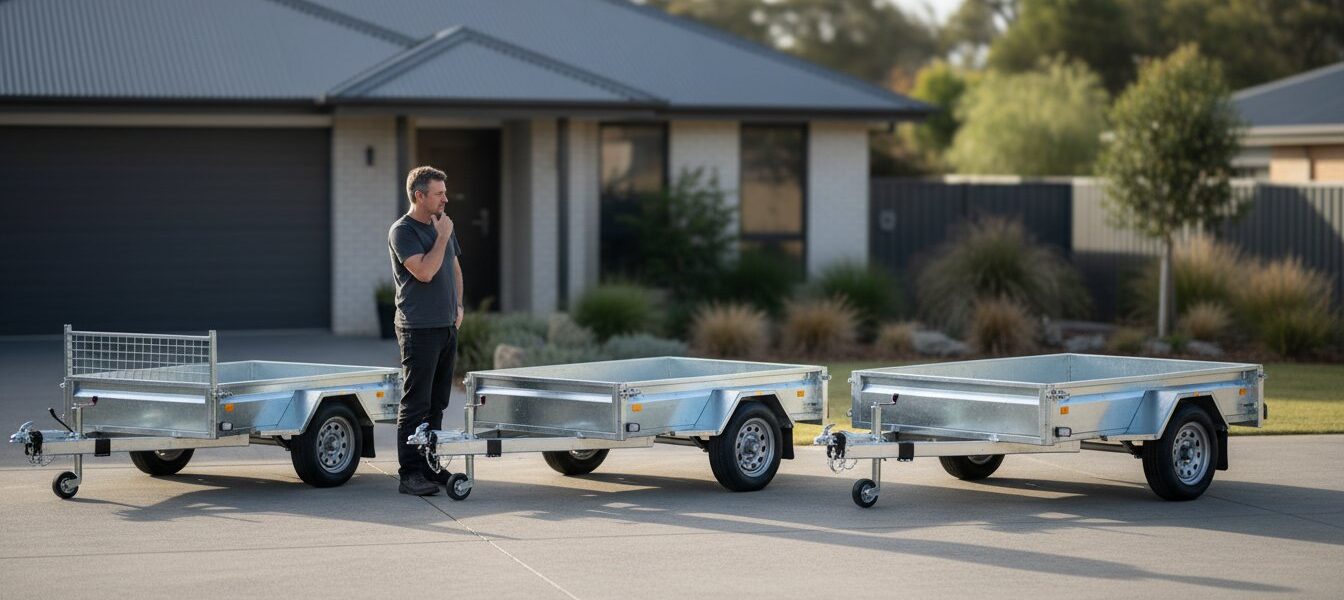
Most people choose a box trailer based on how much gear they can fit inside, but that is the wrong way to start your search. If you are asking what size box trailer do i need, you must evaluate your vehicle’s tow rating before looking at floor dimensions. It’s common to feel frustrated by technical specs or worry about buying a trailer that your car cannot legally pull. You need a setup that handles safely without risking a fine or a mechanical breakdown.
This selection guide shows you how to match trailer dimensions, weight ratings, and axle configurations to your specific towing needs and vehicle capacity. We will define the critical difference between Tare weight and Aggregate Trailer Mass (ATM). You will also learn when a 7×4 single axle is sufficient and when your load requires the stability of an 8×5 tandem axle with electric drum brakes. This practical breakdown ensures you invest in a trailer that is both legal and fit for purpose.
Key Takeaways
- Identify the standard dimensions for 6×4, 7×4, and 8×5 trailers to determine the best fit for your storage and transport volume.
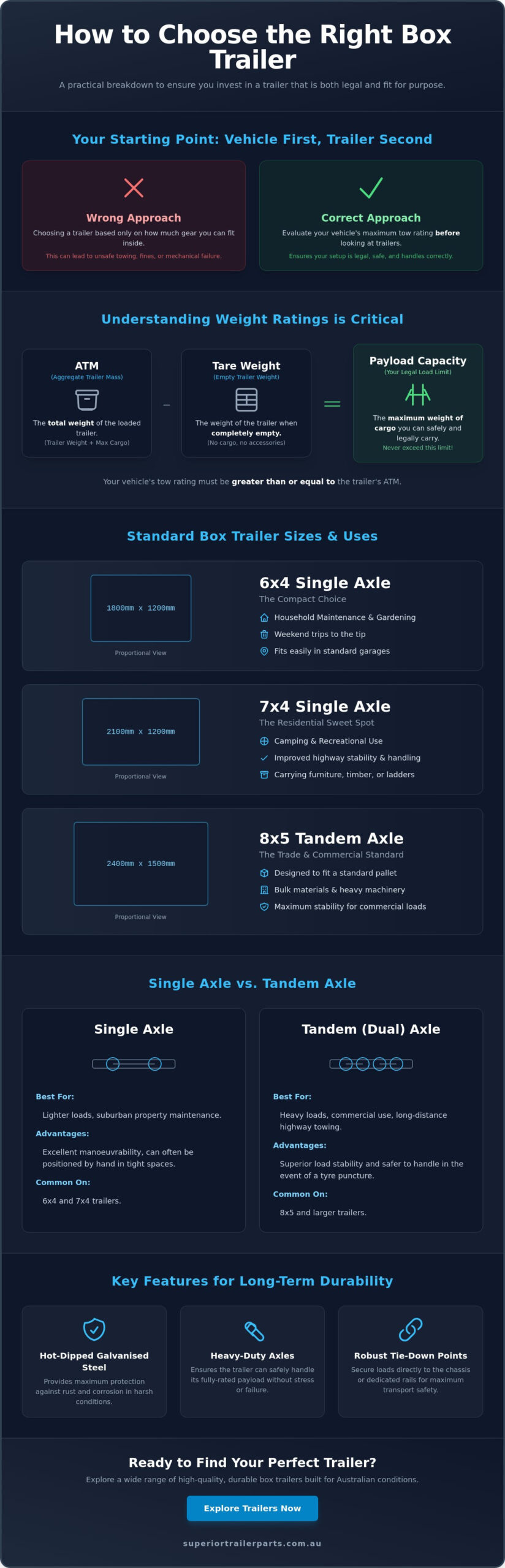
- Determine what size box trailer do i need by comparing your vehicle’s maximum tow rating against the trailer’s Aggregate Trailer Mass (ATM).
- Calculate your actual payload capacity by subtracting the Tare weight from the ATM to avoid overloading your axles or frame.
- Evaluate the benefits of tandem axles over single axles for improved load stability and the ability to move the trailer safely in the event of a puncture.
- Select high-quality components like hot-dipped galvanised steel and heavy-duty axles to ensure long-term durability in harsh conditions.
Standard Box Trailer Sizes and Dimensions Explained
Selecting the right dimensions is the first step in solving the problem of what size box trailer do i need. Most manufacturers and retailers list trailers using imperial feet, such as 6×4, 7×4, or 8×5. These numbers refer to the length and width of the trailer box. However, state registration authorities require all technical specifications in millimetres. A standard 6×4 trailer translates to approximately 1800mm by 1200mm. You must check these conversions carefully when measuring your available storage space or cargo requirements.
You must distinguish between internal box dimensions and the overall trailer footprint. Internal dimensions tell you exactly what will fit inside the steel walls. The overall footprint includes the drawbar, which usually adds another 1.2 to 1.5 metres to the length, and the wheel arches that sit outside the box. Understanding these common trailer types and sizes ensures you don’t buy a unit that is too small for your equipment or too wide for your side gate. Side heights also play a critical role in utility. Standard sides are typically 300mm high. If you plan to haul loose items like green waste or camping gear, high sides at 450mm or 600mm are better choices. Higher sides increase volume without changing the trailer’s footprint, though they do add to the base weight of the unit.
The 6×4 and 7×4 Single Axle Range
Single axle trailers are the primary choice for suburban property maintenance and light hauling. The 6×4 is the most compact option. It fits easily into standard garages and is light enough for small SUVs to tow. Many owners find the 7×4 to be the “sweet spot” for residential use. It provides extra length for carrying timber, ladders, or furniture while remaining narrow enough for easy lane changes. These heavy duty single axle box trailers offer excellent manoeuvrability. You can often unhitch them and position them by hand in tight driveways where a vehicle cannot turn around.
The 8×5 and Larger Tandem Axle Configurations
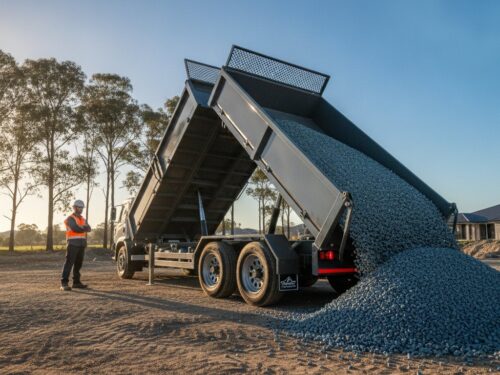
The 8×5 configuration is the industry standard for trade and commercial applications. This size is specifically designed to fit a standard Australian pallet between the wheel arches. The wider wheel track on an 8×5 provides better towing visibility in your side mirrors and increased stability on the highway. For those moving heavy machinery or bulk building materials, welded galvanised tandem trailers are necessary. When you move into 10×5 dimensions or larger, the trailers are usually built as hydraulic tipper trailers. These larger units require significant vehicle towing capacity and are built for maximum payload efficiency.
Choosing a Trailer Based on Primary Use Cases
Household Maintenance and Gardening
A 6×4 single axle trailer is the standard for suburban properties. When equipped with a 600mm cage, it handles weekend trips to the tip or mulch pick-ups with ease. If you own a ride-on mower, check the deck width first. Most standard residential mowers fit inside a 4-foot wide trailer, but professional zero-turn models often require a 5-foot width. These smaller trailers are easy to clean and take up minimal space in a standard driveway.
Camping and Recreational Use
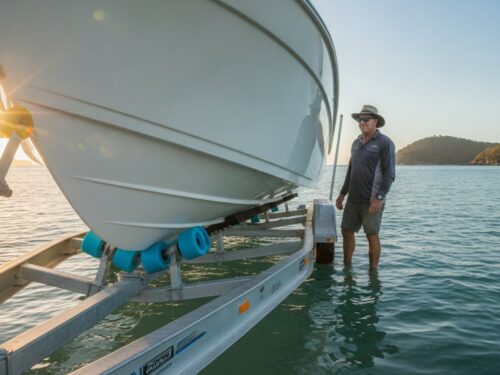
For long-distance highway towing, a 7×4 trailer provides a significant upgrade in stability over the 6×4. The extra length allows you to pack tents, gazebos, and plastic crates without stacking them dangerously high. It tracks better behind larger SUVs and handles crosswinds with less sway. If your recreation involves watercraft, you may need specialized equipment like jet ski trailers instead of a standard box configuration to ensure safe transport and easy ramp launching.
Trade and Commercial Applications
Professional trades require specific dimensions to remain efficient. Standard plasterboard and plywood sheets measure 2400mm by 1200mm. An 8×5 trailer provides the necessary 2.4-metre internal length to carry these materials flat, preventing edge damage. For hauling bulk timber or heavy machinery, heavy-duty tandem trailers are the industry standard. They offer the weight capacity and structural integrity needed for daily commercial use. If you are building a custom setup for work, sourcing heavy-duty trailer parts ensures your equipment stands up to the rigours of the job site.
Weight Ratings and Towing Capacity Constraints
Physical dimensions are only one part of the equation. To answer what size box trailer do i need, you must understand the legal weight limits that apply to your vehicle and the trailer itself. Every trailer has a compliance plate listing two critical figures: Tare weight and Aggregate Trailer Mass (ATM). Tare weight is the mass of the trailer when it is completely empty. ATM is the total weight of the trailer plus its maximum load as specified by the manufacturer. Subtracting the Tare from the ATM gives you your actual payload capacity. If you ignore these numbers, you risk damaging your vehicle’s transmission or facing heavy fines from road authorities.
Matching your trailer to your vehicle’s towing capacity is non-negotiable. When asking what size box trailer do i need, always consult your vehicle’s handbook first. You must not exceed the braked or unbraked tow rating of your car, regardless of the trailer’s potential capacity. Even if a trailer is physically large enough to carry your gear, your car might not be legally allowed to pull it when fully loaded. Safety on the road depends on this mechanical balance between the puller and the load.
The 750kg ATM Threshold
Most standard 6×4 and 7×4 single axle trailers are built to a 750kg ATM limit. This is the maximum weight allowed for a trailer without its own braking system in Australia. While these sizes are popular for general utility, their payload capacity is often lower than people realize. For example, a heavy-duty steel trailer might have a Tare weight of 250kg, leaving only 500kg for your cargo. This limit is reached quickly when hauling dense materials like wet soil, gravel, or bricks. If you regularly transport these materials, a larger unbraked trailer will likely prove insufficient and unsafe.
Scaling Up to 2000kg and Beyond
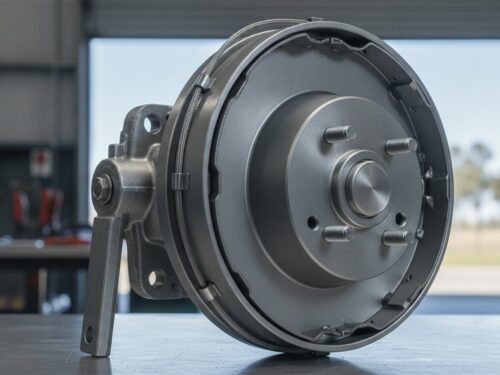
When your requirements exceed the 750kg mark, you must transition to trailers with dedicated braking systems. This usually involves moving from a single axle to a tandem axle configuration to distribute the weight effectively. High-capacity trailers rated for 2000kg or 3500kg require heavy-duty components to maintain structural integrity. Using 45mm or 50mm square axles provides the necessary strength to support these higher ratings. These systems ensure that the trailer can stop safely under load, preventing the “push” effect that can cause jackknifing during emergency braking maneuvers.
Single Axle vs Tandem Axle Selection
Axle configuration is just as important as the physical box dimensions. When you ask what size box trailer do i need, the answer often depends on how far you travel and the terrain you cover. Single axle trailers use one set of wheels, making them lighter and more reactive. Tandem axle trailers use two sets, which provides a significant boost in towing stability. The extra set of wheels helps dampen the “pitching” effect where the trailer bounces and tugs at the vehicle’s rear. Tandem trailers track straighter on the highway, though they do scrub their tyres more during tight turns on bitumen or concrete.
Tandem trailers offer a critical safety advantage known as limp home capability. If you suffer a puncture on a highway, the second tyre on that side can often support the load long enough for you to reach a safe stopping point. On a single axle trailer, a blowout usually results in an immediate loss of control or rim damage. However, this extra security comes with higher maintenance requirements. You have twice as many tyres to replace and twice as many bearings to service. If the trailer is braked, you also have four sets of shoes or pads to monitor. Fuel consumption also increases slightly due to the added weight and rolling resistance of four tyres on the road.
Benefits of Single Axle Trailers
Single axle trailers are the most economical choice for residential users. They feature lower initial purchase costs and reduced annual registration fees in most Australian states. Their biggest advantage is manoeuvrability in tight spaces. You can unhook single axle box trailers and pivot them by hand in a standard garage or driveway. This setup is perfectly adequate for standard loads up to a 7×5 size. It remains the best option for those who only tow occasionally and need a trailer that is easy to store and move.
When Tandem Axles are Necessary
You must choose a tandem axle if your payload consistently exceeds 1000kg or if you are asking what size box trailer do i need for commercial work. The dual axle setup distributes weight across a larger surface area, preventing the trailer from swaying at high speeds. This configuration is essential for hydraulic tipper trailers that carry heavy loads of aggregate or machinery. The extra stability ensures the load stays level even when the ground is uneven. For those building or maintaining their own heavy-duty setup, sourcing durable trailer components ensures your tandem system remains reliable under constant pressure.
Ensuring Durability with the Right Trailer Components
The physical size of the box is only half the story. While asking what size box trailer do i need helps you determine the volume of your cargo, the hardware underneath determines the actual weight limit. A large frame is useless if the axles and suspension cannot support the load. For trailers operating in harsh Australian conditions, hot-dipped galvanised steel is the industry standard. This coating provides a thick layer of zinc that protects the chassis from rust and corrosion, ensuring the structure remains sound for years. Painted trailers might look good on the showroom floor, but they don’t offer the same resilience against stone chips and moisture.
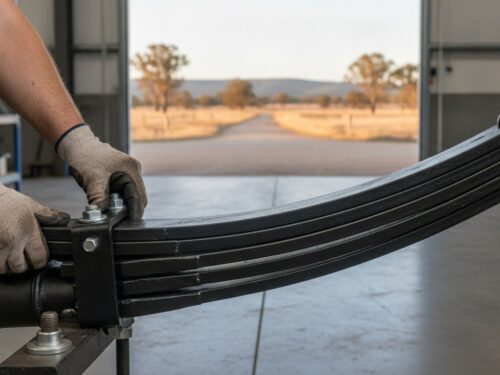
You must match your hardware to your intended use. High-quality couplings and parts are the only thing keeping your trailer attached to your vehicle. If these fail, the results are catastrophic. Selecting the right leaf springs ensures the trailer handles correctly when loaded to its maximum capacity. Don’t settle for lightweight components if you plan on hauling heavy building materials or machinery.
Axle and Suspension Choice
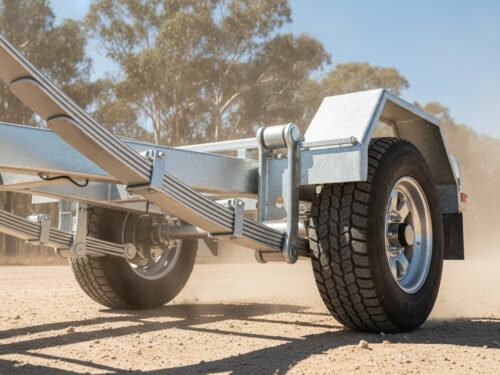
Axle thickness directly impacts the trailer’s Aggregate Trailer Mass (ATM). 39mm round axles are typically used for light-duty residential trailers. If you plan on serious work or commercial hauling, 45mm or 50mm square axles are necessary. These provide greater surface area for the springs to seat and handle heavier vertical loads without bending. You also need to choose between suspension types. 4 leaf slipper springs are common for standard utility trailers because they are cost-effective and simple. However, 5 leaf eye-to-eye springs or rocker roller sets offer better load damping and a smoother ride on rough roads. For more detail on build quality, you should look for heavy duty single axle box trailers that use reinforced frames and thicker steel plate.
Safety and Compliance Hardware
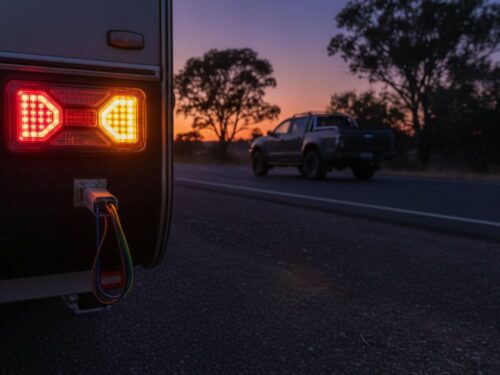
The smallest components often play the biggest role in safety. Galvanised U-bolts are essential for securing the axle to the leaf springs. If these bolts corrode or loosen, the axle can shift, leading to a loss of control. Electrical reliability is another major concern. Use high-quality LED submersible tail lights and ensure your wiring is secure. This ensures your indicators and brake lights function correctly every time you hitch up. Your final check when deciding what size box trailer do i need is ensuring the unit meets Australian Design Rules (ADR). This compliance ensures the trailer is legally fit for use on public roads and meets national safety standards.
Finalising Your Trailer Selection
Selecting the right trailer requires more than just measuring the steel box. You must balance physical dimensions with your vehicle’s legal tow rating and the mechanical strength of the axles. Whether you choose a 6×4 for home maintenance or an 8×5 tandem for commercial trade, ensure the ATM and Tare weights align with your intended payload. Taking this approach helps you answer what size box trailer do i need while maintaining safety and compliance on the road.
We are Australian-owned and operated since 2014, providing high-quality hardware designed to meet Australian Design Rules (ADR). Our team offers nationwide shipping on all trailer parts to keep your equipment moving safely across the country. Don’t settle for a setup that doesn’t meet the rigours of the job. Browse our range of heavy-duty box trailers and components to find a durable solution for your specific requirements. You can now move forward with confidence knowing your trailer is fit for the task.
Frequently Asked Questions
What is the most common box trailer size in Australia?
The 6×4 single axle is the most common box trailer size found on Australian suburban properties. It provides enough volume for standard gardening tasks and tip runs without requiring a large storage footprint in your garage or driveway. Most entry-level vehicles and small SUVs can tow this size safely when it is unbraked, making it the standard choice for occasional residential use.
Can I tow an 8×5 tandem trailer with a standard SUV?
Towing an 8×5 tandem trailer with an SUV depends entirely on the vehicle’s braked towing capacity. You must check your owner’s manual to ensure the vehicle is rated for the trailer’s Aggregate Trailer Mass (ATM). While many medium SUVs can handle a 2000kg load, larger 4WDs are better suited for heavier commercial applications. Always verify the hitch rating on the tow bar compliance plate before attempting to pull a tandem setup.
How wide is a standard 6×4 box trailer including the wheels?
A standard 6×4 box trailer typically measures between 1700mm and 1850mm in total width. While the internal box is 1200mm wide, the external wheel arches and tyres add significant width to the overall footprint. Always measure your gate or driveway clearance based on the tyre-to-tyre distance rather than just the box size. This ensures you have enough room to manoeuvre the trailer without hitting obstacles or scratching the arches.
What happens if I overload a single axle box trailer?
Overloading a single axle trailer causes mechanical failure and compromises road safety. Excessive weight can bend the 39mm or 40mm axle, overheat the bearings, or cause an immediate tyre blowout. It also increases the stopping distance of your vehicle and makes the trailer prone to swaying. This is a major safety risk when asking what size box trailer do i need, as it puts your vehicle’s transmission under extreme stress.
Do I need brakes on a 7×4 box trailer?
Brakes are mandatory for any trailer with an Aggregate Trailer Mass (ATM) over 750kg in Australia. Most 7×4 trailers are sold as unbraked units with a 750kg limit to avoid the extra cost and maintenance of a braking system. If you upgrade to a heavy-duty 7×4 with a higher weight rating, you must install a mechanical or electric braking system to remain compliant with Australian Design Rules and ensure safe stopping.
Is a galvanised trailer better than a painted one for rust prevention?
Hot-dipped galvanised trailers offer superior rust protection compared to painted alternatives. The galvanising process coats the steel inside and out, creating a durable zinc barrier against moisture and salt. Painted trailers often succumb to corrosion quickly once the paint surface is chipped by stones or gravel during transport. For long-term durability in harsh conditions, galvanised steel is the professional choice for resisting structural decay.
What is the difference between Tare weight and ATM?
Tare weight is the mass of the trailer when it is empty, while ATM is the maximum allowable weight of the trailer and its load combined. Subtracting the Tare from the ATM tells you the maximum payload you can legally carry. Understanding this balance is essential when determining what size box trailer do i need for heavy materials like sand or bricks, as the payload capacity varies based on the trailer’s build weight.
How do I know if my car’s tow bar is rated for the trailer size I want?
You can find your tow bar’s rating on the compliance plate usually located near the hitch. This plate specifies the maximum towing capacity and the maximum vertical ball weight allowed for that specific hardware. Never exceed these limits, even if the trailer itself is rated for a higher weight. Matching your tow bar capacity to the trailer’s ATM is a critical step in ensuring your vehicle remains legal and safe on the road.